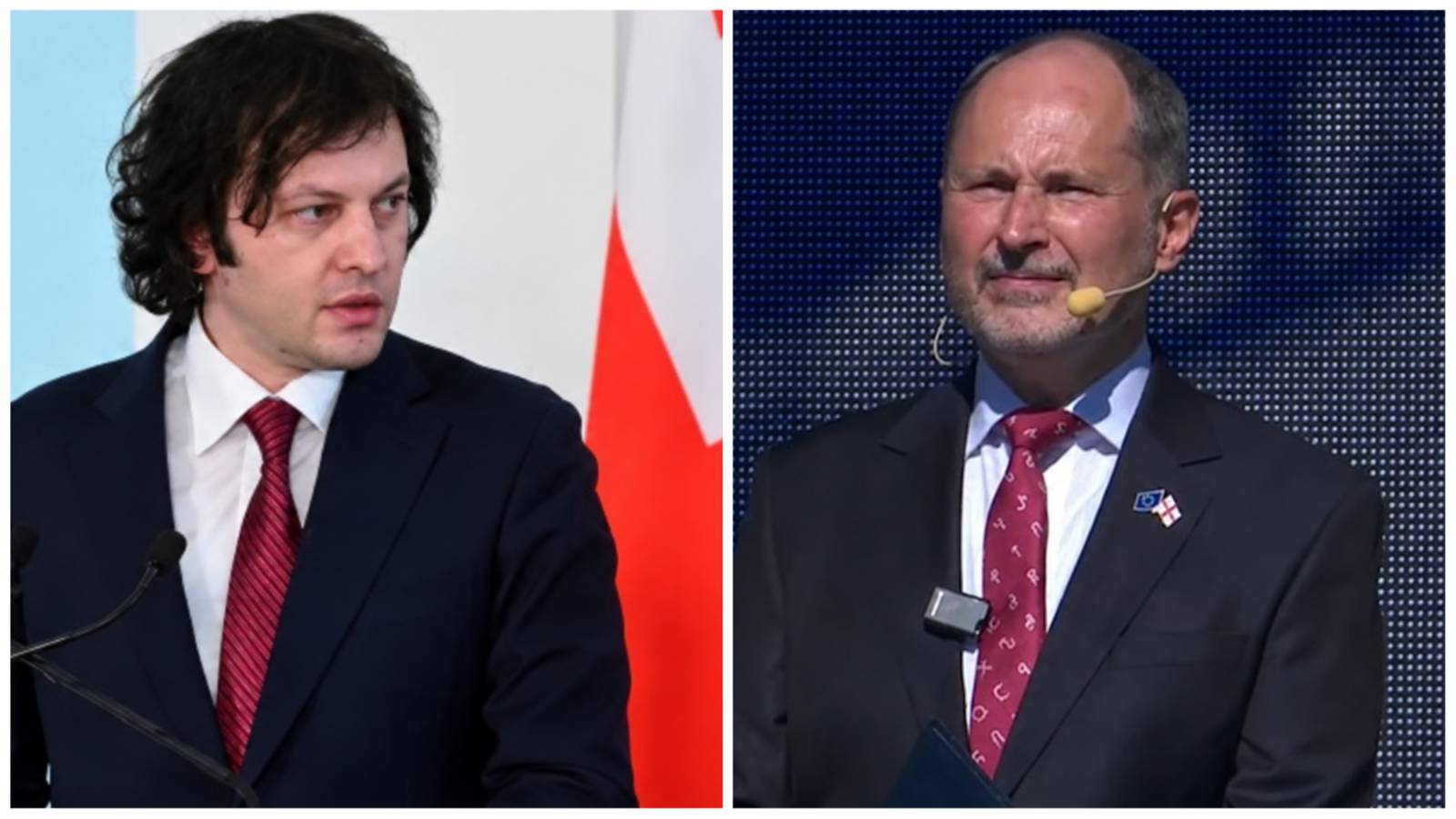
In response to criticism from EU Ambassador Paweł Herczyński, Georgian Prime Minister Irakli Kobakhidze accused the European bureaucracy of supporting the radical opposition and asserted that the Georgian authorities have a better understanding of the principles of democracy and human rights. Herczyński had previously reported a deterioration in the country's situation, attributing it to government actions and anti-European rhetoric.
Armenian-Georgian relations have been jeopardized by the Euronest resolution, which expressed concern about the state of democracy in Georgia. Armenian parliamentarians who supported the resolution faced harsh criticism from Tbilisi.
Georgian Parliament Vice Speaker Nino Tsilosani stated that there is a contradiction between the position of Armenian MPs and the official policy of the country's Prime Minister, who had previously visited Georgia. The politician called the resolution "meaningless" and aimed at harming Georgia.
"The Armenian Prime Minister officially visited Georgia and met with the legally elected government. By supporting a resolution that speaks of the illegitimacy of the Georgian authorities, they [the MPs] are contradicting the position of their own Prime Minister. These arguments clearly demonstrate how meaningless this resolution is, its purpose being to harm Georgia," Tsilosani emphasized.
Earlier, Georgian Parliament Speaker Shalva Papuashvili announced that the country's permanent delegation would no longer participate in Euronest sessions. He claimed that the European Parliament had turned Euronest into a tool for blackmail and the imposition of a narrow political agenda on neighboring countries.