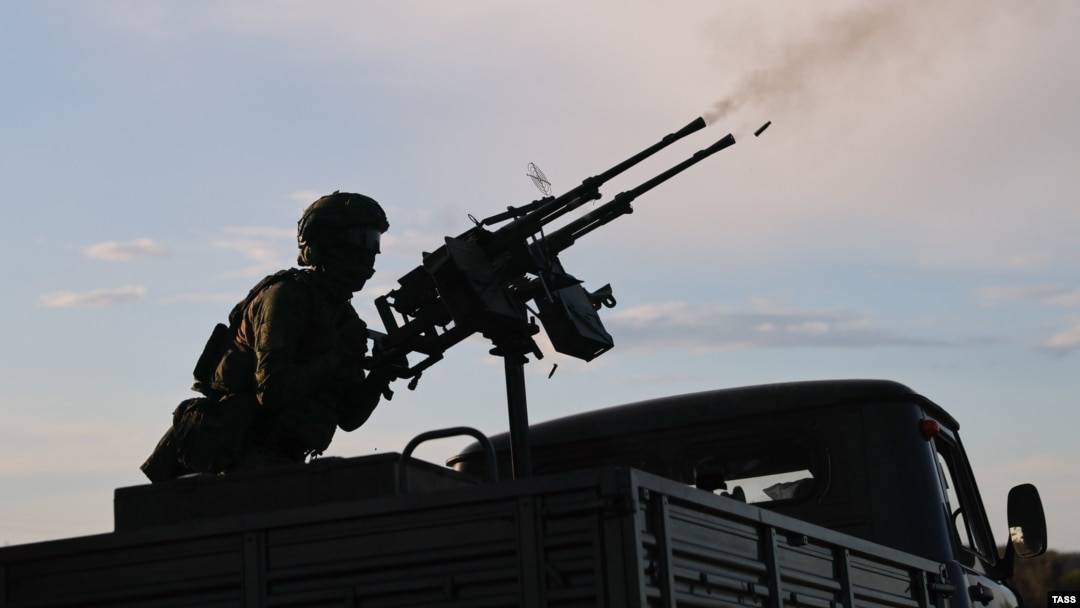
Eight years ago, the five-day war between Russia and Georgia began
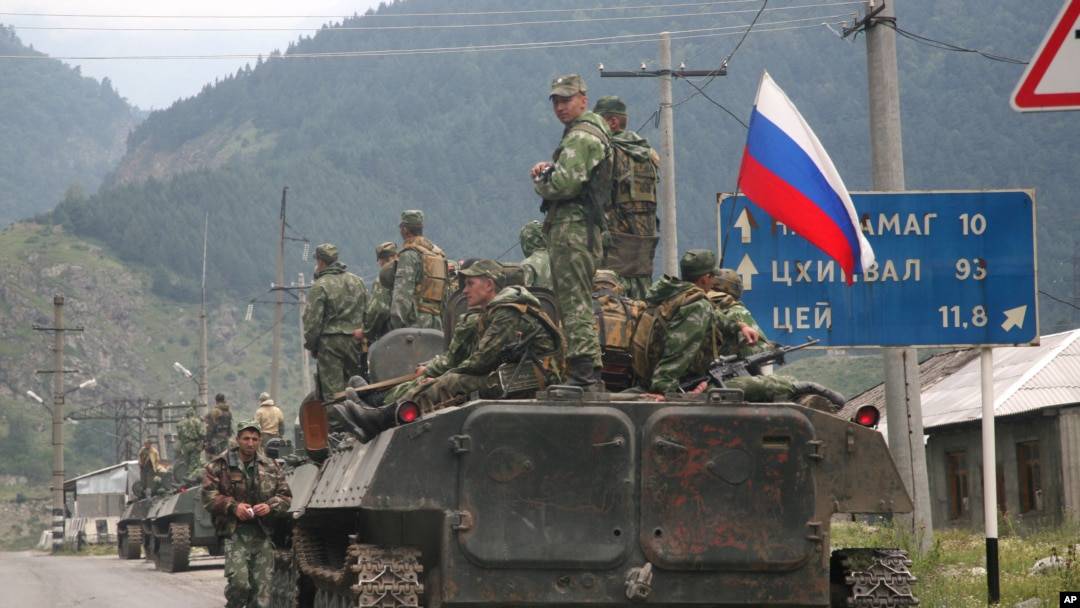
Today marks 18 years since the start of the armed conflict between Russia and Georgia, known as the Five-Day War. It was on this day that Russia invaded Georgian territory, marking the beginning of hostilities between the two countries.
Intense fighting began in August 2008 and ended a few days later, but the consequences of the conflict are still being felt.
According to official Georgian data, 228 civilians, 170 military personnel, and 14 police officers were killed during the fighting. Approximately 150,000 people were forced to flee their homes, some of whom were never able to return.
The events of August 2008 became the subject of litigation in international courts. In 2021, the Grand Chamber of the European Court of Human Rights, in the case of Georgia v. Russia, concluded that after the end of the active phase of hostilities, Russia effectively controlled Abkhazia and South Ossetia. The Court also found Moscow responsible for a number of violations of the European Convention on Human Rights, including unlawful killings, torture, cruel treatment, and violations of the rights of civilians.
Russia disagreed with the ECHR's findings and repeatedly stated that its actions in August 2008 were aimed at protecting the residents of South Ossetia and Russian peacekeepers after the outbreak of hostilities in the region. Georgia, for its part, considers Russia a party to the conflict and holds it responsible for the consequences of the war.
The status of Abkhazia and South Ossetia remains a key issue in relations between Tbilisi and Moscow. Georgian authorities continue to claim that Russia is taking steps to strengthen its presence in both regions. Specifically, in May of this year, Moscow and the South Ossetian authorities signed the "Treaty on Deepening Allied Cooperation." Tbilisi called the document a violation of international law and yet another attempt to strengthen Russia's control over the region and hasten its de facto annexation.
At the same time, changes continue in the international arena. In July, the Pacific nation of Nauru severed diplomatic relations with Abkhazia and South Ossetia, effectively renouncing their independence. As a result, Nauru became the third country, after Tuvalu and Vanuatu, to withdraw its recognition. In addition to Russia, Venezuela, Nicaragua, and Syria now recognize the independence of the two regions. Recently, the Lithuanian Ministry of Foreign Affairs announced that the European Union intends to press the new Syrian authorities to officially recognize Abkhazia and South Ossetia as integral parts of Georgia.
Georgia's ruling party, albeit with some caution, has consistently sought to build pragmatic relations with Moscow. It was under the current government that direct air travel between Georgia and Russia, suspended for many years, was restored. Furthermore, Tbilisi did not join the Western sanctions imposed against Russia following the outbreak of full-scale war in Ukraine. Under the current government, trade and economic ties have also intensified in certain areas. Georgian Dream is regularly criticized by opposition figures for its rapprochement with Moscow, pointing out that the de facto leader of the ruling party, Bidzina Ivanishvili, often referred to as Georgia's informal ruler, is an oligarch of Russian origin.
Former President Salome Zurabishvili stated in June 2026 that Georgian Dream was created "according to a Russian plan" and is currently operating under Moscow's influence.
In connection with the 18th anniversary of the five-day war, various embassies, international partners, and foreign policy agencies issued statements of support for Georgia.