March 8 – Anniversary of the Deportation of the Balkar People
Today, March 8, 2026, the Balkar people mourn the beginning of Stalin's deportation, which occurred 82 years ago. On this day in 1944, 37,000 Balkars, mostly elderly people, women, and children, were forcibly deported to Kazakhstan and Central Asia.
Kazbek Kokov, the head of Kabardino-Balkaria, emphasized in his address to his fellow countrymen: "Eighty-two years separate us from that tragic day when the Balkar people were unjustly accused and illegally deported to Central Asia and Kazakhstan. Despite the passage of time, the pain of this tragedy remains alive in our hearts. We honor the memory of all the victims of tyranny and lawlessness."
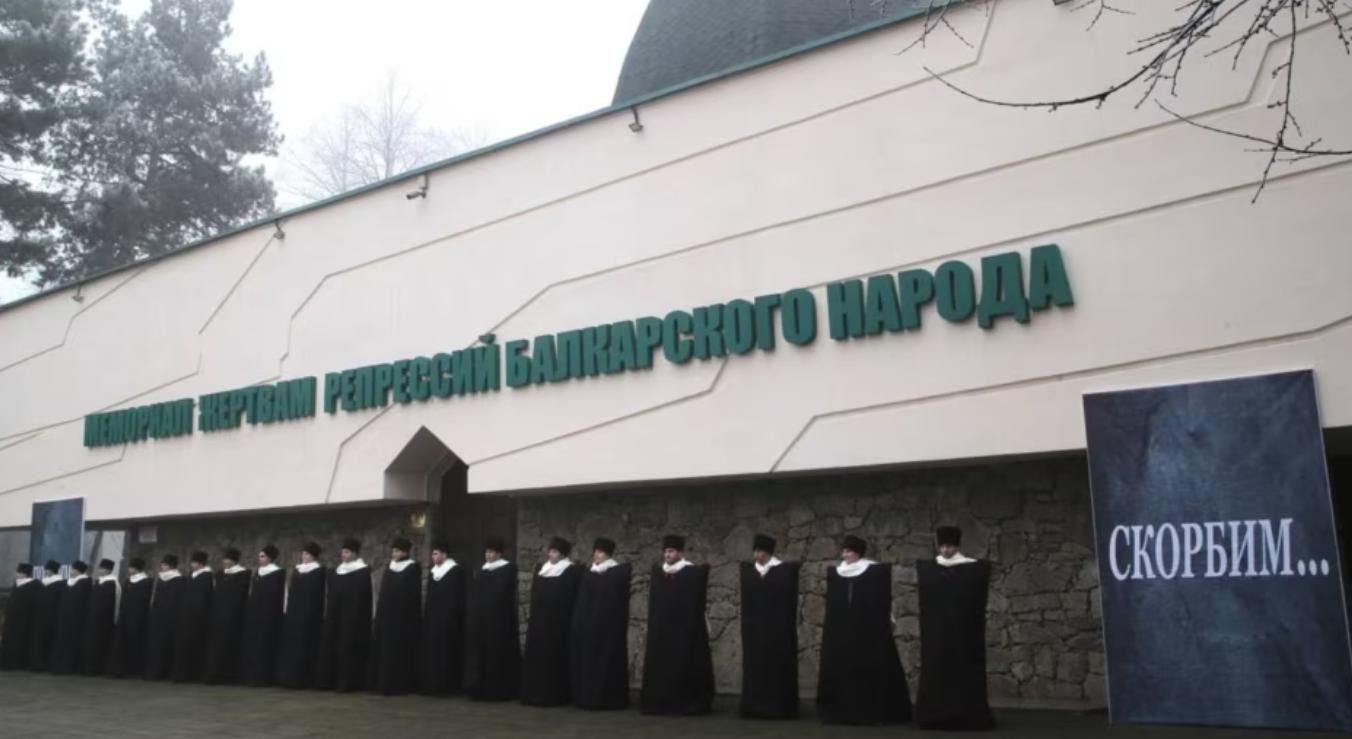
Mourning events dedicated to this tragic date were held in the Kabardino-Cherkessia Republic (KBR): an official rally at the Memorial to the Victims of Political Repression in Nalchik, dubbed a "civic-patriotic action," a remembrance lesson titled "A Look into the Tragic Past" and a book exhibition titled "Oh Tears of the Mountains, Oh Bloody March Day" at the city library, and a poetry hour titled "The People's Pain Cannot Be Silenced" at the local House of Culture.
The head of neighboring Karachay-Cherkessia, Rashid Temrezov, also addressed the Balkars today: "The residents of Karachay-Cherkessia, who experienced a similar tragedy, are especially close to the pain of the Balkar people. We express our condolences and support to fraternal Kabardino-Balkaria," Temrezov stated.
The head of the KCR noted that "thirteen years spent in exile have become a severe test of endurance." But it was during this period that the people's unwavering will was clearly demonstrated: the Balkars persevered, managing to preserve their native language, distinctive culture, and ancestral traditions in a foreign land."
According to official data, approximately 40% of the deportees were unable to return to their homeland after rehabilitation. Every Balkar family carries the memory of loved ones who died en route or in the settlement.
The deportation was officially justified by the alleged participation of Balkars in collaborationist groups that allegedly collaborated with Nazi Germany during World War II. However, this standard and trumped-up accusation was used against all peoples subjected to forced deportation.
The Balkars were only permitted to return to their homeland in 1957. This date is now celebrated in Kabardino-Balkaria as Revival Day.