Abkhazia Accuses Georgia of Blocking Non-Use of Force Agreement


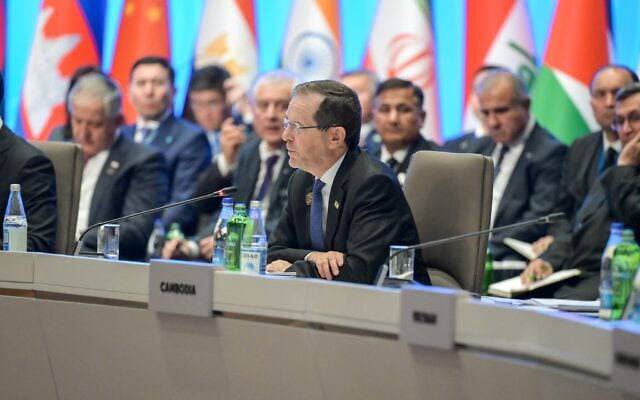
The issue of a non-use of force agreement between Georgia and Abkhazia has once again reached an impasse. This was stated by Oleg Bartsits, Foreign Minister of the self-proclaimed Republic of Abkhazia, following the 67th round of the Geneva International Discussions. According to him, Tbilisi's position remains the key obstacle.

"Georgia is making it impossible for us to move forward and progress toward achieving our most important goal—concluding an agreement on the non-use of force," Bartsits stated.

He also emphasized that the Abkhaz side, in his words, does not consider forceful options and insists exclusively on a political and diplomatic path.

"The Abkhaz side does not allow for an alternative to a peaceful, constructive resolution of all issues existing between our countries," he noted. He stated that this approach is based on "the historical and legal basis and the prevailing realities."

Bartsits also stated that a certain status quo has already been established in the region, which he believes must be taken into account by all negotiating parties.

Criticism of Tbilisi was a central theme in his statement. He asserted that the Georgian side continues to refer to Abkhazia as "occupied by the Russian Federation," and this, in his view, is what is blocking progress toward an agreement on the non-use of force.

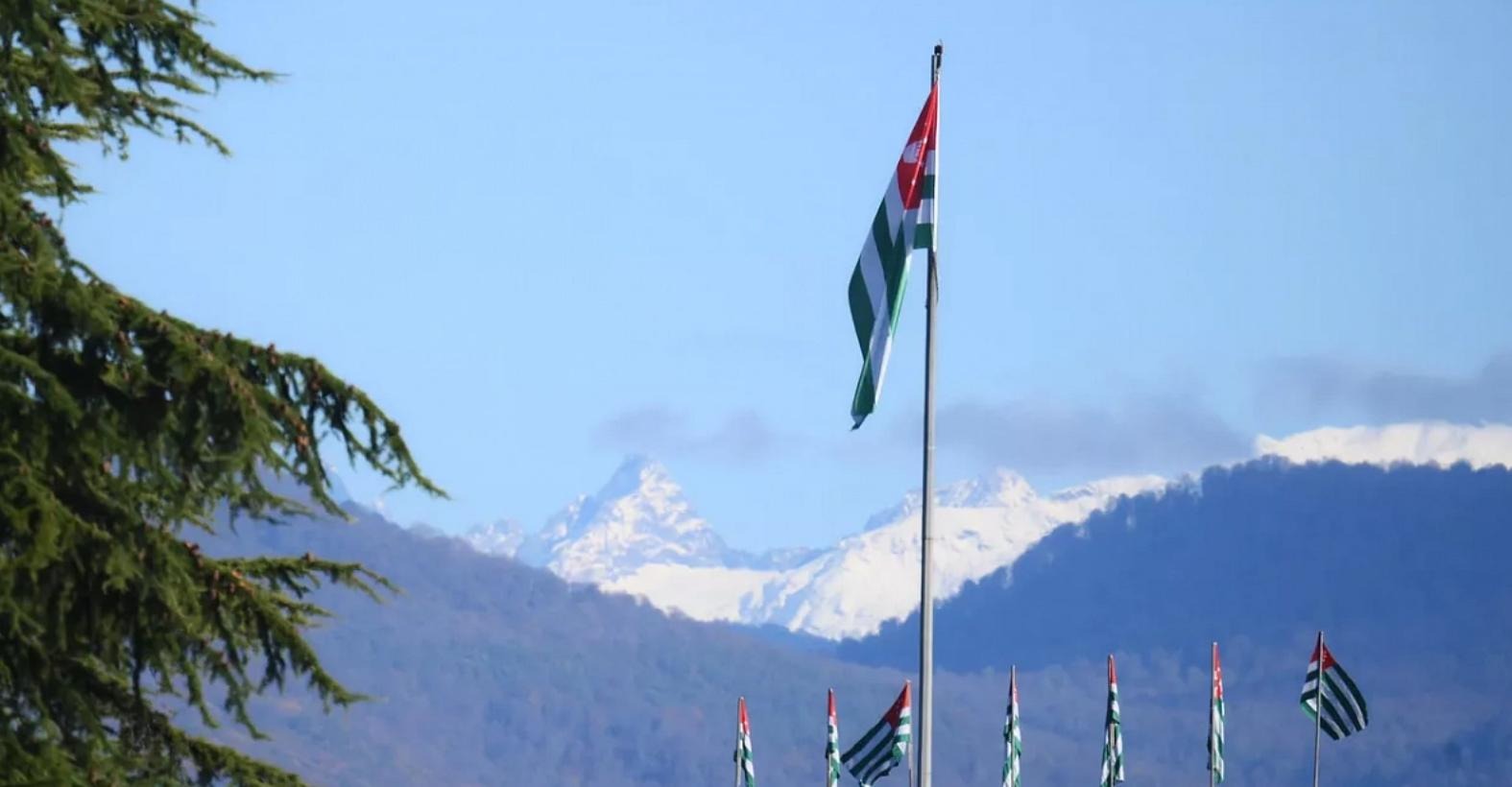
The Abkhaz side also reiterated its fundamental position: Abkhazia and South Ossetia are viewed as "two sovereign independent states neighboring Georgia."

"And everyone will have to reckon with these realities. Russia holds exactly the same position," Bartsits concluded.

The Geneva talks remain the only forum for direct dialogue between the parties since the 2008 war. However, rounds regularly conclude without any significant rapprochement between the negotiating parties.
Последние новости
Ukraine attacked southern Russia: children died in Krasnodar, and Ozon warehouses were hit
Politics
Ukraine attacked southern Russia: children died in Krasnodar, and Ozon warehouses were hit
24 August 2026

Overnight into August 24, drones attacked several regions in southern Russia. The consequences were most tragic in Krasnodar: drone debris fell on a private children's center, killing two children and injuring seven other children and two adults. This was reported by Veniamin Kondratyev, the governor of Krasnodar Krai.

Friend of missing Chechen woman detained in Grozny after picket
Human rights
Friend of missing Chechen woman detained in Grozny after picket
23 August 2026

Elena Patyaeva—a friend of Seda Suleymanova, who disappeared three years ago after being forcibly returned from St. Petersburg to Chechnya—was detained in Grozny. On August 23, Patyaeva stood by the monument to journalists who died for freedom of speech, holding a sign that read: "I demand an investigation into the murder of Seda Suleymanova." This was reported by the human rights project "Slovo Zashchite" (Word for the Defense).

Azerbaijani Ambassador Says Russian Media Hinders Closer Ties Between Baku and Moscow
Politics
Azerbaijani Ambassador Says Russian Media Hinders Closer Ties Between Baku and Moscow
23 August 2026

Azerbaijan intends to continue developing relations with Russia, despite the deteriorating media narrative surrounding Baku in Russian outlets. Rahman Mustafayev, Azerbaijan’s Ambassador to Russia, stated this in an interview with RTVI.

Falling debris from Ukrainian UAVs sparks fires in southern Russia
Politics
Falling debris from Ukrainian UAVs sparks fires in southern Russia
23 August 2026

Wildfires broke out in the Rostov and Krasnodar regions due to falling drone debris. In the Rostov region, the railway overhead power line was also damaged, while in the Kuban region, three people—including two children—were killed in an attack the previous day.