Aliyev stated that Azerbaijan must be "ten times stronger" than Armenia and recalled a "stab in the back"
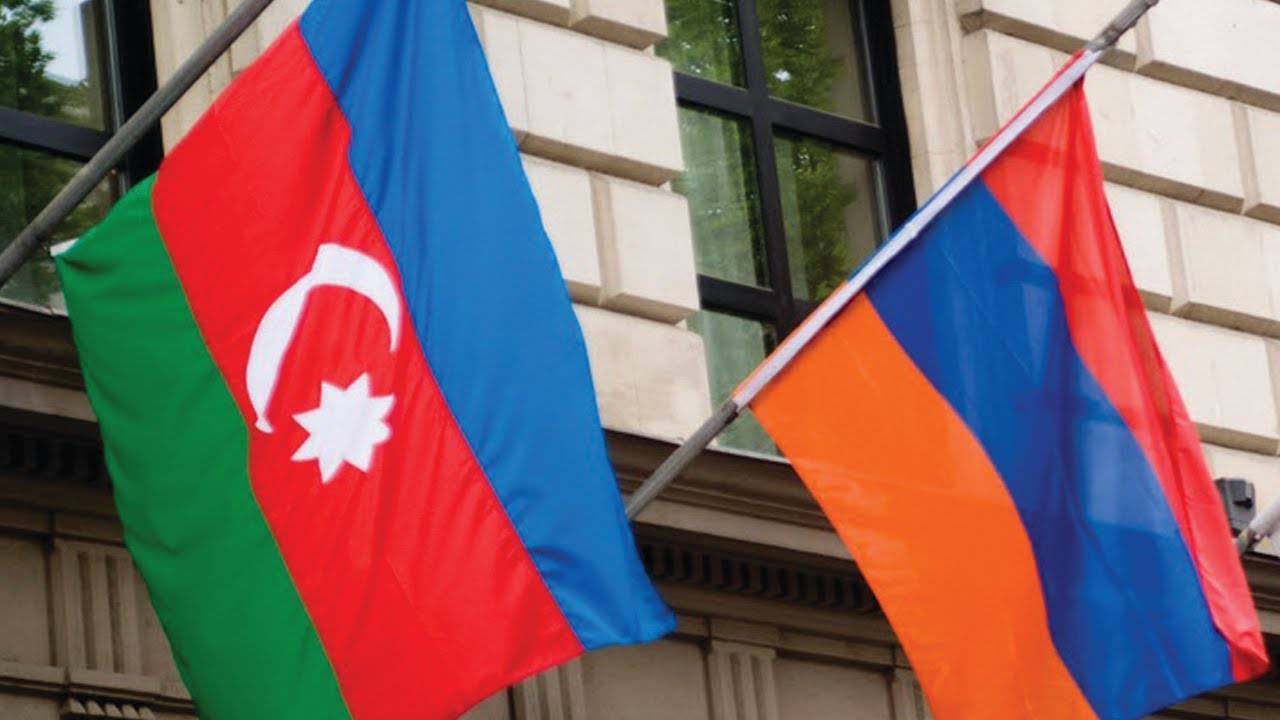
Azerbaijani President Ilham Aliyev stated that the country must be "ten times stronger" than Armenia "every day," explaining this by the need to maintain military superiority even after the initialing of a peace agreement between the two countries. He outlined his position on October 2 at the 8th Congress of the ruling New Azerbaijan Party in Baku.
Speaking about the situation following the Second Karabakh War, Aliyev noted that there is currently no war between Azerbaijan and Armenia, the border is calm, and a peace treaty has been initialed. According to him, contacts have already been established between the countries, and trade has begun.
At the same time, the Azerbaijani leader identified the buildup of military might as one of the country's primary tasks, citing historical experience regarding relations with Armenia.
"Our people encountered Armenian ingratitude," Aliyev said, recalling the older generation who, he noted, remember friendly relations with the Armenian community—including their free use of the Azerbaijani language and even the performance of *namaz* (Islamic prayers).
"And what was the result? As soon as they saw us waver slightly, saw us stumble, they dealt a stab in the back. This is not the first time this has happened in their history; they did the exact same thing a century ago elsewhere. Therefore, we must never forget this; we must remain vigilant and always—every day—be ten times stronger than them," the president declared.
Aliyev also revisited the events surrounding Karabakh, stating that Azerbaijan had succeeded in changing the international perception of the issue. According to him, those who previously declared "Karabakh is Armenia—period" are now compelled to say "Karabakh is Azerbaijan."
The president attributed this shift to Armenia’s recognition of Azerbaijan’s territorial integrity, emphasizing that the development cannot be explained solely by the goodwill of the current Armenian leadership. He recalled statements made by Armenian authorities between 2018 and 2020 and urged against substituting history with political interpretations.
Aliyev also stated that Armenia’s current authorities had previously advanced territorial claims against Azerbaijan. He noted that this fact must be kept in mind amidst attempts to portray the Armenian leadership as an exclusively peace-loving party.
Furthermore, Aliyev remarked that Azerbaijan could have advanced further following its military victories but consciously chose to stop.
"There is no room for emotion in politics. Had we given in to emotion, we would likely be erecting a third 'Arch of Victory' in the center of Yerevan today," he declared.
This segment was later published separately on the president's social media channels.
Commenting on Aliyev’s speech, Tatevik Hayrapetyan, an Armenian expert on Azerbaijan, drew particular attention to the phrase "stab in the back." She linked it to the German "stab-in-the-back myth" (*Dolchstoßlegende*) that emerged after World War I and described the Azerbaijani president's rhetoric as aggressive and racist.
Hayrapetyan also connected Aliyev’s remarks regarding a potential "third Arch of Victory" to his assessment of the military conflict, characterizing them as evidence of the Azerbaijani leadership's enduring territorial ambitions.
On August 8, 2025, Armenia and Azerbaijan initialed the text of a peace agreement in Washington. The document was signed by the foreign ministers of the two countries, Ararat Mirzoyan and Jeyhun Bayramov, in the presence of then-U.S. President Donald Trump, Pashinyan, and Aliyev. The final signing of the agreement has not yet taken place; Baku links it to an amendment of Armenia's Constitution.