Amnesty Warns of Risk of Torture for Azerbaijani Journalist Serving 15-Year Prison Sentence
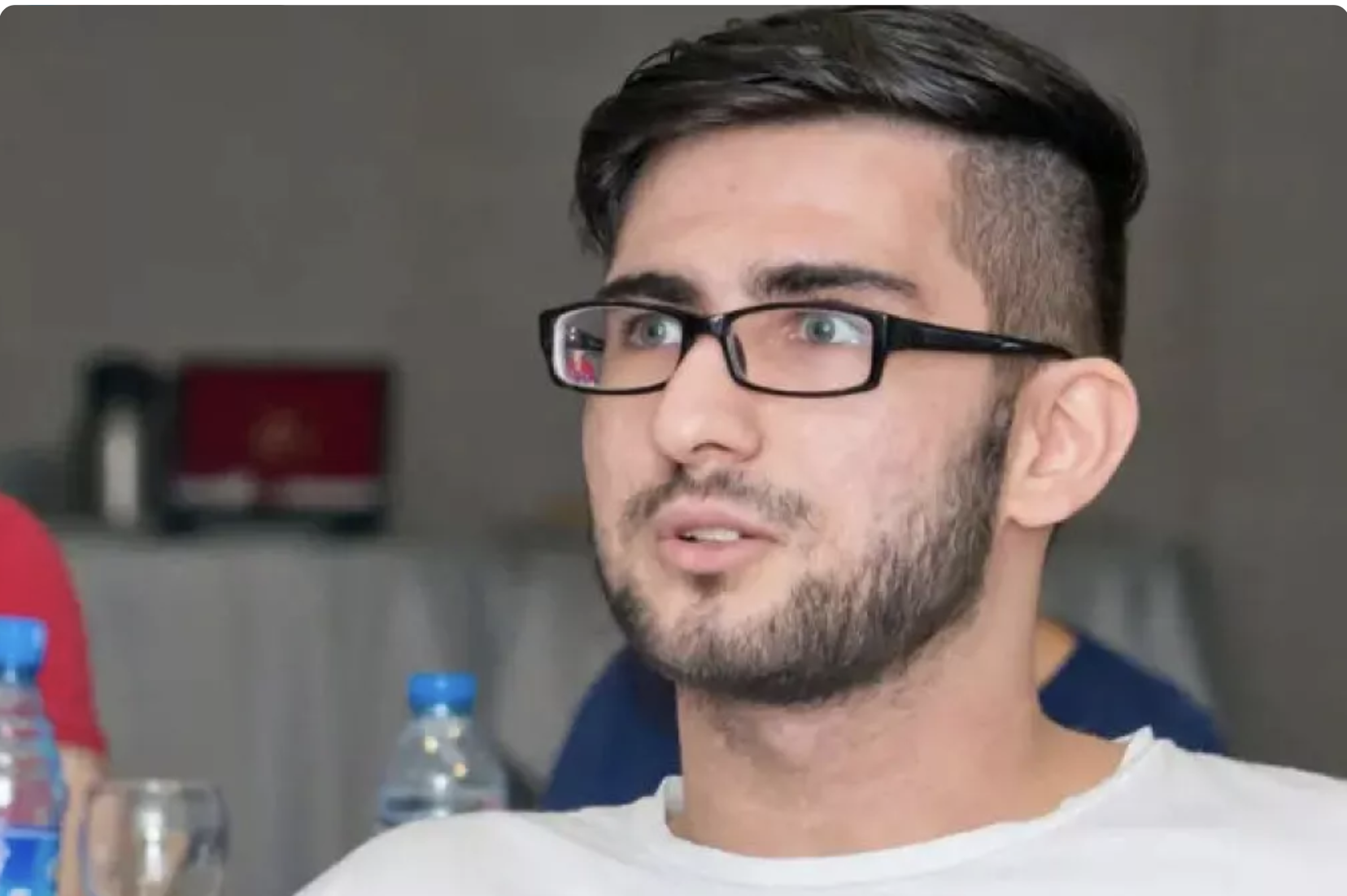
Amnesty International has called on Azerbaijani President Ilham Aliyev to immediately release journalist and researcher Bahruz Samadov, who was sentenced to 15 years in prison on charges of treason. The human rights organisation fears that he may be subjected to torture and other ill-treatment in detention and denied the medical care he needs.
Amnesty International believes that Samadov is being persecuted solely because of his public stance. The journalist advocated a peaceful resolution to the conflict between Armenia and Azerbaijan, called for dialogue between the two countries and criticised the expulsion of the Armenian population from Nagorno-Karabakh.
The organisation has urged the Azerbaijani president to secure Samadov’s immediate and unconditional release. “I urge you and your government to immediately and unconditionally release Bahruz Samadov and, pending his release, end his solitary confinement, ensure that he receives the urgent medical care he needs, and guarantee that he is held in safe and humane conditions,” the appeal states.
Before his arrest in 2024, Samadov, now 31, had worked for several years with the Caucasus-based online publication OC Media. His articles also appeared in EurasiaNet and OpenDemocracy. He wrote about the prospects for a peaceful resolution of the Armenian-Azerbaijani conflict and human rights in Azerbaijan.
“The criminal prosecution of Bahruz Samadov is politically motivated, and no credible evidence of any crime has ever been made public,” Amnesty International said. Samadov denies the treason charges.
The organisation has also raised concerns about the harsh conditions in which the journalist is being held and the lack of adequate medical care. According to Amnesty, Samadov was placed in a cramped, dark cell, denied access to the prison yard and left without medication prescribed by doctors for more than a month. Despite a significant deterioration in his eyesight, he was not given the necessary ophthalmological treatment. The organisation says a doctor attributed the deterioration in his vision to the conditions of his detention.
Amnesty also reported that Samadov had attempted to take his own life twice. He was held in solitary confinement for two months as a form of punishment and deliberately isolated during court hearings.
The organisation drew particular attention to a recent incident in court. After his appeals were rejected, Samadov cut his arm with a sharp object. His lawyer, Zibeyda Sadigova, told OC Media about the incident. Samadov then told the court: “When words run out, you have to speak with blood.”
Amnesty warned that the circumstances described — including the denial of medical care and prolonged isolation — could amount to torture or other cruel, inhuman or degrading treatment or punishment.
On Friday, the journalist’s friend Amrah Tamazov said that earlier in October Samadov had been visited by a representative of an Azerbaijani state human rights institution. According to Tamazov, the visit was merely a formality: the representative briefly checked on the prisoner, took a photograph and left.
Tamazov believes the photograph was intended simply to give the authorities the appearance of monitoring Samadov’s condition. “Don’t worry, we visit him, he is alive, everything is fine with him” — that, according to the journalist’s friend, was the message the visit was designed to convey.
The case of Bahruz Samadov is part of a wider campaign against independent journalists, opposition politicians, human rights defenders and civil society activists in Azerbaijan. According to an updated list published by Azerbaijani human rights defenders on 6 October, the country has 322 political prisoners, including 31 journalists and bloggers. The list was compiled by human rights defenders Leyla Yunus and Elshan Hasanov and reflects the situation as of 5 October 2026.
Press freedom in Azerbaijan remains among the most restricted in the world. In Reporters Without Borders’ 2026 World Press Freedom Index, the country ranked 171st out of 180, falling four places in a year. According to the organisation, 24 journalists and two other media workers are currently behind bars.
The authorities use criminal prosecutions, arrests and lengthy prison sentences to put pressure on independent media and government critics. Journalists and media staff face charges including smuggling, illegally receiving foreign funding and financial offences. Similar charges have been brought against staff members of Abzas Media, Meydan TV and Toplum TV. Many of those accused deny the allegations and say the cases against them are politically motivated.
The pressure also extends beyond Azerbaijan’s borders. In a report published on 2 July 2026, Amnesty International said the Azerbaijani authorities were persecuting journalists, human rights defenders and activists who criticise the government from abroad. Their relatives and close associates who remain in Azerbaijan are also subjected to pressure. The organisation notes that, since 2013, the authorities have systematically narrowed the space for independent civic activity, imprisoning hundreds of activists, journalists, human rights defenders and opposition figures or forcing them to leave the country.