Armenia Named Among Potential Host Countries for EU Return Hubs
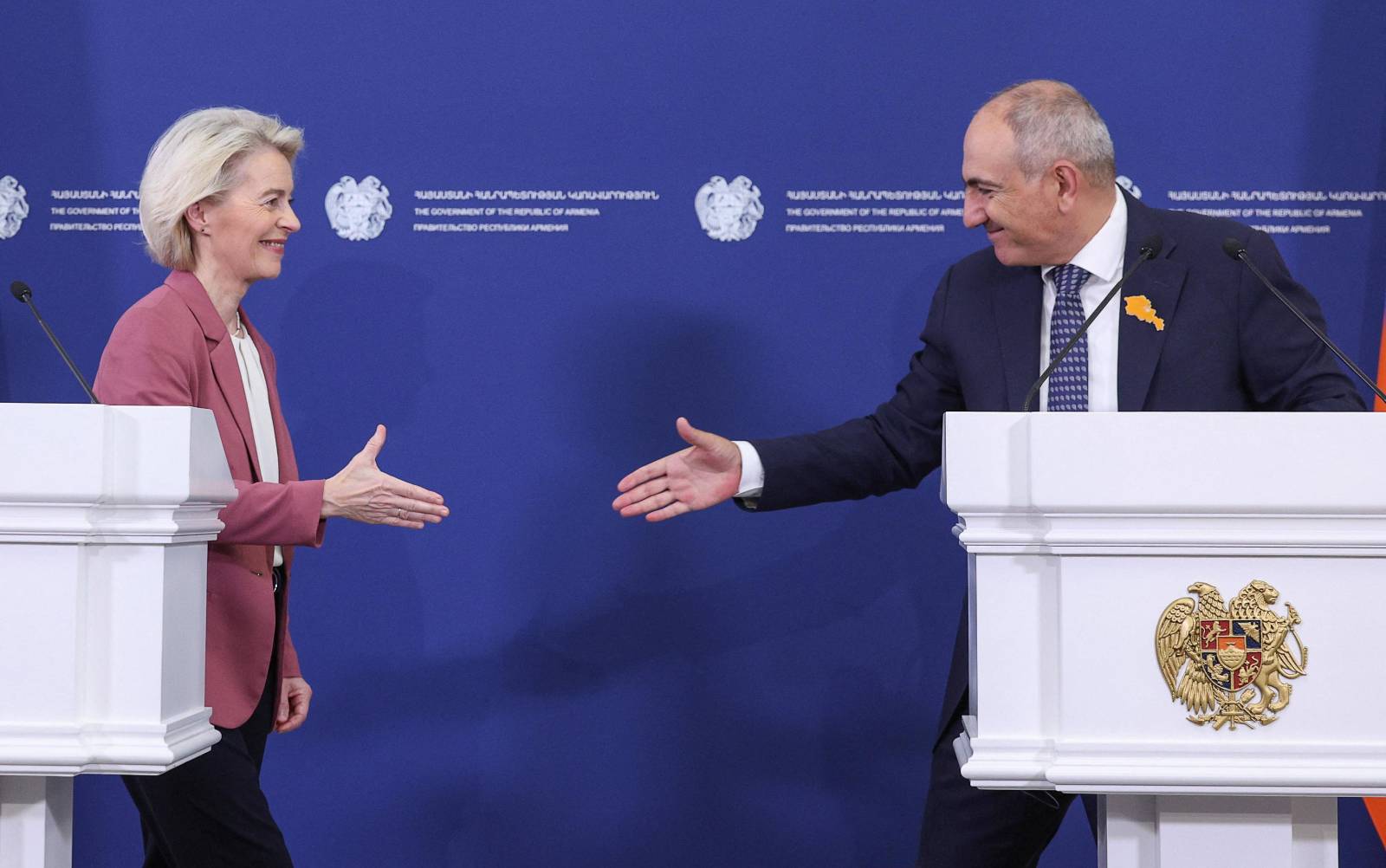
Italy has put forward a proposal to establish migrant return hubs outside the European Union at an emergency meeting of EU interior ministers, with Armenia previously identified as one of the potential host countries. Yerevan, however, says it has received no such proposal, and the ministers concluded their talks without announcing any decision to create a return hub in Armenia.
The emergency videoconference of EU interior ministers took place on August 4 following the migration crisis in the Spanish enclave of Ceuta, where around 72,000 people crossed from Morocco within a short period. The ministers discussed strengthening the EU’s external borders, combating migrant smuggling networks, and speeding up the return of migrants who have no legal right to remain in the bloc.
Italy, backed by Denmark, called for tougher EU-wide migration policies. Rome promoted the idea of establishing migrant return hubs in non-EU countries, modeled on the facilities Italy is already developing in Albania. Under the proposal, the European Union would finance both the construction and operation of such centers.
Ahead of the meeting, Euronews reported that a preliminary list of possible host countries included Armenia, Uzbekistan, Montenegro, Rwanda, Ghana, Senegal, Tunisia, Libya, Mauritania, Egypt, Uganda and Ethiopia. According to the broadcaster, Uganda was considered the most advanced option.
However, after the August 4 meeting, EU ministers made no announcement about selecting Armenia or opening negotiations with Yerevan. Instead, the discussions focused more broadly on expanding cooperation with third countries and strengthening mechanisms for returning migrants whose asylum claims have been rejected or who otherwise lack the right to remain in the European Union.
Moreover, Armenia’s Foreign Ministry said Italy’s initiative had not been discussed with Yerevan in advance.
“We have not received such a proposal, and this issue has not been discussed with us,” Foreign Ministry spokesperson Ani Badalyan said on August 4 in response to an inquiry from the state news agency Armenpress.
At this stage, Armenia has appeared only as one of several countries reportedly considered during the drafting of the initiative. Armenian authorities have not agreed to host migrants returned from the EU, nor have any confirmed negotiations taken place over the terms of a possible agreement.
The broader concept of transferring return procedures outside the European Union has already acquired a legal basis. On June 1, the Council of the European Union and the European Parliament reached a provisional agreement on new rules governing the return of third-country nationals staying illegally in the bloc.
The agreement explicitly allows EU member states to establish so-called “return hubs” in third countries. Migrants who have lost the legal right to remain in the European Union could be transferred to these facilities, either as a final destination or as a temporary stop before being returned to their country of origin.
However, the EU would not be able to establish such a facility in Armenia or transfer migrants there unilaterally. Under the agreed rules, any return hub would require a separate agreement with the host country. The host state would also have to comply with international human rights standards and the principle of non-refoulement. Unaccompanied minors could not be transferred to such facilities.
Armenia has had a readmission agreement with the European Union since 2014. That agreement, however, does not oblige the country to accept third-country nationals whom the EU seeks to remove from its territory. Establishing a fully operational return hub would require a separate bilateral agreement between Brussels and Yerevan.
What Armenia Could Gain
No specific terms have been offered to Armenia, making it impossible at this stage to assess what financial compensation or political concessions the country might receive. The only publicly known element of Italy’s proposal is that the European Union would cover the costs of establishing and operating the centers.
In theory, any future agreement could include EU funding for infrastructure and operating expenses, while also providing Yerevan with an additional channel for cooperation with Brussels. However, there is currently no evidence that the EU is prepared to offer Armenia financial assistance, visa incentives or other benefits in exchange for hosting migrants returned from the bloc.
For Armenia, any negotiations over a migrant return hub could also prove politically sensitive because the country is seeking visa-free travel to the European Union.
The EU-Armenia visa liberalization dialogue began in 2024, but Armenian citizens still require visas for short-term travel to the Schengen Area. There is currently no indication that Brussels has linked progress toward visa liberalization to Armenia’s willingness to host migrants removed from the European Union.