Armenia Strengthens Military Cooperation with NATO Amidst Rift with the CSTO
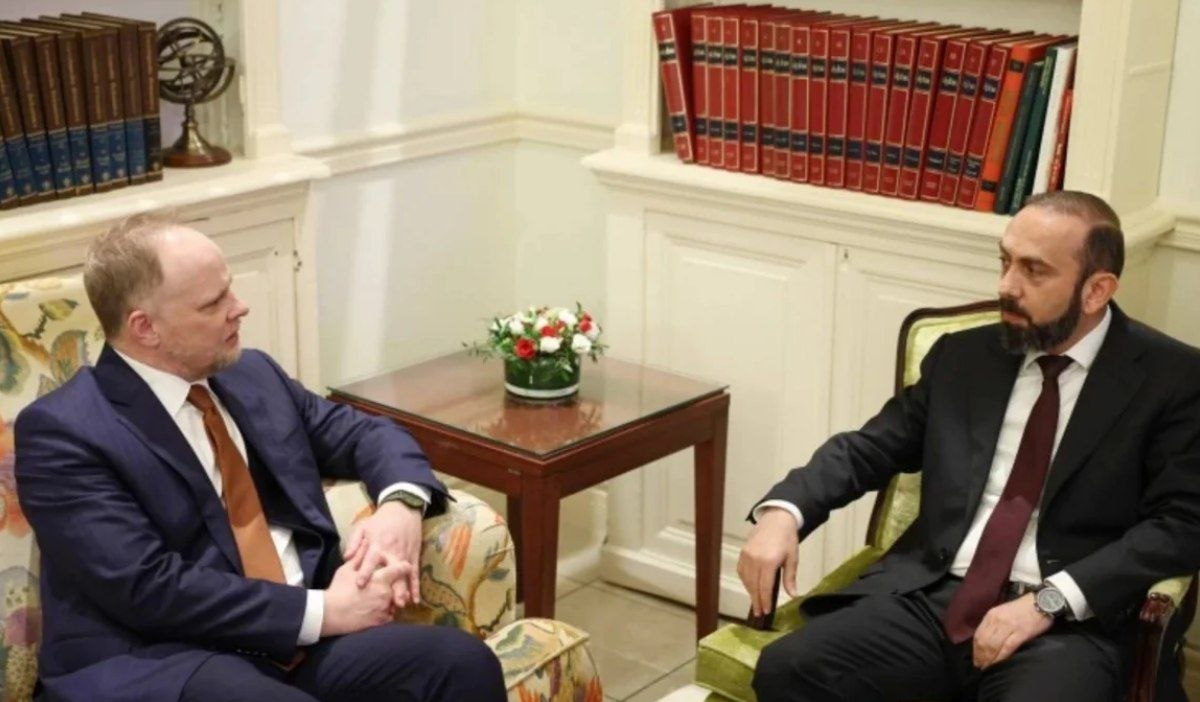
Armenian Foreign Minister Ararat Mirzoyan and Kevin Hamilton, the NATO Secretary General’s Special Representative for the Caucasus and Central Asia, discussed the continued participation of Armenian military personnel in the alliance’s peacekeeping operation in Kosovo. The meeting took place on November 16 in Brussels.
The discussion concerned the KFOR mission, which NATO deployed to Kosovo in 1999 following the armed conflict in the region. Armenia has participated in the mission since 2004, making it one of the longest-standing areas of military cooperation between Yerevan and the alliance.
The Armenia-NATO partnership extends beyond the deployment of troops abroad. Yerevan collaborates with the alliance on military education, unit training, the reform of defense institutions, and enhancing the interoperability of the Armenian armed forces with NATO standards. Notably, Armenia is not a member of the alliance and maintains its relationship through a partnership framework.
Another topic addressed was Armenia’s relations with Azerbaijan. Mirzoyan outlined Yerevan’s efforts to develop interregional transport and communication links. Both sides noted that the peace established between the two countries creates opportunities for expanding regional cooperation.
The talks in Brussels took place against the backdrop of a further deterioration in Armenia’s relations with the Collective Security Treaty Organization (CSTO). On November 11, the member states of the organization stripped Yerevan of its voting rights and its ability to nominate representatives for key positions. This decision was prompted by outstanding membership dues; Armenia ceased making these payments in 2024, when it announced the freezing of its participation in the bloc. Nevertheless, the republic remains a formal member of the organization. The intensification of NATO’s cooperation with the countries of the South Caucasus has drawn criticism from Moscow. The Russian Foreign Ministry has repeatedly accused the alliance of seeking to expand its influence in the region. In May 2025, commenting on NATO exercises in Georgia—which involved 17 partner nations, including Armenia and Azerbaijan—Maria Zakharova stated that the alliance’s actions were not aimed at strengthening security, but rather at creating a zone of instability and military-political tension.
In June 2026, Zakharova also spoke out against the "Eagle Partner" exercises in Armenia, which involved military personnel from the United States, France, and Greece. She argued that such maneuvers create new geopolitical dividing lines and threats.