Repressive laws force Georgian human rights activists into crisis mode
The Georgian Young Lawyers' Association (GYLA), one of the country's oldest human rights organizations, has announced it is entering a crisis mode. From now on, it will provide legal assistance only in strategic litigation.
According to the human rights activists, the decision is due to legislative changes over the past two years, which they assess have significantly limited the space for civil society and impacted the organization's work.
"Today, civil society organizations are operating under some of the most challenging circumstances in the history of independent Georgia. Unconstitutional legislative changes adopted in 2024 are aimed at restricting and/or completely eliminating civil society," the statement noted.
The association was founded in 1994 and monitors the activities of state institutions and compliance with human rights standards. Its work includes international advocacy and reporting for such organizations as the United Nations, the European Union, and the Council of Europe.
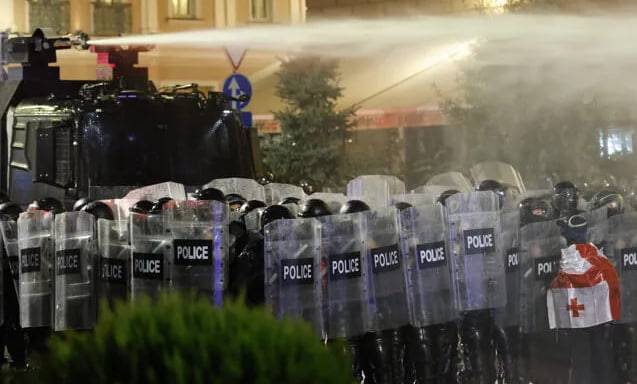
Due to the current situation, the organization has already been forced to curtail some programs, including projects providing free legal aid to citizens. The statement states that the "repressive environment" is forcing many civil society organizations to either completely cease operations or drastically reduce their scope. Furthermore, according to human rights activists, the risk of criminal prosecution creates constant pressure on their activities.
Since the spring of 2024, the ruling Georgian Dream party has passed a series of laws that have drawn criticism from opponents and human rights activists. These include the "Law on Transparency of Foreign Influence," which requires non-governmental organizations and media outlets to register as foreign agents, as well as provisions criminalizing refusal to register and restricting the receipt of foreign grants without government permission.