Azerbaijan Works on Enhancing Military Interoperability with NATO Countries
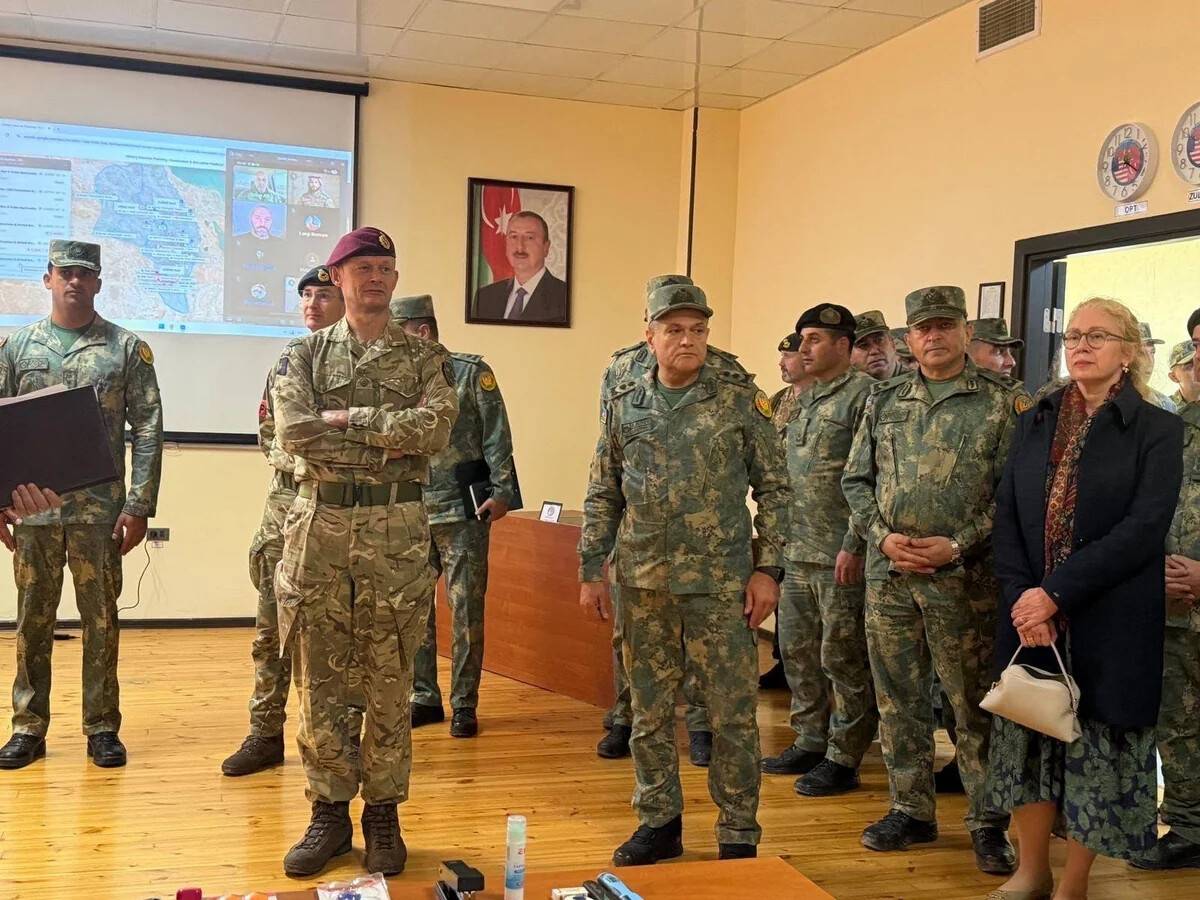
In Baku, representatives from Azerbaijan, NATO member states, and partner nations have been assessing the Azerbaijani army’s capabilities against the alliance’s standards. The program included operational planning and exercises designed to improve interoperability between military units.
According to the Swedish Embassy in Azerbaijan, participants also focused on developing operational capabilities and expanding defense cooperation. Swedish Ambassador Louise Morsing took part in the events held last week.
The program concluded with a visit to Baku by Lieutenant General John Mead, Deputy Commander of Allied Joint Force Command Brunssum, and Air Commodore Geoff Brock. They met with the Chief of the General Staff of the Azerbaijani Army, Karim Valiyev, and his deputy, Azer Aliyev.
Azerbaijan’s Ambassador to NATO, Jafar Huseynzade, emphasized the importance of cooperation with the alliance and international partners for regional security and stability.
Azerbaijan has been cooperating with NATO since 1994, when it joined the "Partnership for Peace" program. This engagement encompasses the training of military units, defense planning, and the alignment of military procedures with NATO standards. Such cooperation takes on added significance given the regional security issues in the South Caucasus. In January 2026, NATO and Azerbaijani representatives discussed, among other topics, the normalization of relations between Baku and Yerevan.
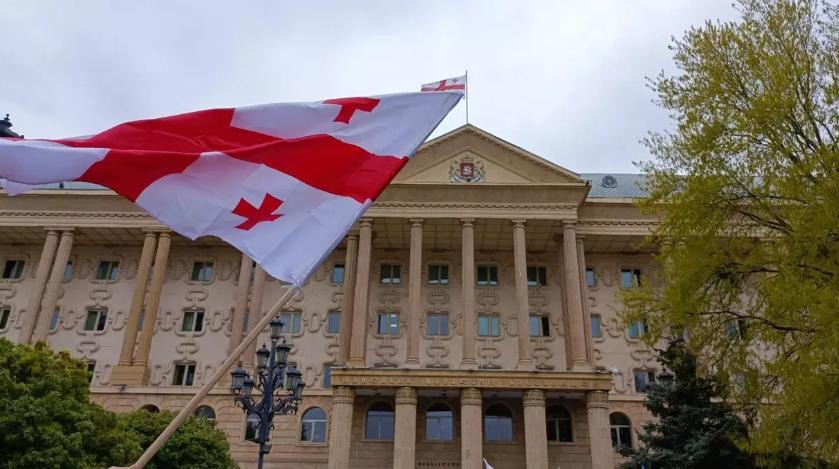
Moscow views the expansion of NATO’s military cooperation with South Caucasus nations critically, perceiving the alliance’s activities in the region as a factor that could exacerbate geopolitical tensions. In particular, in May 2025, Russian Foreign Ministry spokesperson Maria Zakharova, commenting on NATO exercises in Georgia involving 17 partner countries—including Azerbaijan and Armenia—stated that the alliance is seeking to expand its influence in the region.
"No one should harbor any illusions: any actions by the North Atlantic Alliance in the South Caucasus are aimed not at strengthening security, but at creating a zone of instability and military-political tension there," Zakharova emphasized.
In June 2026, she also criticized the "Eagle Partner" exercises in Armenia, which involved military personnel from the United States, France, and Greece. The Russian Foreign Ministry spokesperson declared that these maneuvers would "create new geopolitical dividing lines and threats."