Baku claims it persuaded Israel to postpone recognition of the Armenian Genocide
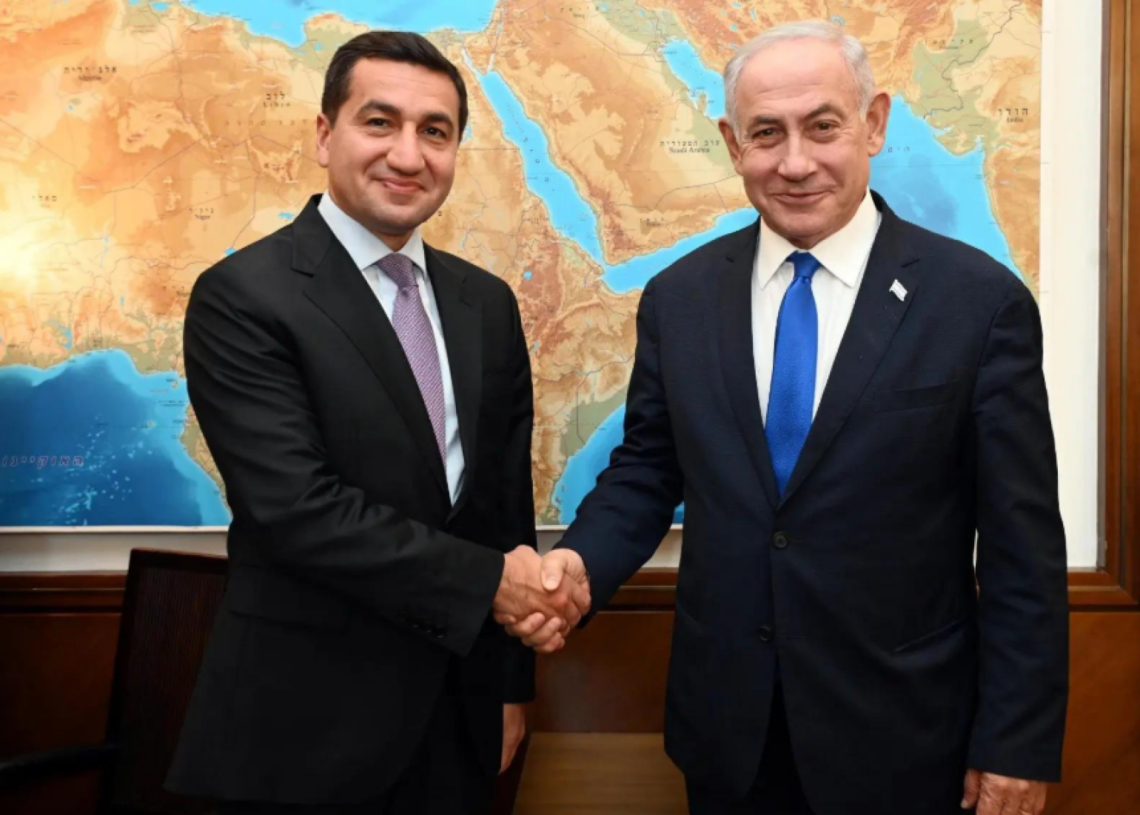
For the first time, Azerbaijan has publicly stated that the postponement of a parliamentary vote in Israel regarding the recognition of the Armenian Genocide was the result of negotiations between Baku and Tel Aviv. Hikmet Hajiyev, an aide to the President of Azerbaijan, reported that the Azerbaijani side had conveyed its position to Israel in advance, and that these signals were taken seriously.
According to Hajiyev, issues affecting Turkey's interests remain matters of principle for Baku. He described them as a "red line" and emphasized the special nature of the relationship between the two countries.
"At a table where Turkey is absent, Azerbaijan is present. And at a table where Azerbaijan is absent, Turkey is present," the presidential aide declared.
As recently as late June, it appeared that Israel was close to officially recognizing the Armenian Genocide. At that time, the country's government unanimously supported submitting the relevant resolution to parliament for consideration, and Israeli Foreign Minister Gideon Sa'ar called its adoption a "moral and historical duty."
However, the vote was unexpectedly postponed on July 13. Azerbaijani authorities now claim that this decision was the result of consultations between Baku and Tel Aviv.
For decades, Turkey has categorically rejected the characterization of the events of 1915 as genocide and reacts strongly to such decisions by other states. Azerbaijan traditionally supports its ally's position.
Israel's stance on this issue has long remained ambiguous. Despite repeated attempts to bring the matter to a parliamentary vote—including in 2018—the country has avoided official recognition. The situation changed following a sharp deterioration in relations with Turkey: in 2025, Prime Minister Benjamin Netanyahu publicly described the mass killings of Armenians as genocide, yet the parliament has still not adopted a corresponding resolution.
Hikmet Hajiyev’s statement marked the first time the Azerbaijani side publicly asserted that diplomatic contacts between Baku and Israel might have influenced the postponement of the vote on this issue.