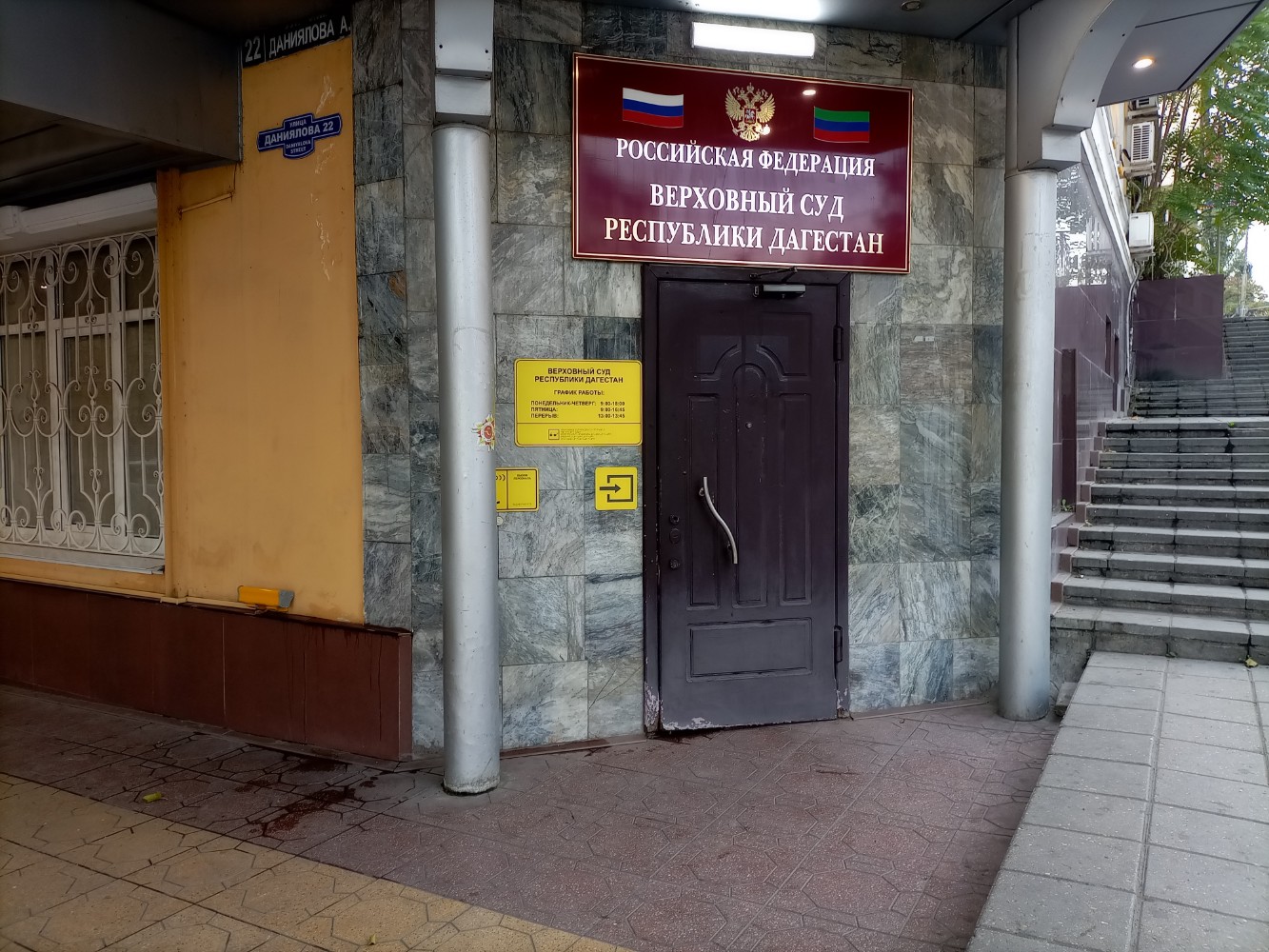
On June 25, the Supreme Court of Dagestan concluded another trial concerning the armed incursion of Shamil Basayev and Khattab into the republic in August 1999. This time, Sochi resident Alexander Ponomarenko, who claims he has never been to Dagestan, was sentenced to a lengthy prison term. Such cases are routinely pursued by investigators and the prosecutor's office. In May and June alone, at least seven people were convicted for the events of 1999-2000, and six more were detained and will soon appear in court.
Ponomarenko Case
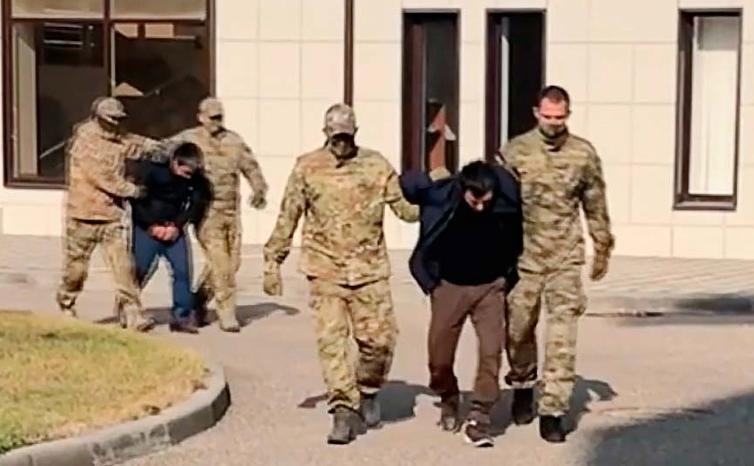
42-year-old taxi driver Alexander Ponomarenko was detained in April 2021 in his apartment in Sochi. According to the prosecution, in 1999, he joined the illegal armed group "Nogai Jamaat," underwent training in demolitions and sniper weapons at a training center near the village of Serzhen-Yurt in the Shali District of Chechnya, and participated in an attack on the Botlikh District of Dagestan.
The evidence was the testimony of two witnesses, one of whom is classified, and the other—Rustam Ismailov, a native of the Stavropol Territory—who is serving a prison sentence and has cooperated with the investigation several times. According to lawyer Narine Ayrapetyan, the testimony of these witnesses formed the basis for many of the guilty verdicts in the 1999 raid in the Botlikh District. Ayrapetyan is confident that investigators are using them to fabricate criminal cases. For example, Ismailov testified against another of her clients, Batyrbek Yumartov, and then passed him a note admitting that he had been forced to incriminate him under threat of torture.
Ponomarenko was also tortured. He told his lawyer that on June 4, he was taken to the FSB Directorate for the Stavropol Territory, where they put a bag over his head and tortured him with electric shocks, demanding he sign a statement.
The court found him guilty of banditry, armed rebellion, and attempted murder of military personnel. According to the verdict, he "as part of a gang under the general leadership of Shamil Basayev and Khattab, invaded the territory of the Botlikh District of the Republic of Dagestan... As a result of the massive targeted shelling carried out by the gang members, 33 servicemen of the military maneuver group of the Armed Forces of the Russian Federation were killed and 34 were wounded to varying degrees."
Alexander Ponomarenko was sentenced to eight years in a penal colony. He leaves behind a wife and two young children in Sochi.
More "Botlikh" Cases
Relatively much is known about Ponomarenko's case because his brother contacted Memorial. There are no details about the other defendants, only reports from law enforcement agencies.
At the end of May, the Southern District Military Court sentenced Eduard Taushev and Temirali Zarakayev. "The defendants, as part of an illegal armed group led by Shamil Basayev, participated in an attack on Russian Defense Ministry servicemen in the Botlikh District of Dagestan in August 1999," the press service of the Stavropol Krai FSB reported.
The court found them guilty under three articles of the Russian Criminal Code: Articles 209 (banditry), 279 (armed mutiny), and Article 317 (attempt on the life of servicemen). Taushev was sentenced to 13 years, and Zarakayev to 19 years in a maximum-security penal colony.
In May, five more suspects in Basayev's raid were detained in Dagestan, Ingushetia, Stavropol Krai, and Astrakhan Oblast. These were Radzhab Khasayev, Arsen Koldasov, Batyr Arsanov, Rasul Takhtamirov, and an unnamed man from Dagestan's Kaitag District. The FSB stated that it had "irrefutable evidence" against the accused.
The Case of the Deaths of the Pskov Paratroopers
The authorities are tirelessly pursuing another "gold mine"—the case of the deaths of the Pskov paratroopers, which has been investigated for many years by a single team of investigators from the Main Investigative Directorate of the Investigative Committee of Russia for the North Caucasus Federal District, with its core team remaining virtually unchanged. As Memorial noted, the wording in documents is copied and transferred from one criminal case to another, only the names changing.
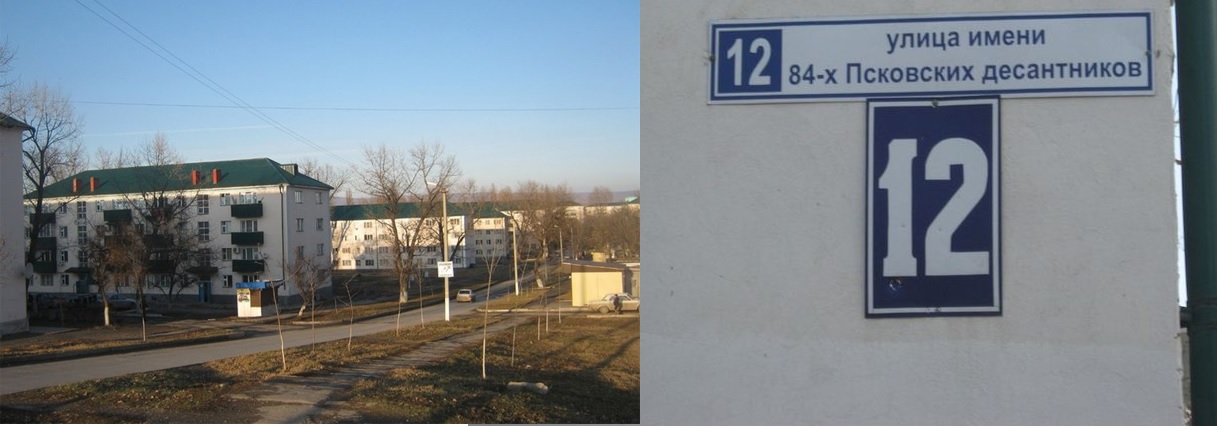
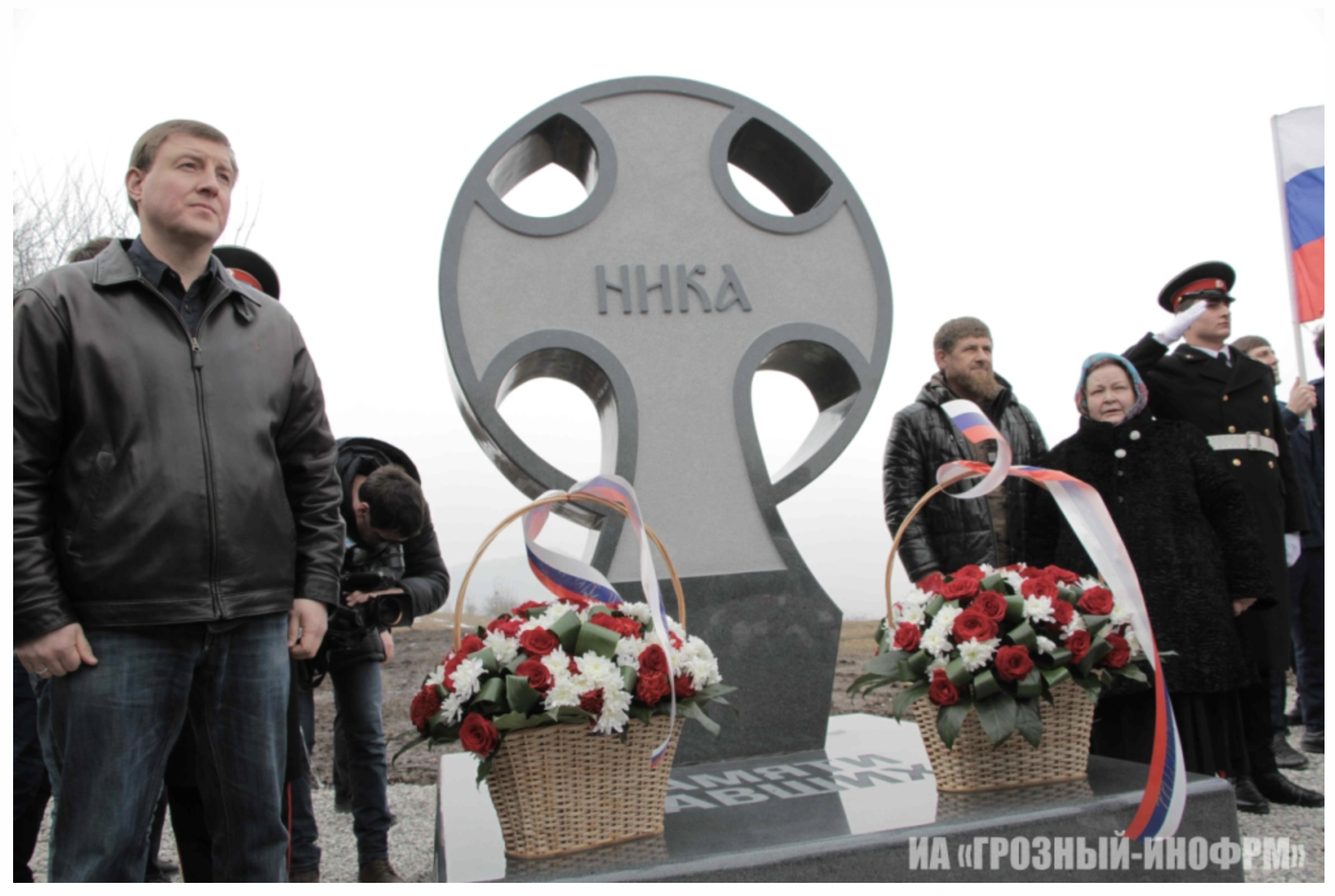
The attack on servicemen of the 6th Parachute Company of the 104th Regiment of the 76th Pskov Airborne Division occurred on February 29, 2000, in the mountains near the village of Ulus-Kert in the Shatoi District of Chechnya. In the battle for a strategically important position on Hill 776, 84 of the 90 servicemen were killed, and four more were wounded. According to investigators, Basayev and Khattab's combined force numbered approximately 2,500 fighters. Some researchers believe this defeat was due to errors by the Russian command. Human rights activist Alexander Cherkasov, for example, believes that the paratroopers were killed by their own artillery.
"Novy Dosh" has previously reported that, according to Chechen sources published on various websites, the number of Chechen resistance fighters who participated in the clash with the Pskov paratrooper company did not exceed 70. However, the myth of a "heroic battle" by Russian troops against a 100-fold superior enemy has been perpetuated by propaganda for a quarter of a century, countering the shameful reality of the Russian army—a reality in which its heavily armed company, supported by air power and artillery, was utterly routed by a smaller militia group equipped only with small arms. In early June, the Southern District Military Court sentenced four residents of Tatarstan. All were found guilty of attacking Pskov paratroopers in 2000. According to the Investigative Committee, the evidence was collected "with the operational support of the Russian FSB."
According to the prosecution, Ilgam Gumerov, Ilgiz Mukhametgaliev, Khaidar Razzakov, and Mukhamedvali Shaikhutdinov "as part of a united armed gang under the general leadership of Basayev and Khattab... having taken up positions, fired aimed shots at servicemen from Kalashnikov assault rifles."
The court sentenced them to lengthy prison terms—from 13 to 24 years in a maximum-security penal colony—under the same three articles of the Criminal Code.