Natalia Estemirova's daughter held a book presentation dedicated to her mother
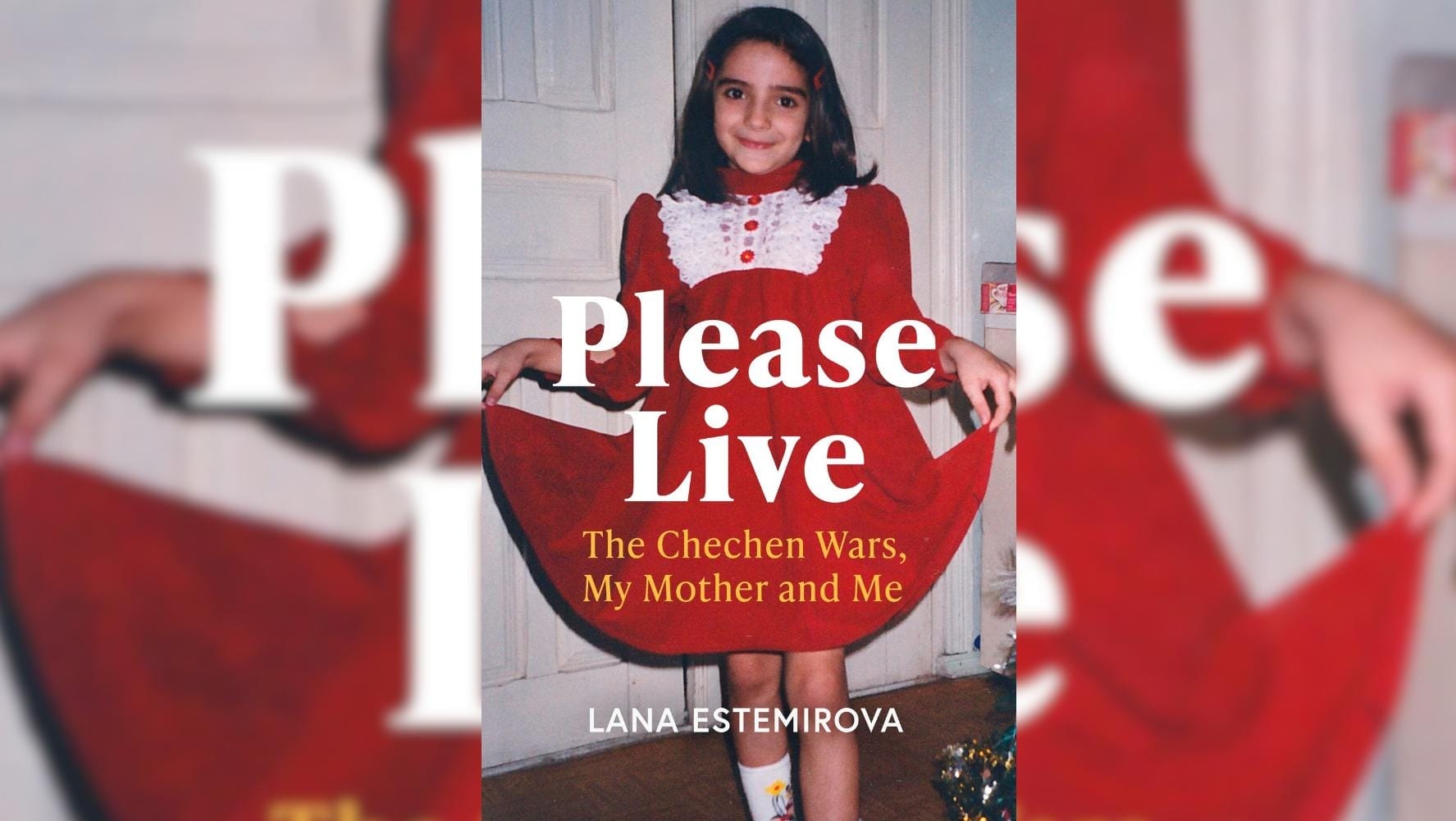
On June 17, the London Review Bookshop in England hosted a presentation of Lana Estemirova's book "Please Live: The Chechen Wars, My Mother, and Me," about human rights activist Natalia Estemirova. The book was published in English. The author hopes that it will eventually be translated into Russian, but first—and Lana emphasizes this is a matter of principle—she plans to publish her memoirs in Ukrainian.
Natalia Estemirova, an employee of the Memorial Human Rights Center (designated a foreign agent and liquidated in Russia), documented cases of abductions, torture, and extrajudicial executions in Chechnya. She was abducted on July 15, 2009, near her home in Grozny. Her body was found the same day in Ingushetia, near the village of Gazi-Yurt. She had been shot in the chest and head. Shortly before her death, she received threats personally from Ramzan Kadyrov. The murder was not investigated, and the victims' lawyers were unable to even gain access to all the case materials. Oleg Orlov, head of the Memorial Human Rights Center, claimed Kadyrov's personal or indirect guilt in Natalia Estemirova's death and was sued for defamation, but the court acquitted him.
In August 2021, the ECHR ruled that the Russian authorities were responsible for the failure to investigate the crime and awarded Natalia Estemirova's sister 20,000 euros in moral damages. However, the European Court refused to find the Russian authorities directly responsible for the human rights activist's murder, stating that there was no clear evidence to support this.
Lana Estemirova was only 15 years old at the time of her mother's death. In an interview with the British newspaper The Guardian, she recounted that three years later, when she was last in Grozny, she promised to write a book about her at her mother's grave—so that "she would be remembered, and her killers would disappear like ghosts."
The work took her over 10 years. The title, "Please Live," comes from a text message Lana sent after her mother disappeared.
The blurb claims the book is a guide to the bloody history of Chechnya. However, those attending the presentation noted that the narrative centers on the relationship between a daughter and a single mother who is completely devoted to her work while also trying her best to ensure her child has a happy childhood. One episode recounts how Natalya Estemirova cut up her daughter's stuffed animal and hid videotapes containing recordings of the aftermath of atrocities inside it, in order to smuggle them through checkpoints. After Natalia's murder, her colleagues helped Lana move to the UK, where she graduated from the London School of Economics and Politics with a degree in international relations, got married, and gave birth to a daughter, whom she named after her mother.
After the outbreak of the Russian-Ukrainian war, The Guardian published Lana Estemirova's article "Putin's Terror Playbook: If You Want a Picture of Ukraine's Future, Look to My Home, Chechnya," in which she recalls the mass killings in the Chechen villages of Rigakhoy, Samashki, Novye Aldy, Katyr-Yurt, and Komsomolskoye.
On June 8, Mark Franchetti's documentary "Natasha," about Estemirova, premiered at the Tribeca Film Festival in the US. "When you're directly threatened and you know you could be killed, what drives you, why don't you stop?"—that's how the director, who personally knew Natalia Estemirova from her work in Chechnya, described the film's central message.