The European Commissioner for Human Rights called on the Georgian authorities to withdraw amendments to the Law on Grants that restrict NGO freedom
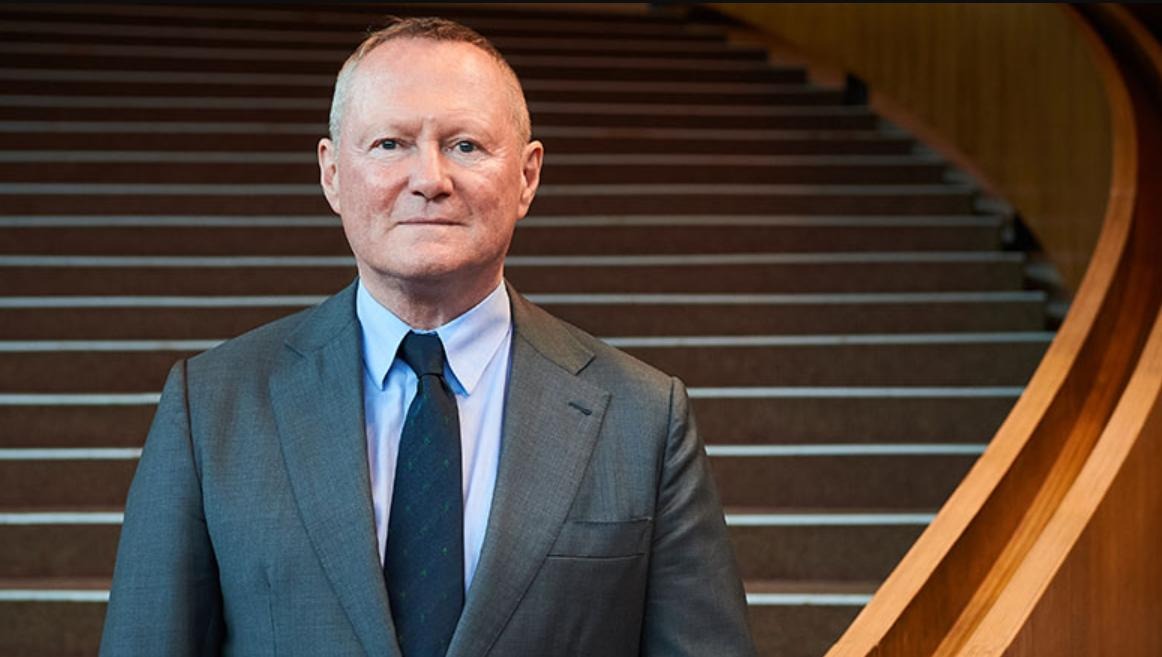
European Commissioner for Human Rights Michael O'Flaherty commented on the ruling party of Georgia's plan to adopt amendments to seven different laws, including the Law on Grants. The European official is convinced that these amendments will further restrict the ability of non-governmental organizations in the country, particularly in terms of receiving grants.
O'Flaherty recalled that these proposals are incompatible with Georgia's obligations to guarantee the right to freedom of association.
"I ask Parliament to reject these amendments and call on the authorities to reaffirm their commitment to protecting civic space and fundamental freedoms," the European Commissioner stated.
Speaking about the amendments expanding the requirement, which came into force in April 2025, for prior approval of foreign grants by the Georgian government, O'Flaherty notes that this requirement will now apply to foreign organizations based abroad that engage in Georgia-related activities, as well as to local offices of foreign NGOs.
According to him, the amendments reinforce a number of restrictive laws and regulations adopted since 2024 that have seriously undermined civil society in Georgia.
"As I recently noted, these laws raise serious questions regarding their compliance with the criteria of legality, legitimacy, necessity, and proportionality, as well as the principle of non-discrimination enshrined in Article 11(2) and Article 14 of the European Convention on Human Rights (ECHR)," O'Flaherty concluded.
This is the third round of tightening the Law on Grants. The first amendments were adopted under accelerated procedure in late February 2025. A state agency with the authority to issue grants to NGOs was created. For the second time, the country's parliament restricted the possibility of receiving financial revenue in June 2025—now, government approval is required for technical assistance and expert support.