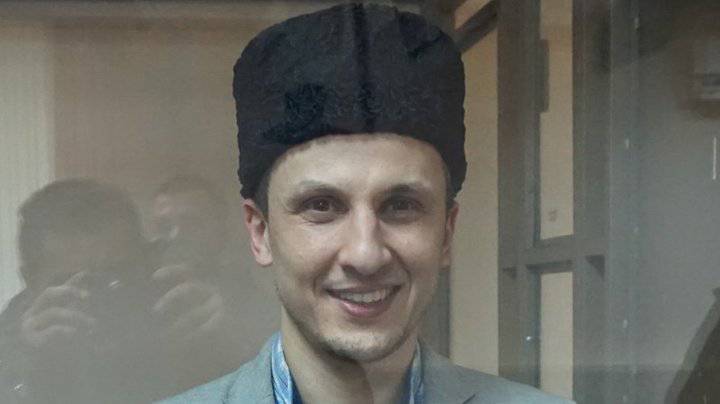
Freedom House calls for the release of a Crimean Tatar human rights defender sentenced to 14 years in prison
The international human rights organization Freedom House has once again drawn attention to the case of Crimean Tatar journalist and human rights defender Server Mustafayev, who is currently serving a 14-year sentence in a Russian maximum-security penal colony. The organization has urged the public to advocate for his release.
Oksana Markarova, Ukraine’s former ambassador to the United States, brought up Mustafayev’s case following a meeting with Freedom House Executive Director Michael J. Abramowitz (referred to in the source as Jamie Fly). She noted that they have long collaborated on efforts to secure the release of Ukrainian political prisoners, including Vladyslav Yesypenko, Nariman Dzhelyal, and Maksym Butkevych.
"All of our meetings, regardless of the specific topics discussed, have consistently touched upon our work to secure the release of our political prisoners," Markarova remarked.
She added that this joint effort will continue in Washington—with the involvement of the Ukraine House—as well as within Ukraine itself. A key objective remains drawing attention to Ukrainian citizens currently held in Russian custody.
Mustafayev served as a coordinator for the "Crimean Solidarity" movement, which provides legal, informational, and social support to the families of political prisoners. Since 2014, he had been monitoring the situation in Crimea and reporting on court proceedings that human rights advocates have described as politically motivated.
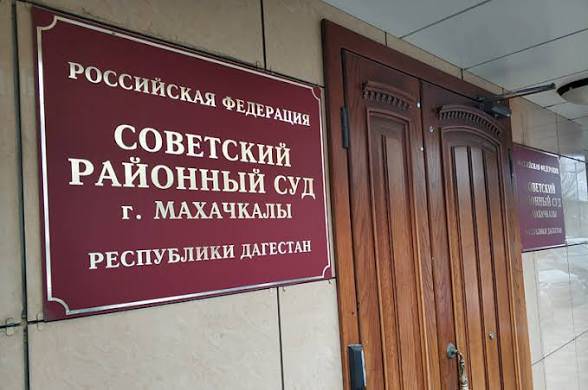
On May 21, 2018, following a series of searches, Russian security forces detained Mustafayev and Edem Smailov. On September 16, 2020, the Southern District Military Court in Rostov-on-Don sentenced Mustafayev to 14 years in a maximum-security penal colony, convicting him of involvement with the organization Hizb ut-Tahrir. On March 14, the Military Court of Appeal in Vlasikha rejected almost all of the defense’s appeals. In total, the case has involved more than 45 court hearings.
Hizb ut-Tahrir is an Islamic political party that the Russian authorities designated as a terrorist organization in 2003. Following the annexation of Crimea in 2014, Russia extended its legislation to the peninsula, and Crimean Muslims began to face prosecution on charges of involvement with this organization. Human rights defenders link these prosecutions, in part, to pressure exerted on Crimean Tatars who oppose the Russian occupation.