Armenian Prime Minister Nikol Pashinyan accused his predecessors—former presidents Levon Ter-Petrosyan, Robert Kocharyan, and Serzh Sargsyan—of concealing the truth about the Karabakh settlement from the Armenian people. At a briefing in Yerevan, the head of the Armenian government noted that all these politicians in opposition to the current government recognized Karabakh as part of Azerbaijan but did not disclose this information to the public.
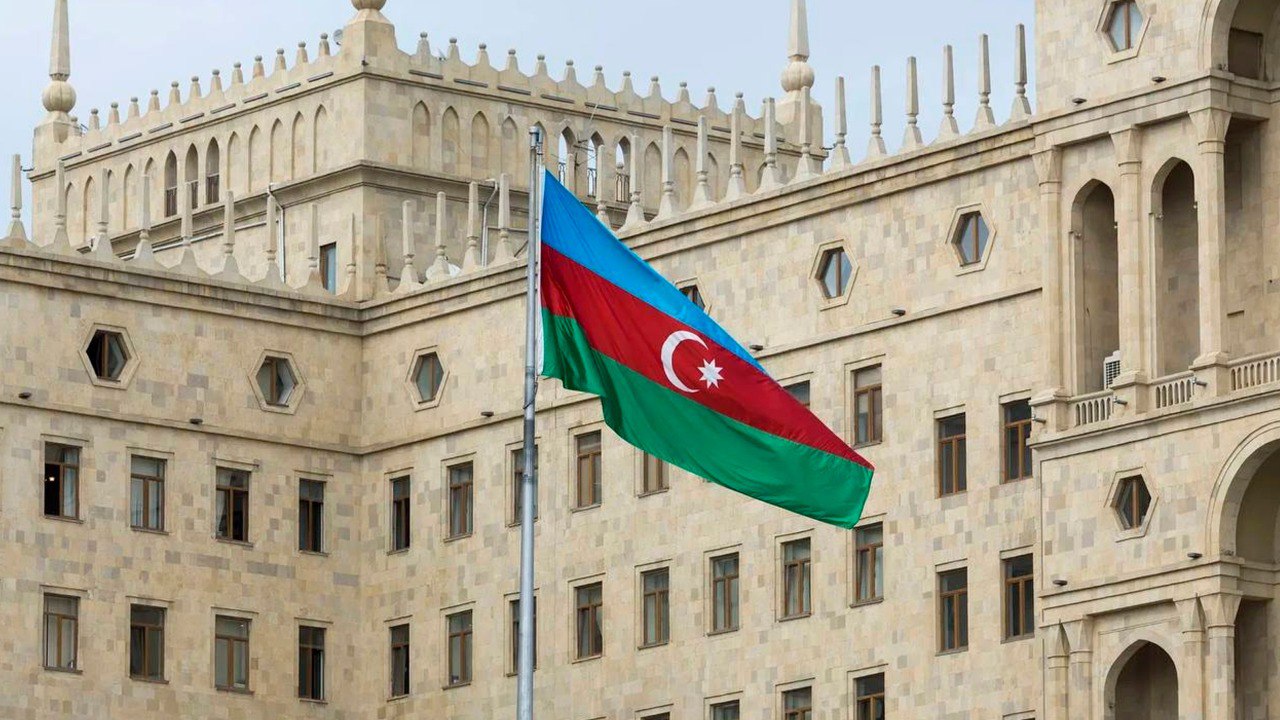
According to the international human rights organization Freedom House's "Freedom in the World 2026" report, authoritarian rule in Azerbaijan, centered around President Ilham Aliyev and his family, has continued to strengthen for two decades.
It is noted that since 2003, the head of state has consistently expanded his powers, eliminating presidential term limits and weakening the independence of the courts and media. As a result, Freedom House emphasizes, corruption has deepened, and state-owned resources have become a source of enrichment for the ruling elite.
According to the organization, oil revenues are used to maintain power, while state media discredits the opposition. When these methods fail, the Azerbaijani regime resorts to repression: journalists, human rights defenders, and opposition figures are arrested and persecuted. According to the report, Azerbaijan has remained a "not free" country since 2002, with its score falling from 33 to 6 out of 100 over two decades.