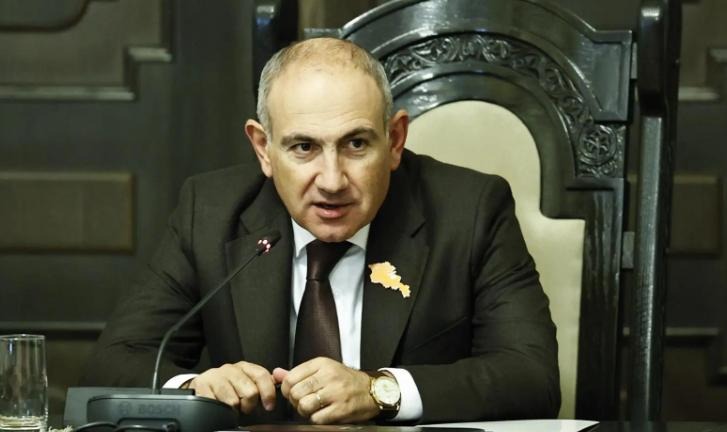
Irakli Kobakhidze: Georgia and Ukraine have a long history of friendship
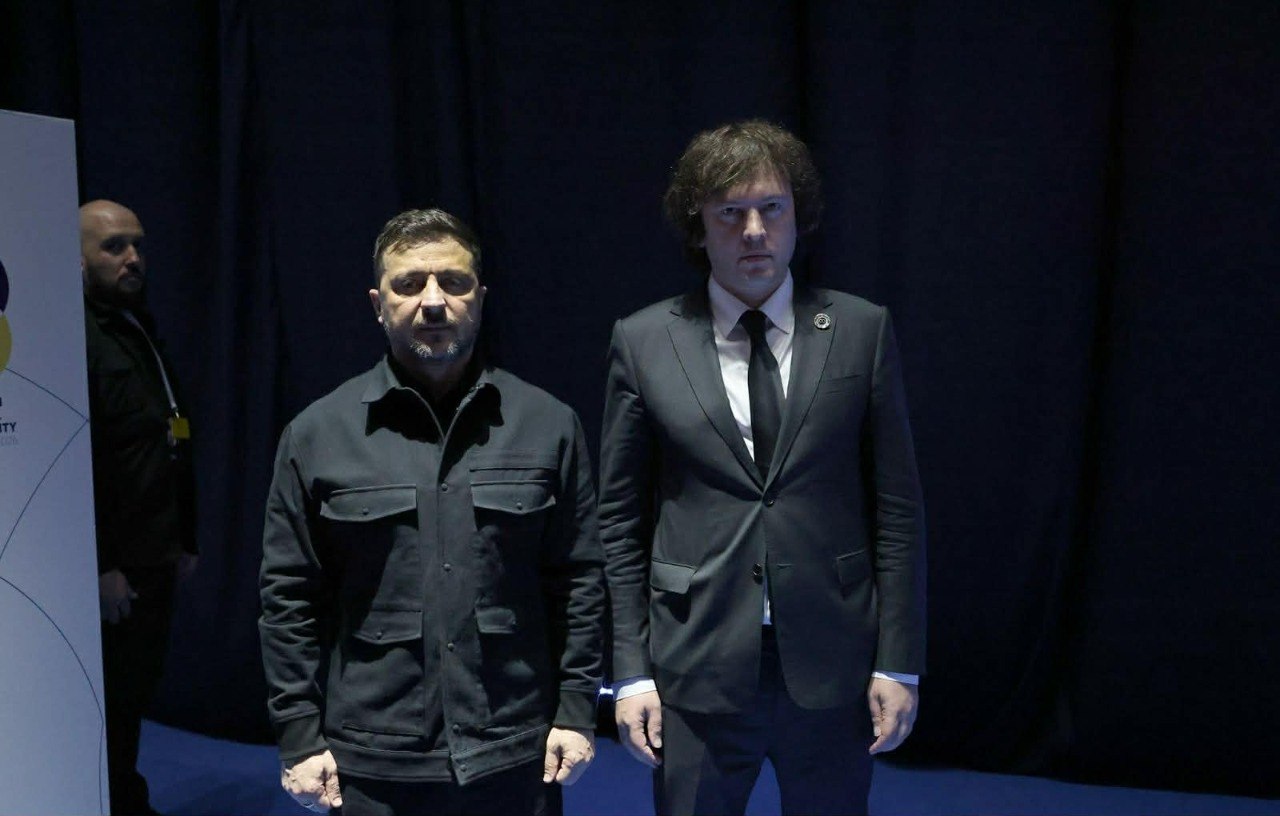
Georgian Prime Minister Irakli Kobakhidze expressed Tbilisi's readiness to take all necessary measures to restore ties with Ukraine as much as possible. Following a meeting with Ukrainian President Volodymyr Zelenskyy in Yerevan, the Georgian politician emphasized that, despite existing difficulties, relations between the countries have a long history of friendship.
"Certain difficulties have accumulated, but we are bound by a long history of friendly and partnership relations. Based on this, we are ready to do everything possible to restore these ties as much as possible. We can take all reasonable steps," Kobakhidze stated.
He also emphasized that the Georgian government sympathizes with the Ukrainian people, who are going through difficult times during the war and facing serious economic and social challenges.
"We express our full support for the Ukrainian people. Naturally, we are interested in maintaining friendly interstate and intergovernmental relations. Let's see how things develop." "We are ready," the prime minister added.
It should be noted that Kobakhidze's meeting with Zelenskyy took place on May 4 in Yerevan on the sidelines of the 8th European Political Community Summit. Kobakhidze described the conversation as closed, but overall friendly and substantive.
The dialogue took place against the backdrop of worsening relations between Tbilisi and Kyiv. Previously, Georgian authorities had repeatedly stated that certain members of the Ukrainian leadership had called for opening a "second front" against Russia, which, according to Tbilisi, created political pressure and threatened to draw Georgia into the conflict. The authorities, represented by the ruling Georgian Dream party, claimed that such demands came from the leaders of the European Union and Ukraine and, under their influence, from the Georgian opposition.