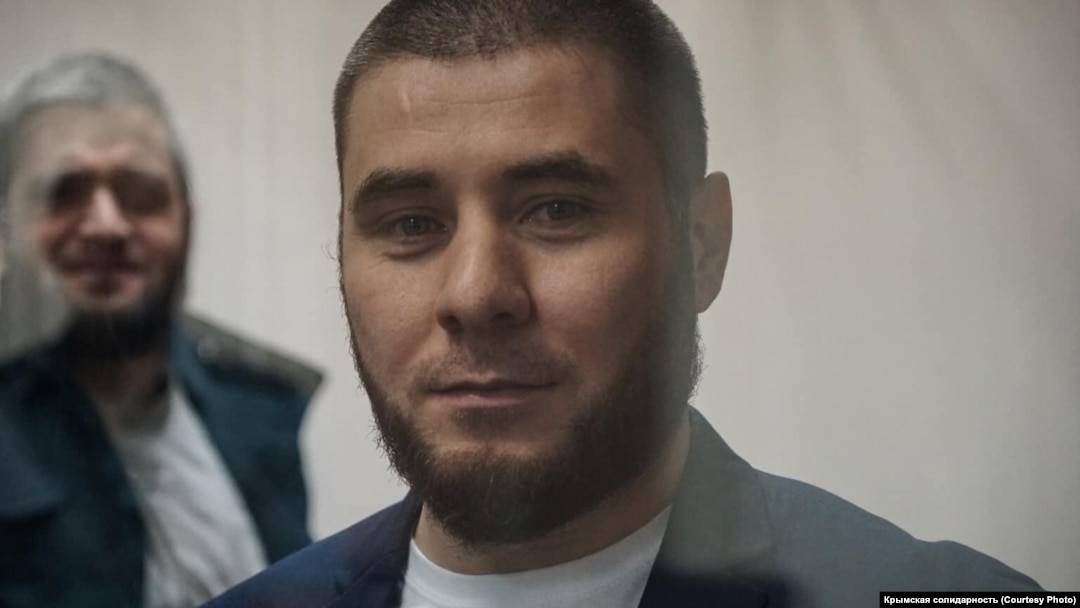
Conditions of detention for Crimean Tatar Memet Belyalov in a Karelian penal colony have once again been tightened
Memet Belyalov, a Crimean Tatar political prisoner and activist with the "Crimean Solidarity" human rights movement, has once again been transferred to a strict-regime barracks at Penal Colony No. 9 in Petrozavodsk. Prior to this, he had spent three months in a cell-type unit (PKT). This was reported by *Suspilne Krym*, citing Belyalov's relatives.
According to his family, Belyalov has been held under strict conditions for over a year—ever since his transfer to the colony in the summer of 2025. He is prohibited from making phone calls to relatives or working, so communication with loved ones takes place solely through letters.
Correspondence undergoes a lengthy screening process. On September 25, Belyalov received a batch of letters from his family all at once; they had been held for review for about two weeks. However, some messages—specifically those in which relatives asked for details about his health and conditions of detention—were withheld from him.
Belyalov had previously complained of a cough and leg pain. His relatives also reported that he had lost a significant amount of weight in the colony, although he has recently begun to gradually regain it. A medical parcel sent by his family has not yet reached him.
Belyalov was detained following mass raids conducted by Russian security forces on October 11, 2017, in Bakhchysarai. The operation targeted the homes of six Crimean Tatars who were subsequently accused of involvement with Hizb ut-Tahrir, an organization banned in Russia.
On September 16, 2020, the Southern District Military Court in Rostov-on-Don sentenced Belyalov to 18 years in prison. He is a defendant in the so-called "second Bakhchysarai case."
During his imprisonment, the penal colony administration has repeatedly imposed disciplinary measures against him: Belyalov was sent to a punitive isolation cell, after which he was transferred to a cell-type unit and placed under strict detention conditions. He had also previously reported losing 15 kilograms of weight, as well as suffering from joint pain and dental problems.