Moscow has allowed Armenia's voting rights in the CSTO to be revoked at the November summit
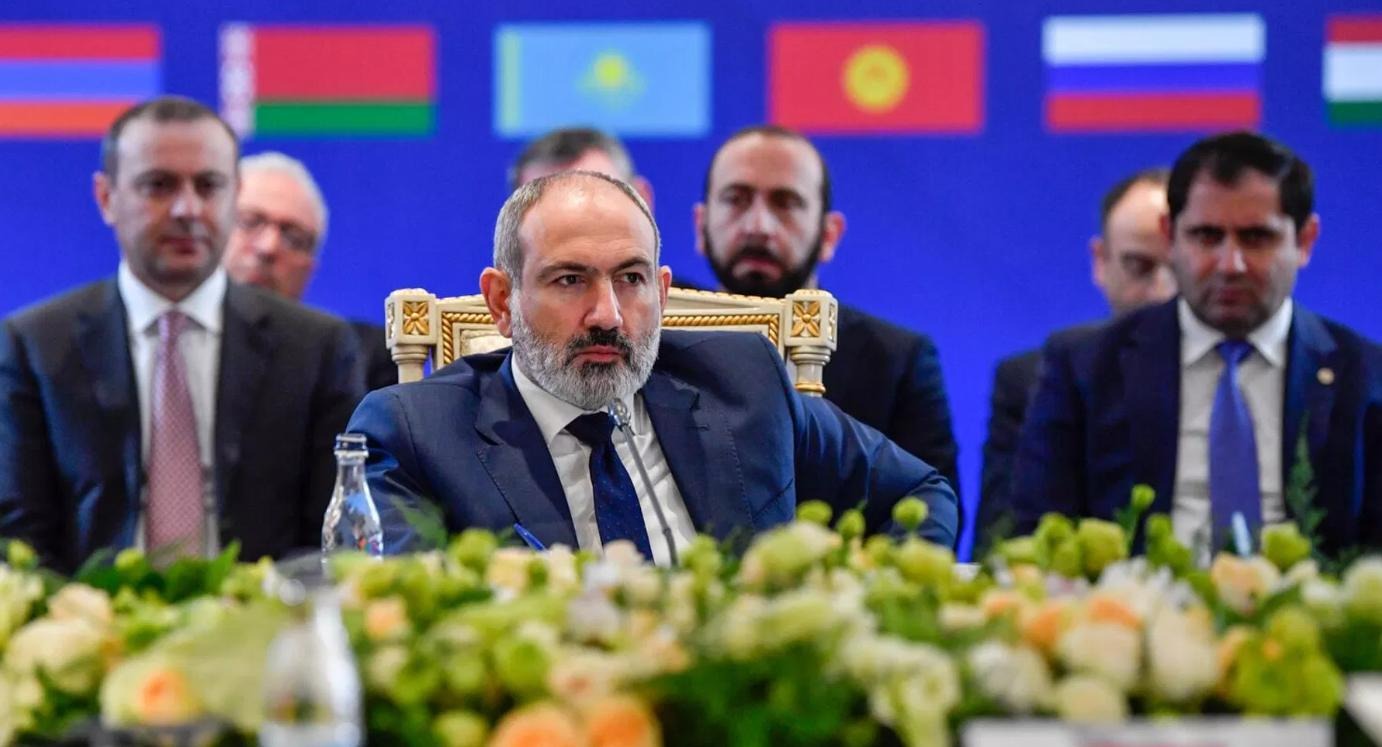
CSTO leaders may consider revoking Armenia's voting rights in November. A meeting of the Collective Security Council will be held in Moscow on November 11, RIA Novosti reported, citing Viktor Vasilyev, Russia's Permanent Representative to the CSTO.
According to him, if the issue is brought up for consideration, a decision can only be made with the consent of all member states.
"The next session of the CSTO Collective Security Council will be held in Moscow on November 11, and the leaders will likely discuss this issue. A decision on it, if necessary, will be made by consensus," Vasilyev said.
This marks the first time Moscow has publicly confirmed that sanctions against Yerevan could be submitted to the CSTO's highest body for consideration.
The Russian Permanent Representative explained that such a measure is provided for in Article 25 of the CSTO Charter. It allows for the restriction of a state's voting rights if it fails to meet its financial obligations to the organization's budget for two years.
At the same time, Vasilyev notes, Armenia has not effectively participated in the work of certain CSTO structures for over two years.
"De facto, this situation has been in place for over two years, as Armenia does not nominate its citizens for quota positions in the Secretariat and has also withdrawn its representatives from the CSTO Joint Staff," he added.
Yerevan's relations with the CSTO began to deteriorate following the escalation of tensions on the Armenian-Azerbaijani border. In 2024, Prime Minister Nikol Pashinyan announced the suspension of the country's participation in the organization. He explained this by citing the allies, in the Armenian side's view, for failing to fulfill their obligations under the Collective Security Treaty in 2021-2022. Following this, Yerevan decided to "freeze" its participation in the organization.
Back in June, Russian Foreign Minister Sergey Lavrov stated that, due to Armenia's lack of mandatory contributions, the CSTO could invoke the provisions of its charter, which provide for measures against countries that fail to fulfill their obligations.
The CSTO includes Russia, Belarus, Kazakhstan, Kyrgyzstan, Tajikistan, and Armenia, but Yerevan has effectively ceased participating in the organization's work for over a year.