Chechnya Allocates Additional 505 Million Rubles to Help Flood Victims
Authorities in Russia’s Chechnya have allocated an additional 505 million rubles from the regional budget to provide payments to residents affected by devastating floods. The federal government has also allocated 320.7 million rubles to support agricultural producers who suffered losses. Recovery efforts following the spring floods have now continued for more than four months.
The additional funding was announced by Chechnya’s Prime Minister Magomed Daudov following a meeting of a government commission overseeing efforts to deal with the aftermath of the floods.
According to Daudov, 505 million rubles will be directed specifically toward assistance for affected residents. The federal budget has allocated another 320.7 million rubles to support agricultural producers who suffered losses as a result of the disaster.
The meeting also addressed the restoration of social, municipal, road and engineering infrastructure. Daudov said the work was continuing in cooperation with federal agencies.
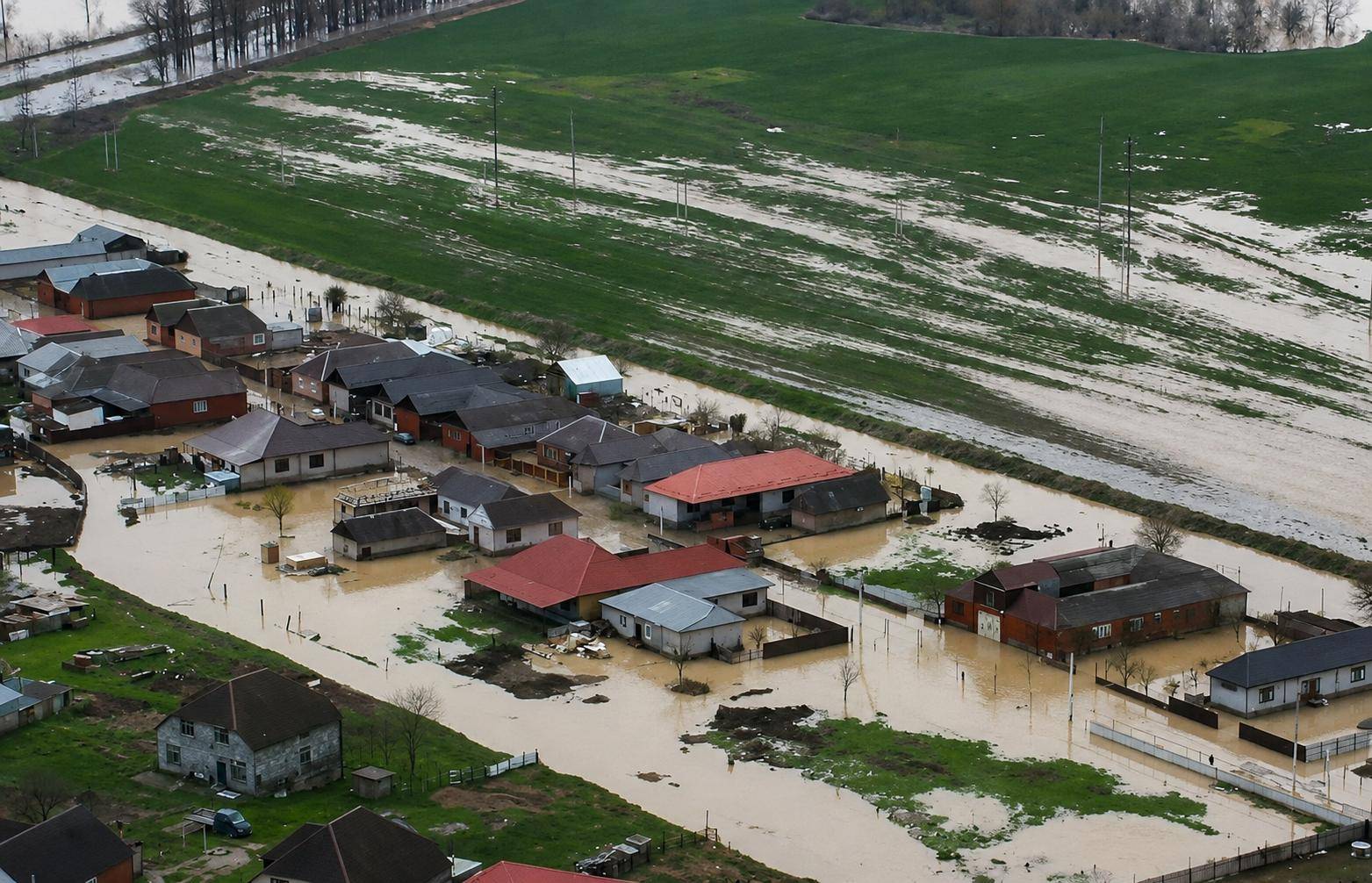
Severe flooding began in Chechnya in late March following prolonged heavy rainfall and became one of the most destructive natural disasters to hit the republic in recent years. According to authorities, 28 settlements were affected, and more than 1,000 people were evacuated from the worst-hit areas.
Initial damage estimates were revised several times. In early April, authorities reported that more than 3,000 homes had been damaged, with more than 100 completely destroyed. Later, following further inspections, officials said 2,648 homes in five districts had been classified as damaged. More than 12,000 residents applied for one-off financial assistance.
Infrastructure was also severely affected. The floods damaged 15 road bridges and 15 pedestrian bridges, as well as roads and public utilities. Landslides occurred in several settlements. In the village of Baytarki, three homes were completely destroyed and residents of another 10 homes were evacuated. Eight houses were damaged in the village of Ilskhan-Yurt in the Kurchaloy district.
Agriculture also suffered major losses. According to regional authorities, floodwaters destroyed more than 860 hectares of crops and around 130 tonnes of rice seed. The additional 320.7 million rubles from the federal budget was allocated specifically to support affected agricultural producers.
By mid-spring, authorities had identified at least 127 families as needing new housing. In Novoye Benoy and Gudermes, 143 houses were subsequently built for families who had lost their homes, with around 800 people expected to move into them. However, the independent outlet Kavkazsky Uzel reported, citing a local activist, that some residents had raised concerns about the quality of the houses, which had been built in less than a month and a half.
Questions also arose over compensation payments. Residents told Kavkazsky Uzel that authorities had moved relatively quickly to repair roads and bridges, while some people affected by the flooding were left to deal with damage to their homes and property themselves while they waited for the payments they were entitled to be processed.
As of July 3, according to the Chechen government, around 8,600 flood victims had received various forms of financial assistance. By mid-July, more than 81,000 people in Chechnya and neighboring Dagestan had received aid, with total payments to the two republics exceeding 2.9 billion rubles.
The spring floods were not the end of the problem. Further heavy rainfall in May caused new flooding in several parts of Chechnya. In Alkhan-Yurt, water entered at least five homes, while damage was also reported in the Sharoy and Shali districts. On May 22, severe weather damaged a railway bridge and disrupted train services between Argun and Khankala. Traffic on the Kavkaz federal highway was also restricted after a mudslide.
The newly allocated 505 million rubles from Chechnya’s regional budget represent another tranche of funding for dealing with the consequences of the disaster, recovery from which has been ongoing since late March.