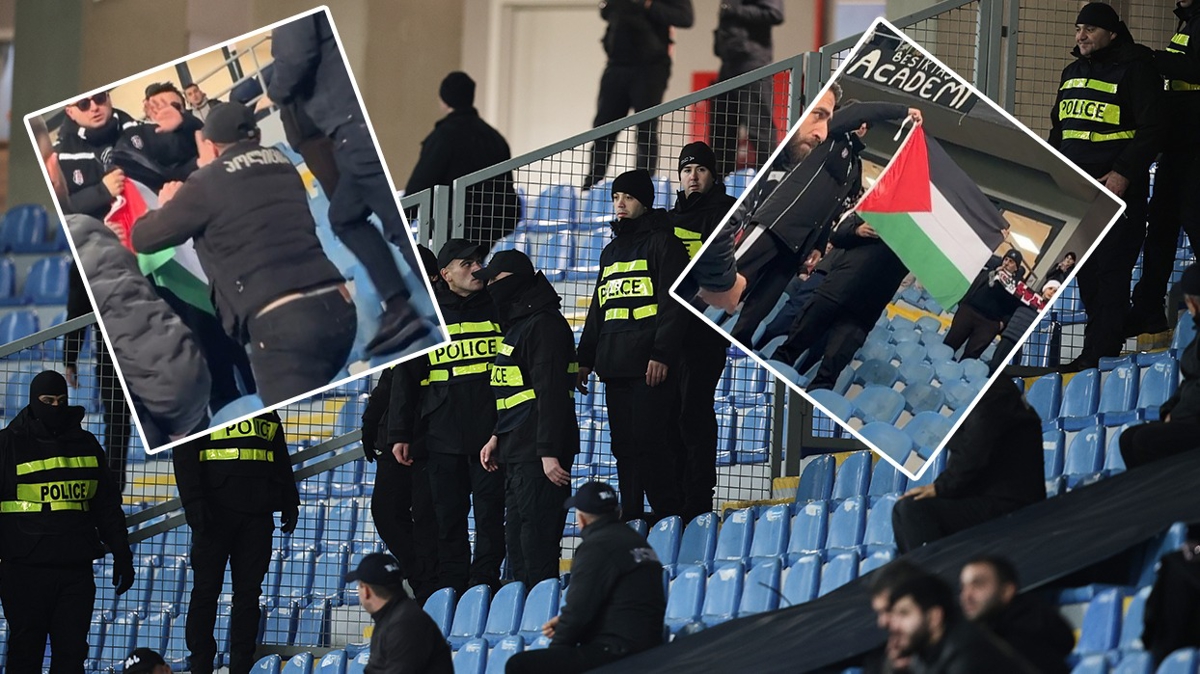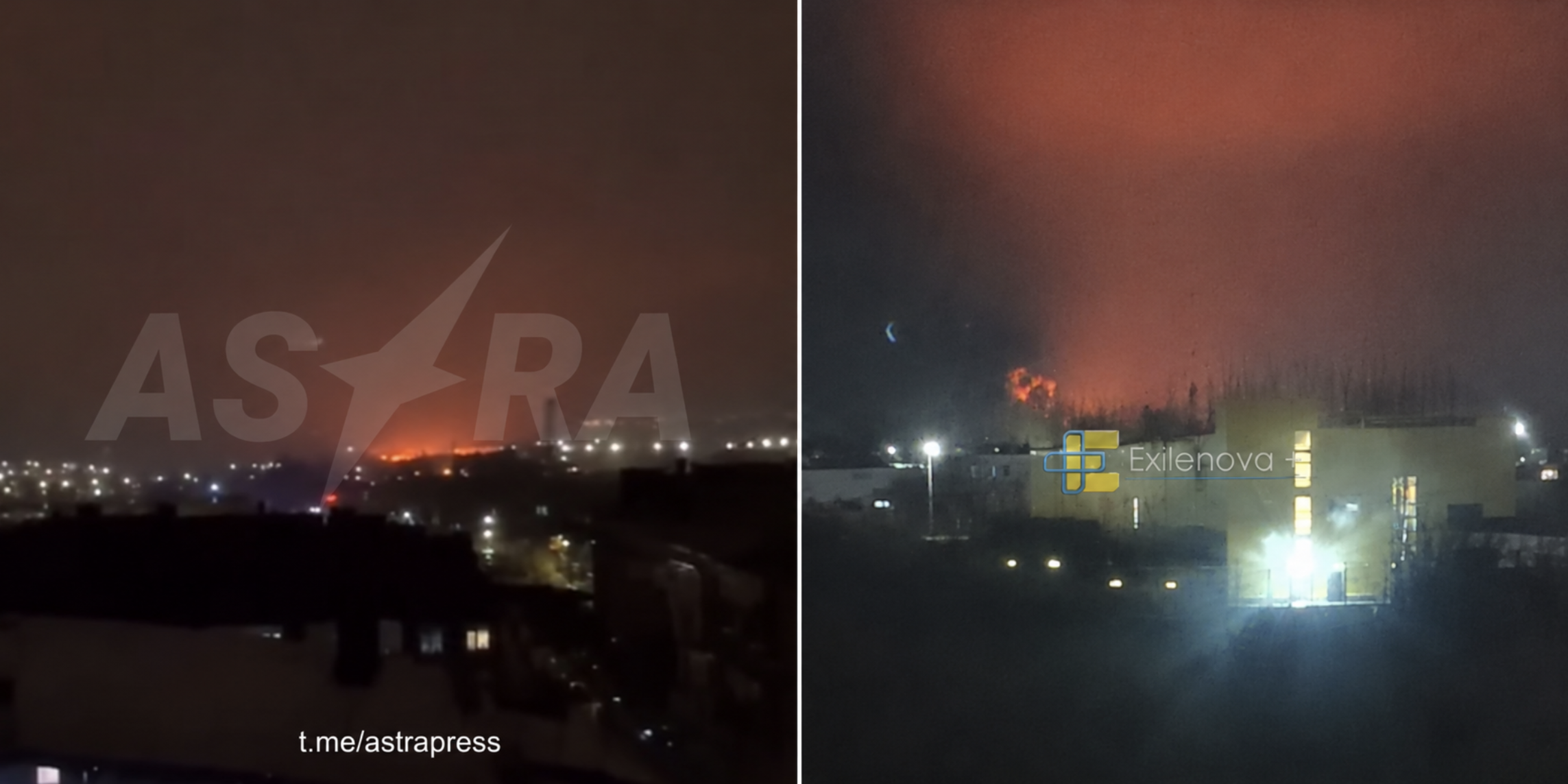
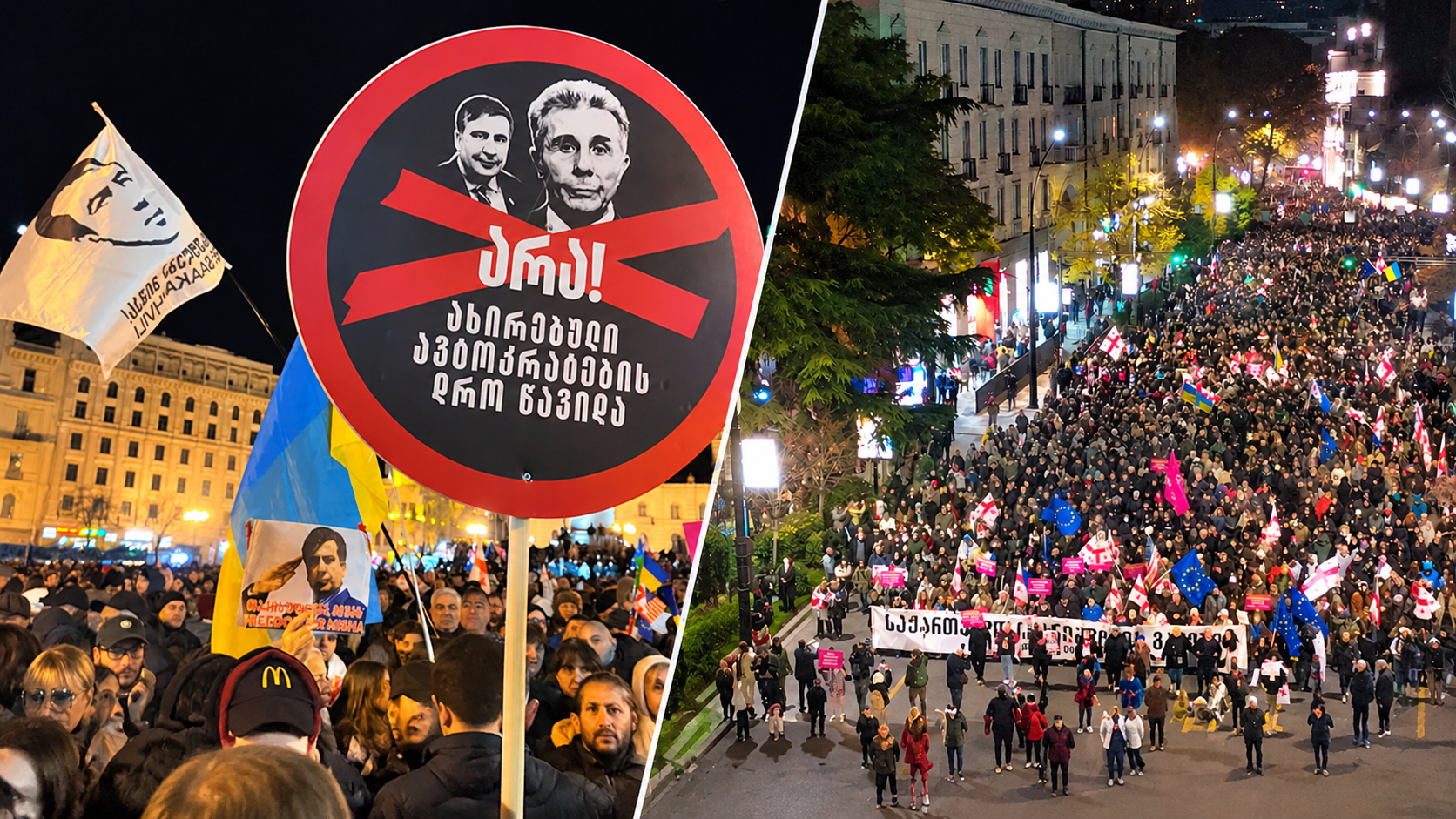
A large-scale anti-government demonstration is taking place in Tbilisi this evening, marking the second anniversary of the start of sustained pro-European protests. Over the past two years, hundreds of protesters have been detained, dozens have been imprisoned, relations between Tbilisi and Brussels have deteriorated sharply, and five leading opposition parties are facing a possible ban.
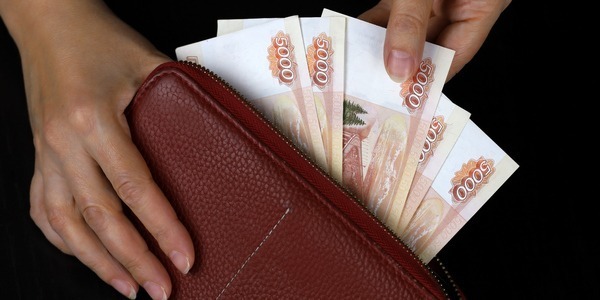
The lowest share of workers in Russia with salaries (before income tax) above 100 thousand rubles was recorded in Kalmykia and the North Caucasus Federal District. In Kalmykia the figure was 2% (724 people), in Ingushetia - 2.3% (1,135 people), in Kabardino-Balkaria - 2.3% (2,039 people), in Dagestan - 2.5% (7,097) , in Chechnya - 2.6% (4812), in Karachay-Cherkessia - 2.6% (1,410), in North Ossetia - 2.7% (2,341). This was reported by the audit and consulting network FinExpertiza.
On average in Russia, the percentage of workers with a salary of 100 thousand rubles or more is 17.4%. The maximum figure is typical for the Chukotka (62.6% of all employed) and Yamalo-Nenets Autonomous Okrugs (55.5%), Magadan Region (50.8%), Nenets Autonomous Okrug (46.7%), Moscow (45%), Sakhalin region (40.6%).
It is noteworthy that of the total number of highly paid employees in the country (4.8 million), almost a third (more than 1.5 million) are concentrated in Moscow.