Georgia's Opposition Accuses Prime Minister of Justifying Russia Over Remarks on the 2008 War
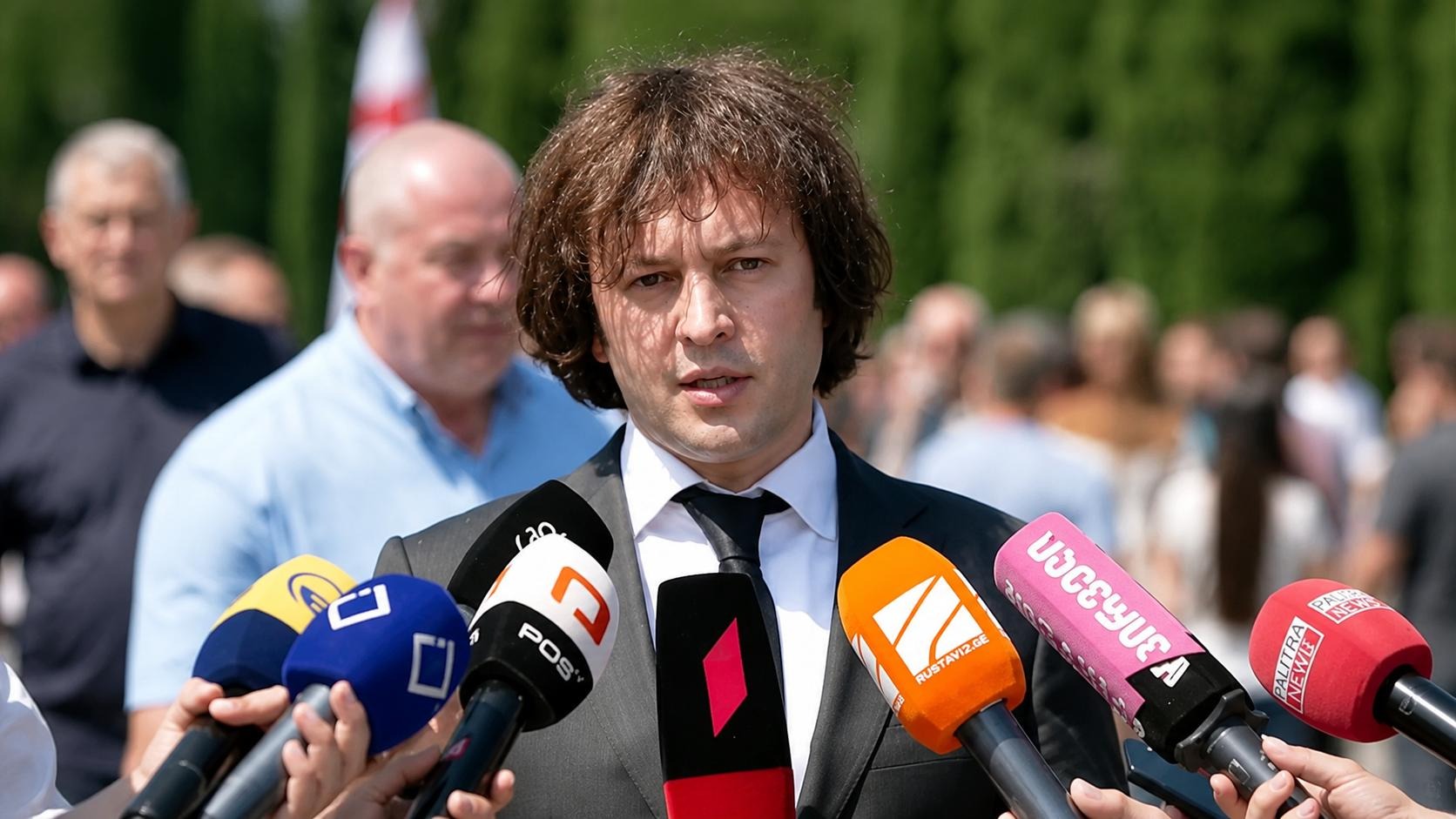
Georgia's opposition has sharply criticized Prime Minister Irakli Kobakhidze after he said the August 2008 war began on August 7, when Georgian forces attacked Tskhinvali. The Coalition for Change accused the prime minister of effectively repeating the Kremlin's narrative, while the United National Movement described his remarks as "a direct betrayal of Georgia's national interests."
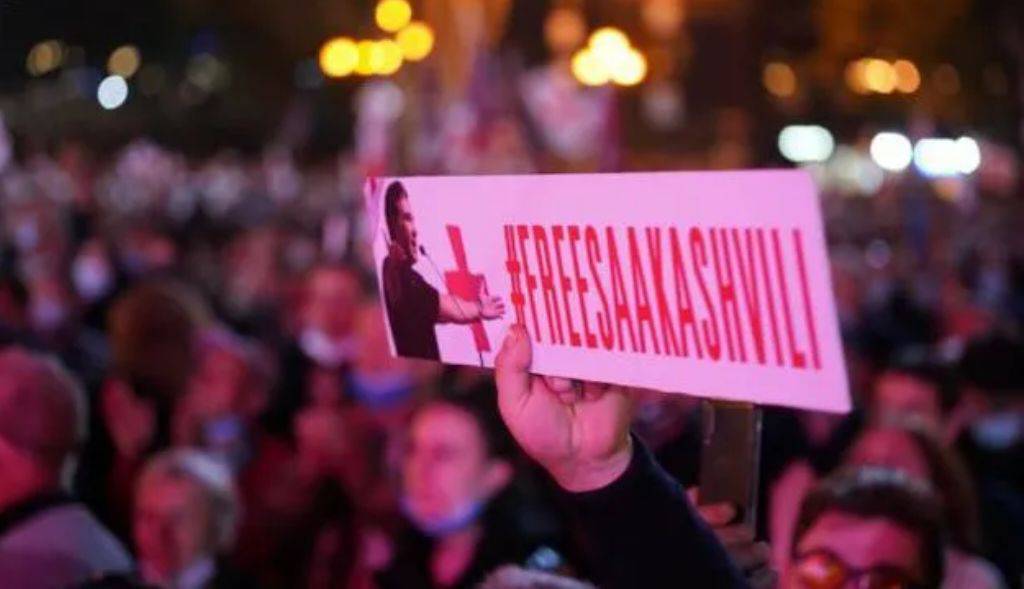
The controversy erupted on the anniversary of the war. Kobakhidze again placed responsibility for the outbreak of the conflict on the government of then-President Mikheil Saakashvili. According to the prime minister, the country's leadership at the time "had no right to start the war" and committed a crime against its own people. Kobakhidze has previously referred to Saakashvili as a "traitor" and a "foreign agent."
The opposition argues that the dispute goes beyond differing interpretations of historical events and could have tangible political consequences.
The Coalition for Change said Kobakhidze had "deliberately distorted historical facts and legal assessments in contradiction to Georgia's national interests." The party argued that the most troubling aspect of the prime minister's remarks was that they echoed a narrative Moscow has promoted for years, placing responsibility for the outbreak of the war on Georgia.
According to the coalition, such statements could weaken Tbilisi's position internationally and provide Russia with additional arguments to challenge its responsibility for the consequences of the conflict.
"This statement, which contradicts Georgia's constitutional principles and the state's long-established position on the occupation, requires a strict political and legal assessment," the coalition said.
The United National Movement reacted even more forcefully, describing Kobakhidze's remarks as "treacherous" and referring to him as a representative of "the regime of Russian oligarch Ivanishvili."
"The statement by the so-called prime minister of the regime of Russian oligarch Ivanishvili that the Commander-in-Chief of Georgia started the 2008 war on August 7 constitutes a direct political justification for the occupation and the rapidly advancing annexation of Georgia's temporarily occupied territories by the Russian Federation," the party said.
The United National Movement also emphasized the location where Kobakhidze made the remarks. The prime minister spoke at a memorial honoring fallen Georgian soldiers, which the party described as "an insult" to those who died defending the country's independence.
Opposition leaders also linked Kobakhidze's comments to the broader policies of the ruling Georgian Dream party. They argued that revising the official interpretation of the war could eventually be used to challenge the findings of international courts and seek a reassessment of Russia's actions during the conflict.
At the same time, the Georgian state's own public messaging appeared less unequivocal. On the same day, Georgia's Foreign Ministry issued a statement marking the 18th anniversary of the war, once again describing Abkhazia and the Tskhinvali region as territories "illegally occupied" by Russia and calling on Moscow to withdraw its troops from Georgian territory.
"Russia, ignoring the fundamental norms and principles of international law, illegally occupied Abkhazia and the Tskhinvali region (South Ossetia) in August 2008, which are integral parts of Georgia's territory, and recognized them as so-called independent states," the ministry said.
The Foreign Ministry also called on Russia to comply with the August 12, 2008 ceasefire agreement, withdraw its armed forces, and ensure the safe return of internally displaced persons and refugees.