Papuashvili on the situation in Ukraine: This is the path the opposition proposed to us
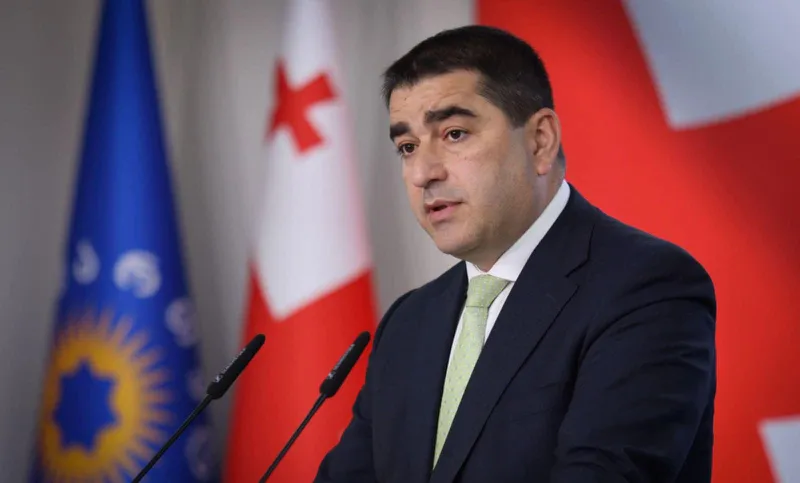
Speaker of the Georgian Parliament Shalva Papuashvili, commenting on the discussion of Trump's peace plan, emphasized that the European Union's position on this issue has become fundamental. He noted that on November 22, everyone heard for the first time from European leaders that any peace plan must require "agreement between Ukraine and Europe," not just Ukraine.
According to Papuashvili, this once again brings to mind the fact that some EU countries have their own interests in this war.
"We have also seen the reaction to President Zelenskyy's plan, saying that today the Ukrainian authorities are facing two difficult elections, which in reality is not a choice. The fact is that the Ukrainian authorities are in a position where they can neither continue nor end the war.
Whatever they choose, it will be difficult for the Ukrainian people. This was the path our opposition and NGOs, under external pressure, proposed to us, and the path they pushed us toward.
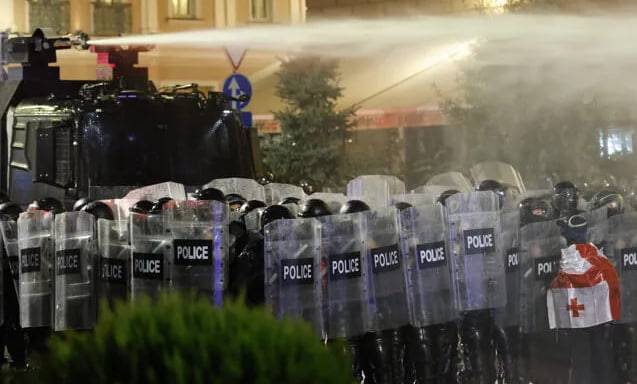
Let me remind you that in March 2022, they held rallies outside parliament demanding that we escalate the situation with a country that had started a major war after World War II. This is what they wanted—for Georgia to find itself in a similar situation. Given the size of our country, it wouldn't have taken so long. We would have been brought to exactly the same point.
Georgian society understands exactly what we were dealing with, what we were being pushed toward. The forces that wanted to drag Georgia into this war acted against Georgia's interests," the politician shared.
He also recalled that current US Secretary of State Marco Rubio "called this war a proxy war—a war waged by puppets." From this, according to Papuashvili, it follows that "the knots are unraveling," demonstrating the direct interest of certain European political groups in this conflict.
"If this is the EU's war, if their consent is necessary to end it, why aren't they fighting? Why isn't the blood of EU citizens being shed? Why are only Ukrainians bearing the brunt of it? Ultimately, this is a major wake-up call for everyone, to look at the reality of how international politics is conducted. No one will be concerned about the interests of our people," the speaker concluded.