Pashinyan: Georgia is a strategic 'bridge' for Armenia's European integration
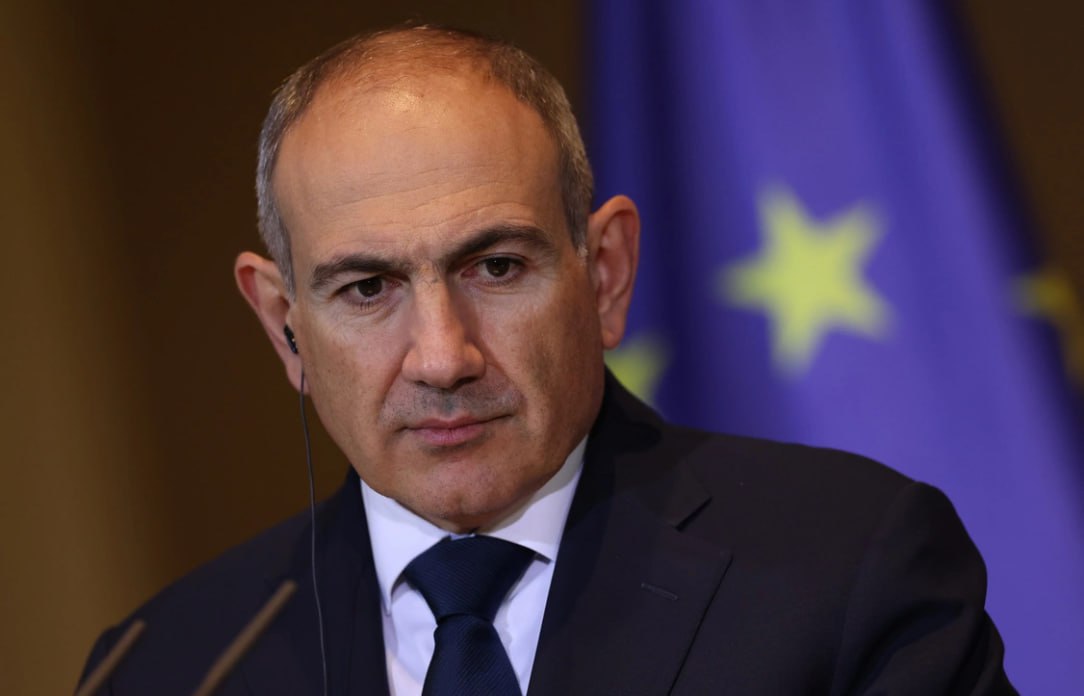
Speaking in the European Parliament, Nikol Pashinyan identified the lack of active dialogue between the EU and Georgia as the main obstacle to Armenia's European integration. According to the Prime Minister, Georgia is a strategic 'bridge', and its candidate status has prompted Yerevan to begin the EU accession process.
"For us, Georgia is a path to the European Union, and we adopted a law launching Armenia's EU accession process after Georgia received candidate status. We expect and ask for the constructive process between the EU and Georgia to develop. This is important for Armenia," Pashinyan said.
He also noted that peace with Azerbaijan opens new horizons for Yerevan to cooperate with the European Union, including infrastructure projects. The Prime Minister confirmed his intention to implement the South Caucasus TRIPP route, emphasizing that Armenia already uses transit routes through Azerbaijan.
Pashinyan's joint press conference with European Parliament President Roberta Metsola concluded with her statement that Europe sees Armenia as a "friend, partner, and ally." Metsola announced a new strategic agenda aimed at strengthening democracy, the economy, and security, as well as welcoming the EU's visa liberalization program.
On March 26, 2025, the National Assembly of Armenia approved the EU accession process, which was later signed by the president. Pashinyan noted that this step was intended to reduce foreign policy risks, but emphasized the need for compliance with European standards and the holding of a referendum on EU accession. Russia, in turn, warned Yerevan of the negative consequences of such actions for allied relations and integration processes in the region.