Pashinyan reminded the US of Trump's promise to help release Armenian prisoners in Baku
On November 17, during a meeting in Yerevan, Armenian Prime Minister Nikol Pashinyan asked US Deputy Secretary of State Alison Hooker what steps Washington was taking to free 23 Armenian prisoners in Azerbaijan. He cited a promise made to him personally by US President Donald Trump during their August meeting at the White House.
According to Pashinyan, when raising this issue, he briefed Hooker on what was being done bilaterally and asked her to "keep this issue top of mind."
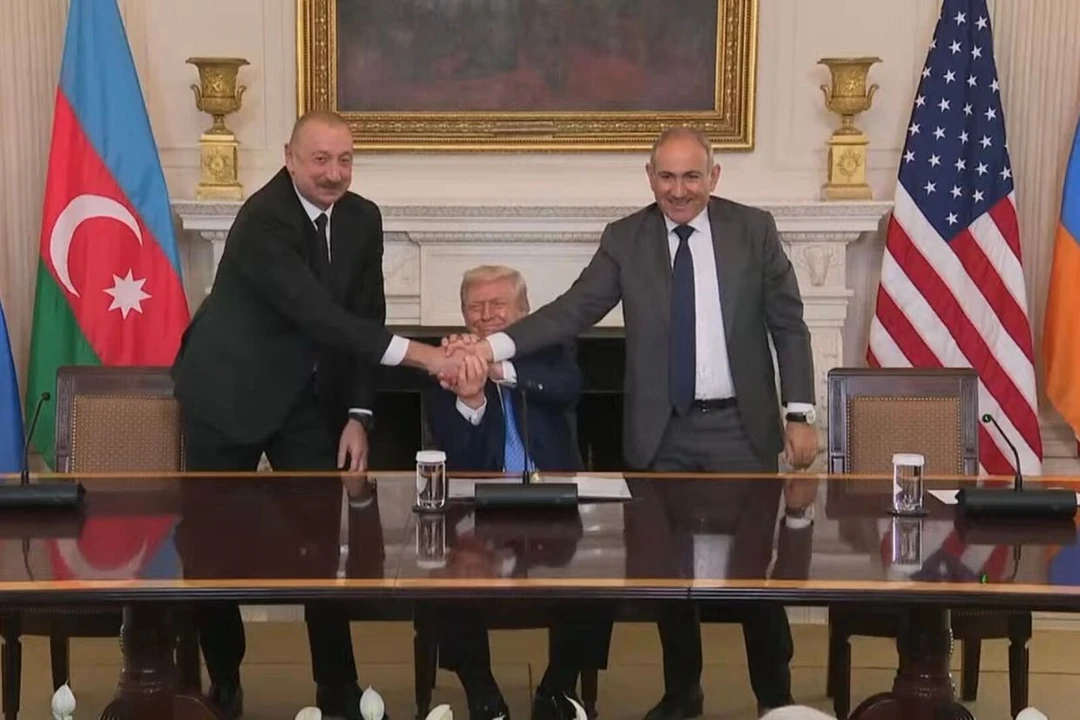
On August 8, during a meeting in Washington, Trump told Pashinyan that he intended to demand the release of 23 Christians detained in Azerbaijan and believed Baku would comply. It is unknown whether the US President has since raised the issue directly with his Azerbaijani counterpart, Ilham Aliyev.
According to Armenian media, Aliyev's foreign policy adviser, Hikmet Hajiyev, stated in late August that Baku could not fulfill Trump's demand to release prisoners. He reportedly objected to the term "Christian prisoners," which Yerevan used to describe the detainees.
Among the 23 Armenians in Azerbaijani custody are eight former political and military leaders of Nagorno-Karabakh.
Pashinyan has been repeatedly criticized by political opponents for failing to ensure the return of the prisoners. In response to the accusations, he emphasized that neither the peace agreement initialed in Washington nor the joint declaration signed by Trump, Aliyev, and Pashinyan oblige Baku to release the detainees.