Russian gas supplies to Armenia have resumed, contrary to forecasts of a complete halt

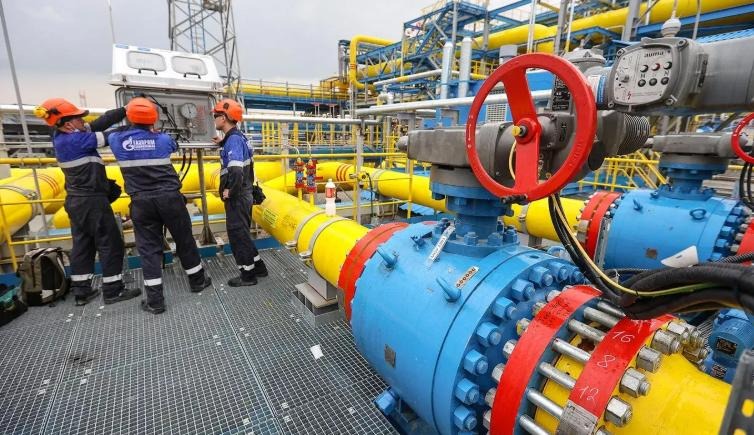
Russia has resumed natural gas supplies to Armenia via the North Caucasus–Transcaucasia trunk pipeline. Gazprom Armenia announced the resumption.

Flows had been halted on September 14 due to scheduled maintenance and repair work on the Russian section of the pipeline. During the suspension, Armenia met domestic demand using existing reserves and additional gas volumes from Iran.

Russian gas remains Armenia's primary source of imports. According to the country's Customs Service, supplies from Russia accounted for 82.4% of imported natural gas—totaling 2,229,697.4 cubic meters—in 2025. In 2024, the Russian share stood at 83.8%.

The resumption of supplies follows reports by the Armenian newspaper *Hraparak* regarding a potential total halt in Russian exports to Armenia starting November 1. Citing its sources, the publication claimed that Moscow might condition the continuation of supplies on Yerevan meeting a number of political demands.

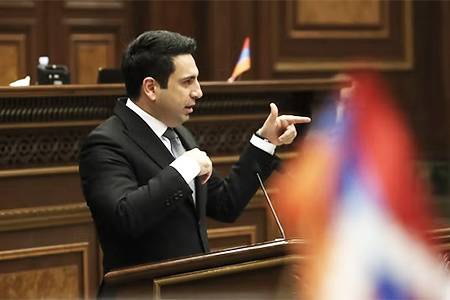
The newspaper listed the alleged conditions as including a refusal to discuss the future of the Russian military base in Gyumri, an end to the prosecution of pro-Russian politicians, and a halt to actions targeting companies with Russian capital. Additionally, according to *Hraparak*, Moscow might have demanded the appointment of a deputy prime minister acceptable to the Kremlin and sought clarity from Yerevan regarding further rapprochement with the European Union. As a reminder, on September 16, Armenian Security Council Secretary Alen Simonyan stated that the country intends to diversify its supply sources and does not wish to swap dependence on one supplier for dependence on another.
Simonyan said that Armenia is prepared to purchase gas from various suppliers—including Russia, Iran, Azerbaijan, and Turkey—should the opportunity arise.

Prime Minister Nikol Pashinyan has also spoken of seeking alternative sources, regardless of the price of Russian gas.
Последние новости
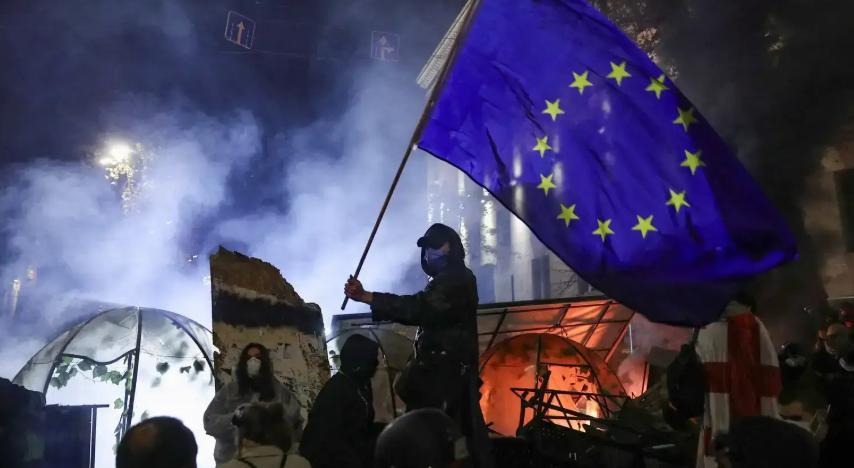
Three Georgian special forces officers have been sentenced to five years in prison each for assaults committed during pro-European protests
Human rights
Three Georgian special forces officers have been sentenced to five years in prison each for assaults committed during pro-European protests
13 November 2026

The three officers were convicted for attacking Guram Rogava, a journalist for the TV channel Formula, and Zviad Maisashvili, a participant in the demonstrations. The assaults took place in November 2024 on Rustaveli Avenue in Tbilisi, during the dispersal of protests against the authorities' decision to halt the country’s path toward European Union accession.

Politics
"Deprived of a voice where there was a deafening silence": Armenia reacts with irony to CSTO decision
13 November 2026

Secretary of the Security Council of Armenia Alen Simonyan has commented on the republic’s loss of its voting rights within the Collective Security Treaty Organization (CSTO), pointing to the alliance’s inaction during the escalation of the conflict with Azerbaijan.

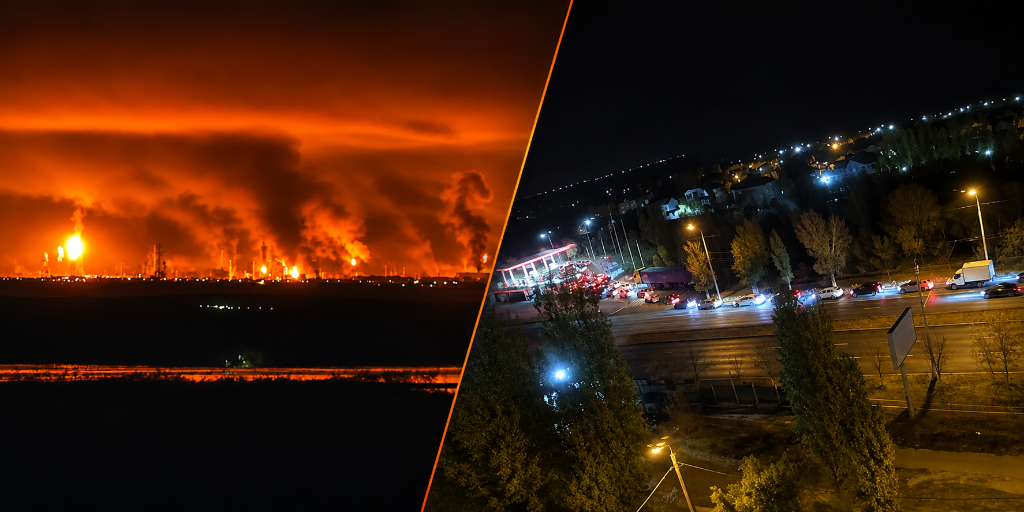
Oil refinery catches fire in Volgograd following drone attack; queues form at gas stations
Chronicle of Wars and Crimes
Oil refinery catches fire in Volgograd following drone attack; queues form at gas stations
13 November 2026

On the morning of November 13, the Russian Ministry of Defense reported that a massive aerial attack had been repelled. According to the ministry, 1,198 Ukrainian drones were "intercepted and destroyed" overnight over 17 Russian regions, as well as over occupied Crimea and the Black Sea. The affected Russian regions included the Astrakhan, Volgograd, and Rostov oblasts.

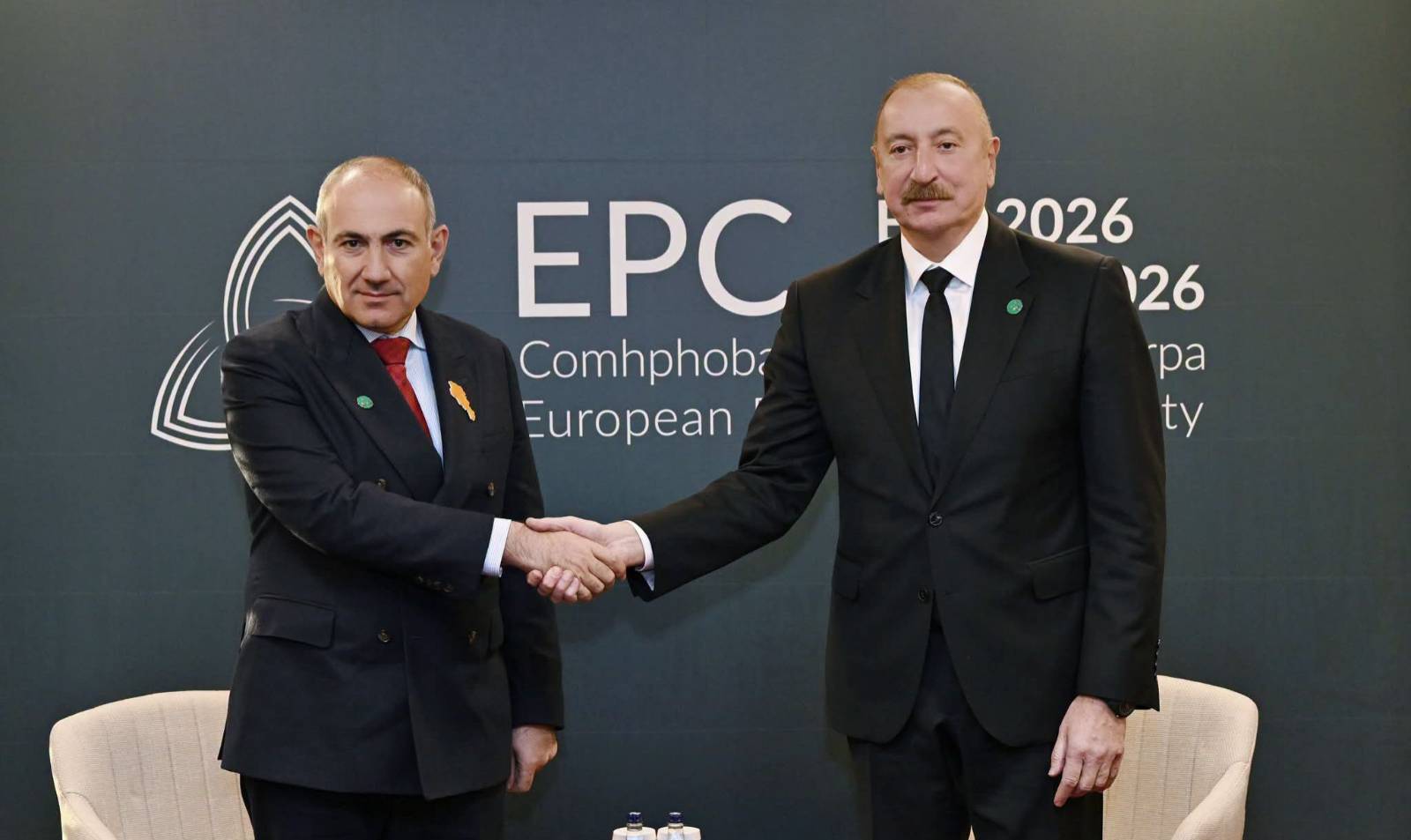
Aliyev and Pashinyan Discuss TRIPP in Dublin: Railways, Transit, and Trade
Politics
Aliyev and Pashinyan Discuss TRIPP in Dublin: Railways, Transit, and Trade
12 November 2026

On November 12, Azerbaijani President Ilham Aliyev and Armenian Prime Minister Nikol Pashinyan met in Dublin on the sidelines of the 9th summit of the European Political Community. The talks focused on the development of transport links between the two countries, the implementation of the TRIPP project, trade, and issues related to border delimitation.