Responsible Statecraft: Azerbaijan and Turkey Emerge as Beneficiaries of New Transport Corridors
Azerbaijan is strengthening its position as a key Eurasian transport hub amidst shifts in global logistics. This conclusion was reached by authors at *Responsible Statecraft* while analyzing the consequences of the conflict involving Iran and the restructuring of international trade routes.
According to the publication, military actions by the US and Israel against Iran, along with the closure of the Strait of Hormuz, caused significant turmoil in the global oil market and accelerated the search for alternative routes for transporting goods and energy resources. Against this backdrop, the "Middle Corridor"—passing through Central Asia, the Caucasus, and Turkey—has gained particular importance, as has the "Four Seas" initiative, designed to link the Persian Gulf with the Caspian, Black, and Mediterranean Seas via Syria and Turkey.
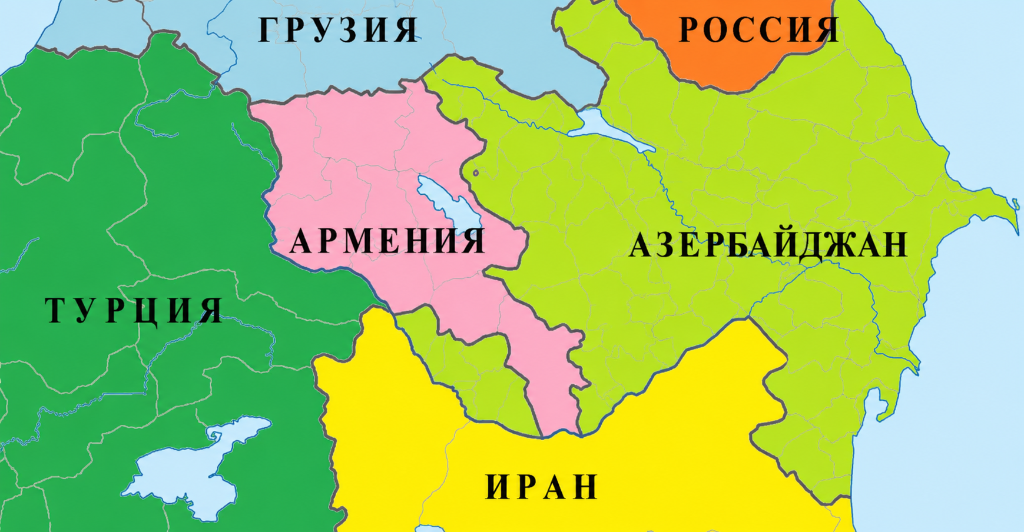
The authors note that Baku has also capitalized on the weakening of the Northern Transport Corridor and the new geopolitical landscape. Following the signing of a peace agreement with Armenia in 2025, Azerbaijan has—in their view—actively strengthened its standing as a vital regional logistics hub.
A key element of the agreements was the creation of a transport link between Azerbaijan’s mainland and Nakhchivan via Armenia—dubbed the "Trump Route." The authors believe this route will expand Azerbaijan's trade opportunities and foster closer ties between Central Asia and Turkey.
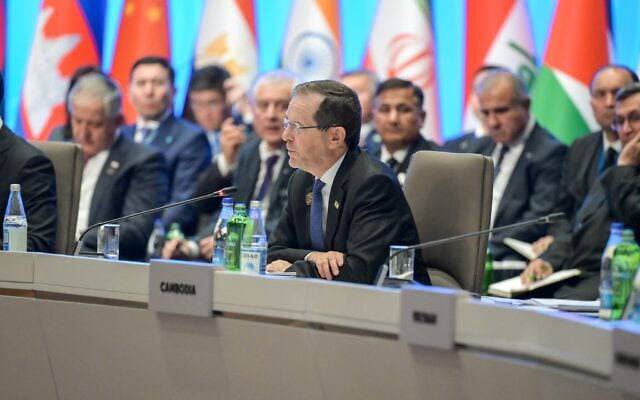
Furthermore, *Responsible Statecraft* points out that in 2025, Azerbaijan became the first state outside Central Asia to join the C5 summit, effectively transforming the format into a C6 grouping.
The publication identifies Turkey as the primary beneficiary of these unfolding changes. According to the authors, Ankara is finding itself at the center of new transport routes and strengthening its role as a key transit hub connecting Europe, Asia, the Caucasus, Central Asia, and the Middle East.