North Ossetia will not send children on vacation to Tuapse due to environmental concerns.
North Ossetia's head, Sergei Menyailo, has ordered that children from the republic not be sent on summer vacation to Tuapse following a series of drone attacks and fires at the city's oil facilities. He said the decision is primarily due to security concerns.
"We won't send children to places like Tuapse—after the oil refinery and everything else. Either other camps or school-related vacations will do," Menyailo said during a meeting with regional officials.
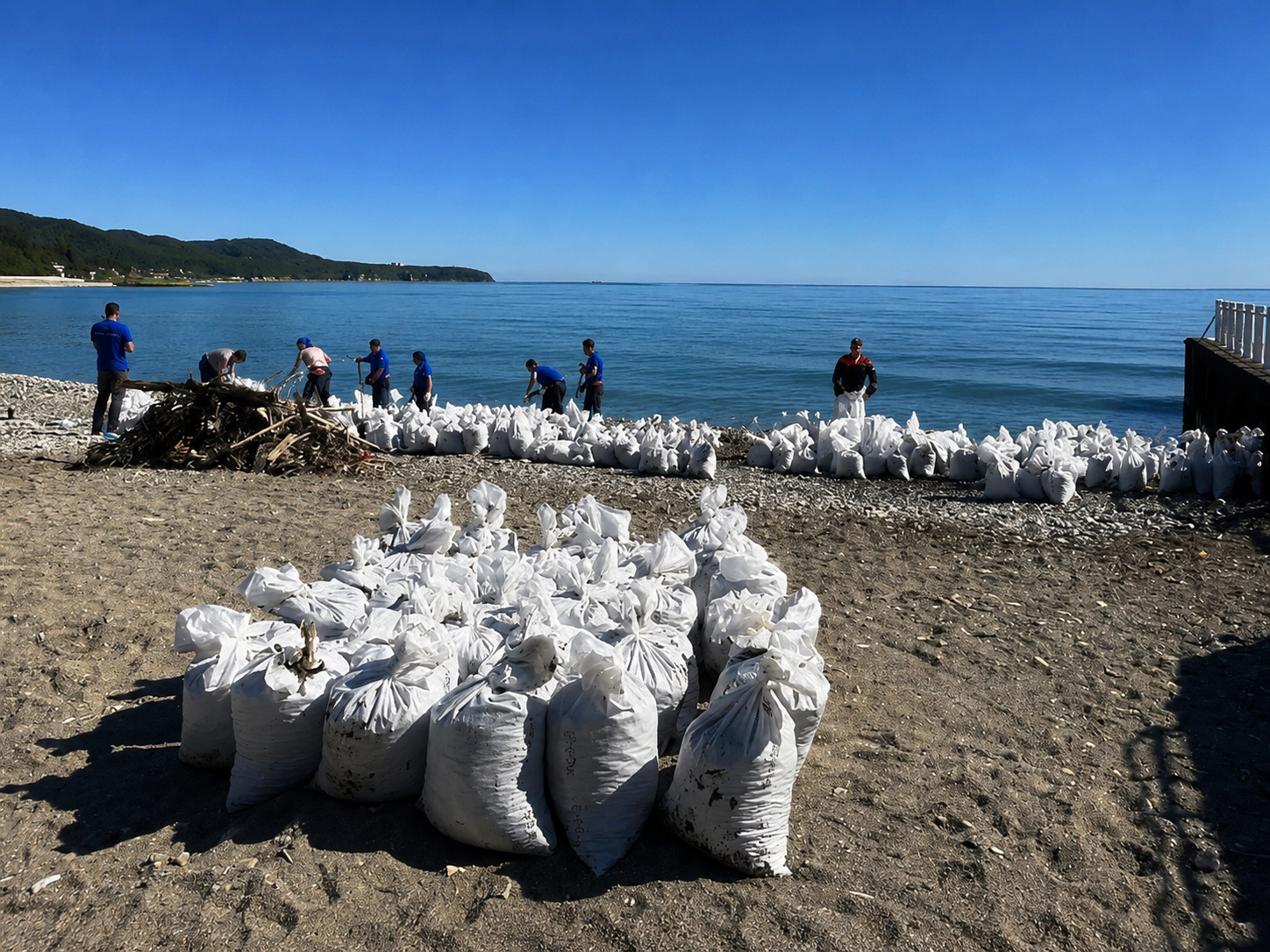
Since mid-April, Tuapse has been the target of several Ukrainian drone attacks. The oil refinery and marine terminal were hit. Following the strikes, large fires broke out in the city: fuel tanks burned, and petroleum products spilled onto the streets and into the river that flows into the Black Sea. As the situation worsened, Krasnodar Krai authorities declared a regional state of emergency in Tuapse on April 28.
The first attack occurred on April 16. The RN-Tuapse Marine Terminal, a Rosneft facility, caught fire. The fire took several days to extinguish. Drone debris damaged residential buildings, a school, and a music college. According to official reports, two children were killed and seven more were injured.
Four days later, the city was hit again. Drones attacked port infrastructure, reigniting the fire. Another person died that day, and two were injured. Additionally, an oil slick covering approximately 10,000 square meters was discovered in the Black Sea near the port.
On April 22, residents of Tuapse reported so-called "oil rain"—a dark, oily residue left behind on the streets and cars after the rainfall. The fire at the terminal was only fully extinguished on April 24.
On April 28, Rosneft's oil refinery was hit again. The fire at the refinery was extinguished for nearly three days. That same day, Vladimir Putin acknowledged that attacks on energy infrastructure could lead to "serious environmental consequences," although he emphasized that, according to local authorities, the situation was under control.
The latest attack near the marine terminal occurred on the night of May 1. This time, serious damage was avoided, and the fire was quickly extinguished. No casualties were reported.
According to Freedom Finance Global analysts, 24 of the refinery's 47 storage tanks were destroyed after the strikes on the Tuapse Oil Refinery. Experts believe that the refinery's downtime could reduce Rosneft's petroleum product exports by 8-10% in 2026.
The Tuapse Oil Refinery remains Russia's only oil refinery on the Black Sea coast. The SBU previously stated that the strikes on facilities in Tuapse were aimed at reducing Russia's ability to support military operations.