Supporters of an imprisoned opposition politician have accused the Baku pretrial detention center administration of tightening conditions
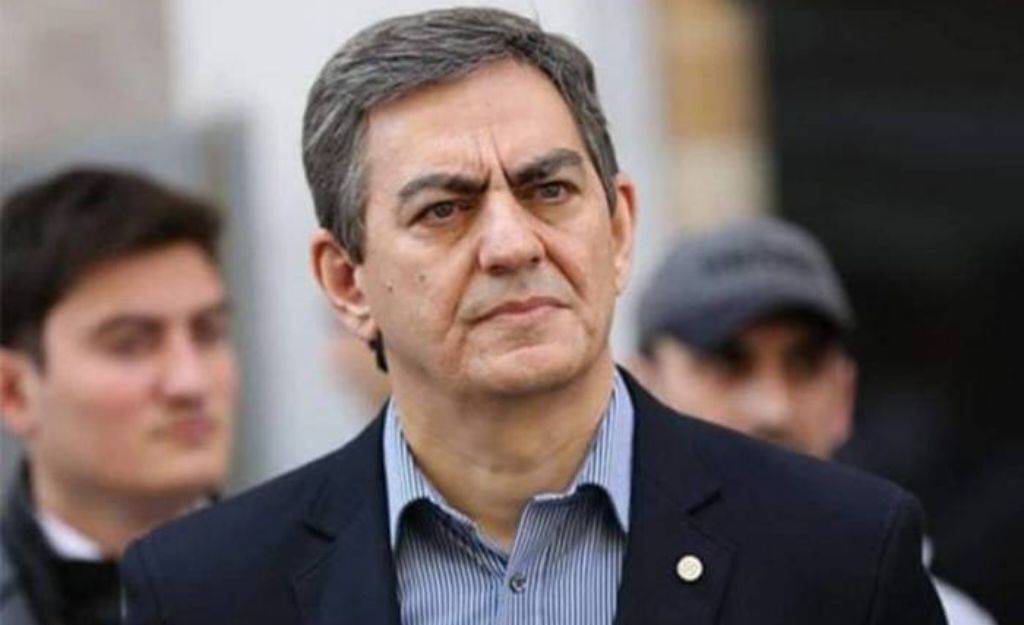
The Committee for the Protection of the Rights of Ali Karimli, leader of the Popular Front Party of Azerbaijan, has reported a continued deterioration in his conditions in the pretrial detention center. According to the politician's allies, for the past two months, he has been living in conditions that effectively deprive him of the opportunity to sleep normally, communicate with his family, and receive information.
The committee claims that a telephone is installed next to Karimli's cell, which rings every 15 minutes at night. During the day, members of the organization say ongoing renovations in the pretrial detention center courtyard are interfering with his rest.
These are just some of the complaints raised by Karimli's supporters. They report that the opposition leader has been prohibited from making phone calls and receiving visits from his family for approximately two months. Furthermore, he is being held in the same cell with someone the committee describes as having serious mental disorders. According to the organization, his cellmate regularly wakes up in the middle of the night, loudly reads religious texts, screams, and bangs his head against the wall, leaving the politician virtually deprived of sleep.
Kerimli's defense attorneys also claim that the pretrial detention center administration has stopped accepting food parcels, reduced outdoor exercise time, and banned him from receiving newspapers, magazines, and materials from the media and social media. They also note that the cell bathroom has not been cleaned for three weeks.
The committee members believe that all these measures are systemic and aimed at exerting psychological and physical pressure on the politician. They called on international human rights organizations to intervene and seek the creation of an independent commission to monitor his conditions of detention.
A lawyer cited by the committee believes that the circumstances described may fall under Article 3 of the European Convention on Human Rights, which prohibits torture and inhuman or degrading treatment. According to him, regular sleep deprivation, unsanitary conditions, restrictions on contact with family, access to information, and outdoor activities could be considered a violation of the state's international obligations.
Ali Karimli was detained in late November 2025 along with Mammad Ibrahim, a member of the Popular Front Party's presidium. The leader of the Azerbaijani opposition has been charged with actions aimed at the violent seizure of power. Karimli denies the charges, calling the prosecution politically motivated.
In June, the politician had already filed a lawsuit against his right to telephone calls. Following the publication of his written interview with the French television channel France 24, in which Karimli called himself a "prisoner of conscience" and expressed fears for his life in custody, his associates reported further tightening of his detention conditions.
The Committee for the Protection of Ali Karimli's Rights was established in February 2026. It includes Azerbaijani public and political figures living both in the country and abroad. Human rights activist Leyla Yunus and historian and former Azerbaijani presidential candidate Jamil Hasanli were elected co-chairs of the committee. The committee considers Karimli's criminal prosecution to be politically motivated and seeks his release. It also calls on the international community to increase pressure on the Azerbaijani authorities.
According to Azerbaijani human rights activists, the number of political prisoners in the country in 2026 exceeds 300. Various monitoring groups estimate that the number of people arrested for political reasons ranges from 328 to 340. These include journalists, bloggers, opposition activists, human rights defenders, and religious figures.
In recent years, the European Parliament has repeatedly adopted resolutions harshly criticizing Baku for the arrests of journalists, pressure on the opposition, and the situation surrounding Karabakh.
In addition, in late July, the international organization Reporters Without Borders (RSF) condemned the harsh sentences handed down to staff members of the Azerbaijani YouTube channel Toplum TV, calling them further evidence of the persecution of independent journalists in the country.