"SVO" displaces memory. Participants in a funeral procession detained in Nalchik
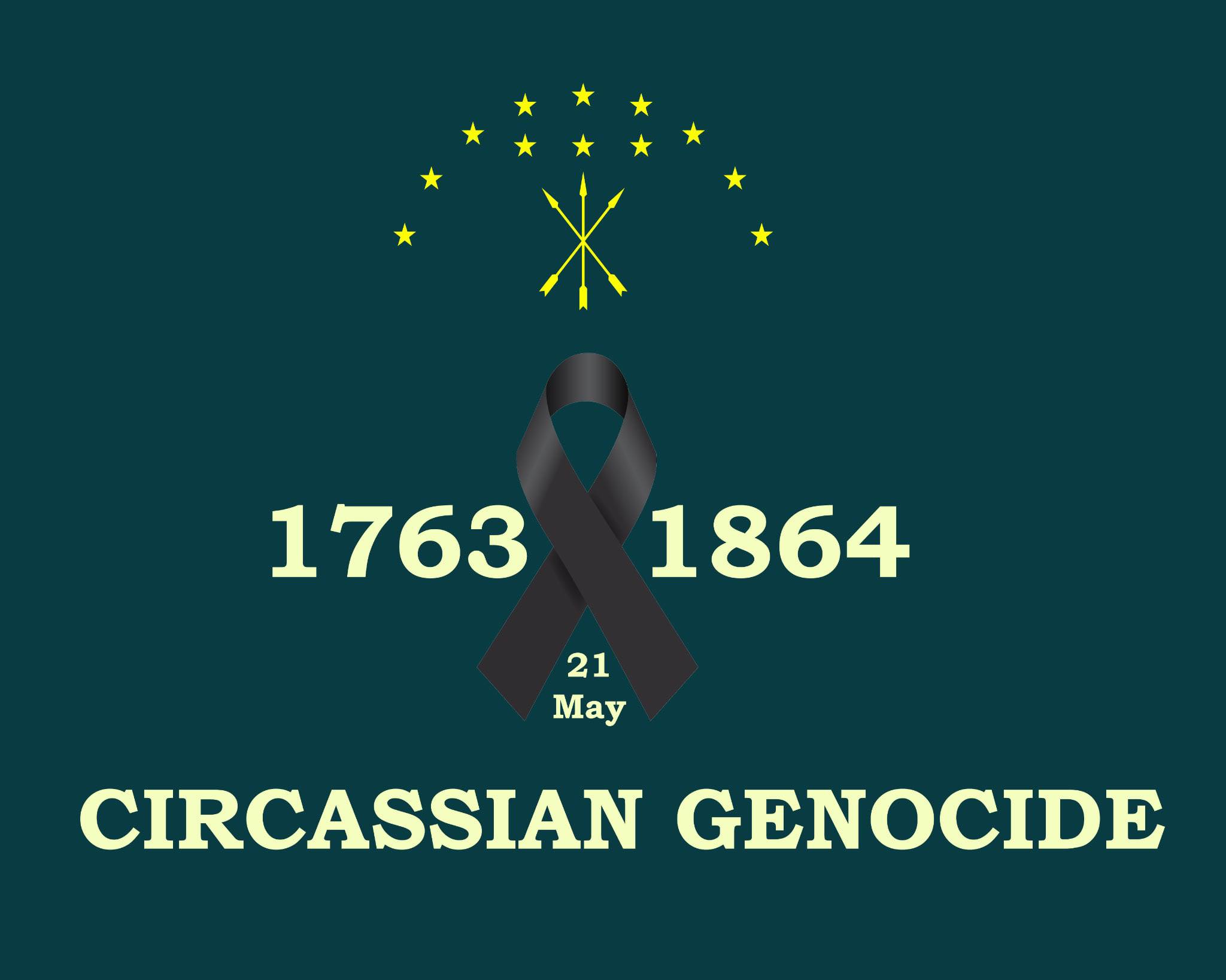
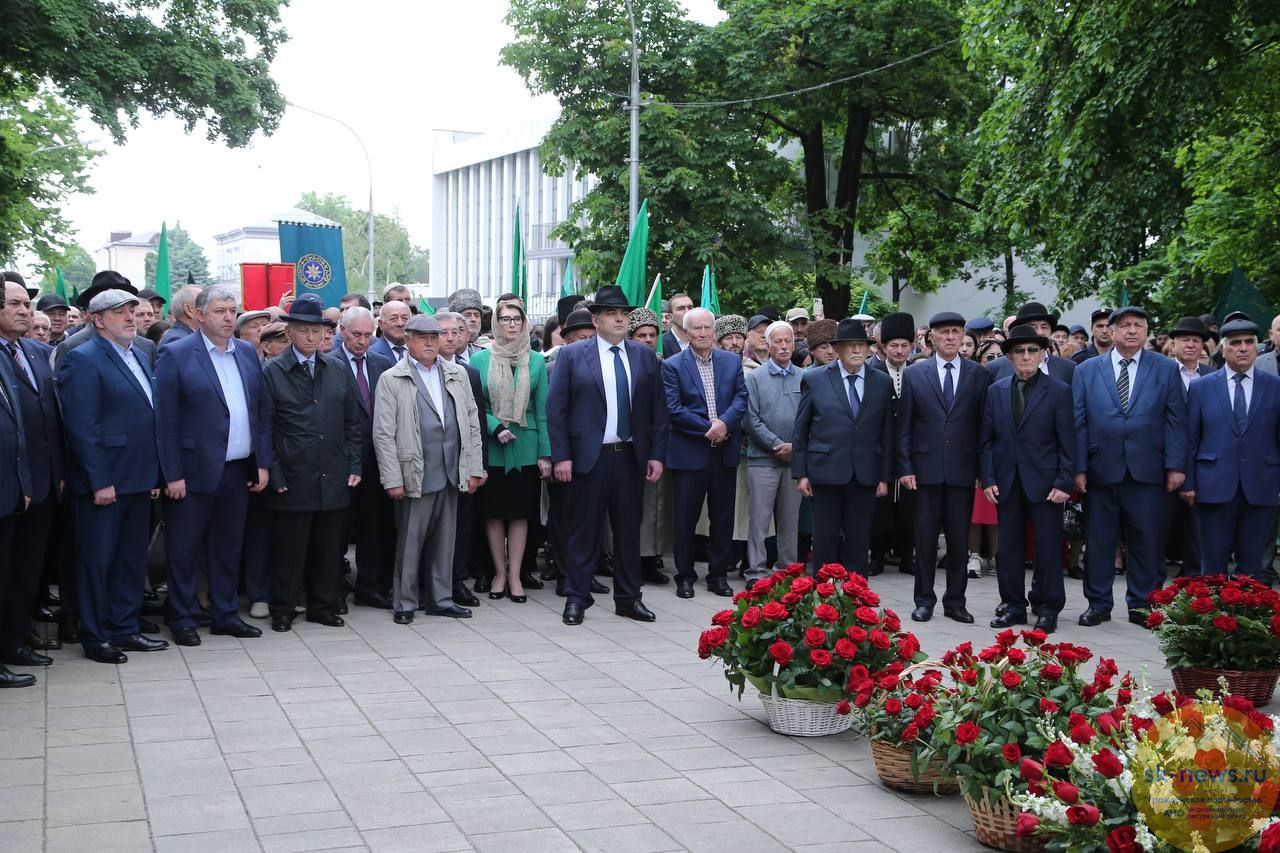
On May 21, memorial events dedicated to the victims of the Russo-Caucasian War were held in Kabardino-Balkaria, Karachay-Cherkessia, Turkey, and other regions where the Adyghe people live. In Nalchik, several people were detained during a procession in memory of those who died for the independence of the Circassian people.
On May 21, 1864, the Russo-Caucasian War, which the Russian Empire waged against the peoples of the North Caucasus for almost a century, ended. The war and subsequent forced displacement to the Ottoman Empire brought the Adyghe (Circassian) people to the brink of extinction. To this day, the Adyghe diaspora abroad outnumbers the Circassian population in Russia.
In memory of the tragedy of a divided people, memorial events are traditionally held in the Caucasus on May 21. In 2020-2021, they were canceled due to COVID-19 restrictions. But in subsequent years, the authorities in Kabardino-Balkaria also used various pretexts to deny activists permission to hold the traditional march to the "Tree of Life"—a monument to the victims of the Russo-Caucasian War. This year, the reason for the ban was the "SVO" in Ukraine and the risk of a terrorist attack in crowded areas.
"We assume that the ban on the march in honor of May 21st is the initiative of certain individuals: officials seeking to curry favor with their Moscow superiors and their handlers from the security services... The wounds sustained by our people during the Russo-Circassian War have still not healed... The ban on the march in Nalchik exacerbates the national tragedy, preventing the ecological expression of historical pain and depriving us of hope for healing," said Martin Kochesoko, head of the public organization "Khabze," in 2022. A year later, the Russian Ministry of Justice added him to the register of foreign agents. The Memorial Human Rights Center recognized him as a person persecuted for political reasons.
This year, officials also denied permission for the march; moreover, the "E" Center issued a warning about the "inadmissibility of actions that create conditions for committing an offense." Nevertheless, according to Memorial estimates, at least two thousand people attended the rally.
At the beginning of the march, police attempted to push the column off the roadway and onto the sidewalk, but the people continued to march. The following day, several people were detained in Nalchik. The Kabardino-Balkarian Human Rights Center released the names of eight of them: Marina Kalmykova, Khusein Gugov, Zuber Ivazov, Timur Nakhushev, Kazbek Mamikov, Bashir Yerokov, Idar Tsipinov, and Beslan Gedgafov. The Human Rights Center and 13 other public figures from Kabardino-Balkaria sent a collective appeal to the head of the republic, Kazbek Kokov, as well as to the heads of government and parliament and State Duma deputies, demanding the release of the detainees.
They also stated the need to "restore the tradition of national dances on Abkhazia Square and resume the horse and foot processions, which are integral elements of the mourning program and have profound cultural and historical significance for our region."
The response came from the head of the Kabardino-Balkarian Ministry of Nationalities, who stated that consideration of the issues raised "is not within the competence of officials and government bodies of the Kabardino-Balkarian Republic" and advised using the resources provided by the Code of Administrative Offenses to defend themselves. "There is no doubt in society that the decision to prevent the mourning procession was and is being made at the local government level. This demonstrates political interference in the cultural and historical spheres and is rightly perceived by society as an attempt to obliterate and diminish the historical memory and cultural identity of the Adyghe people, which creates a sense of discrimination and increases social tension. Incidents such as these, involving the use of administrative resources and the persecution of procession participants, only fuel public discontent and undermine trust in the government," commented Valery Khatazhukov, Chairman of the Human Rights Center. "When the republic's highest official evades a political assessment of the events described, a gross violation of one of the most fundamental constitutional rights of citizens—to assemble peacefully, without weapons—this undermines trust in the minister as the guarantor of compliance with the Constitution of the Kabardino-Balkarian Republic and compromises the very idea of our statehood, calling into question the possibility of realizing the right of the Kabardian and Balkar peoples to self-determination within the country."