Russia’s Foreign Intelligence Service Warns Armenia of Economic Crisis if It Leaves EAEU
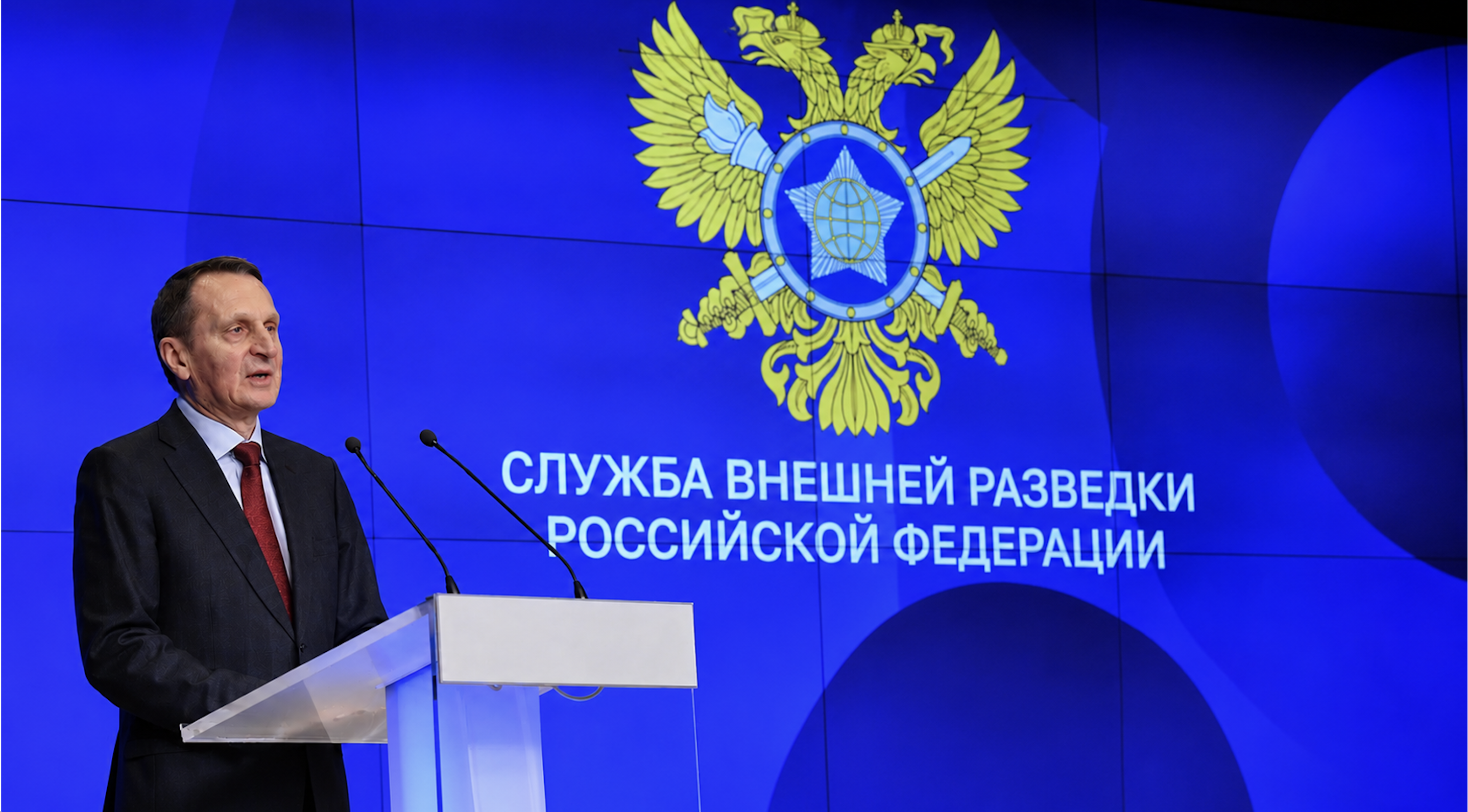
Russia’s Foreign Intelligence Service (SVR) has warned that Armenia would face an economic crisis if it withdraws from the Eurasian Economic Union (EAEU), arguing that Brussels is aware of the risks but continues to encourage Yerevan’s closer integration with the European Union.
In a statement, the SVR said EU institutions understand they would be unable to offset the economic losses Armenia would incur if it severed ties with the EAEU. According to the Russian intelligence agency, the bloc’s own economic challenges—stemming from sanctions against Russia and continued support for Ukraine—would prevent Brussels from providing sufficient financial assistance.
Despite this, the SVR claimed, European officials will continue to assure the Armenian leadership that the EU stands ready to support the country as it pursues closer ties with the bloc.
The agency also accused the European Union of trying to persuade Yerevan to reduce its cooperation with Moscow. It added that Brussels should not expect other EAEU member states to continue supporting Armenia’s economy if the country ultimately opts for a European path.
The statement came two days after a phone call between Russian President Vladimir Putin and Armenian Prime Minister Nikol Pashinyan. During the conversation, Pashinyan asked Putin to help lift Russian restrictions on Armenian exports, arguing that the measures violate bilateral agreements and EAEU rules.
Pashinyan also told Putin that Armenia’s potential accession to the European Union remains a theoretical prospect. He said a referendum on EU membership could only take place if the country formally applied to join the bloc, adding that any disagreements arising from the issue would be discussed with Moscow within the framework of their bilateral partnership.
Armenia’s European aspirations remain one of the main sources of tension between Moscow and Yerevan. In early 2025, the Armenian parliament passed a law launching the country’s EU accession process. Russian officials have repeatedly argued that full participation in the EAEU is incompatible with pursuing membership of the European Union.
Trade disputes between the two countries have also persisted. Since late May, Russia has gradually imposed restrictions on imports of Armenian goods, including flowers, mineral water, wine, brandy, fruit and vegetables, fish, and dairy products.
Armenian officials linked the measures to the deterioration in political relations between the two countries, while Russia has consistently maintained that the restrictions were introduced on sanitary and phytosanitary grounds.
Tensions escalated further during Armenia’s parliamentary election campaign, when all of these trade restrictions were introduced, deepening strains in relations between Moscow and Yerevan.