Fuel Crisis Reaches Abkhazia as Long Queues Form at Petrol Stations
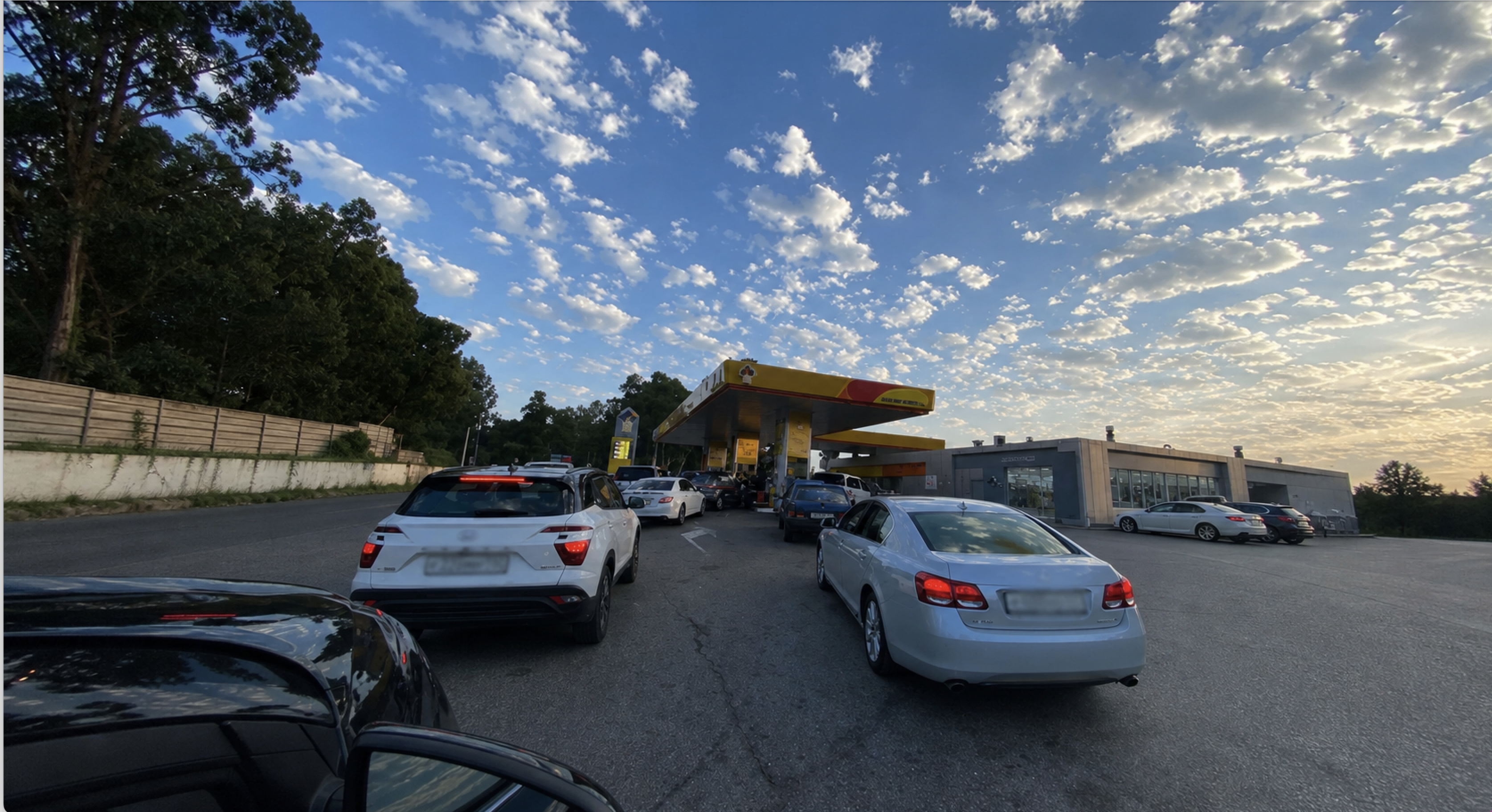
Abkhazia is facing a sharp deterioration in its fuel supply, with long queues forming at major petrol stations in Sukhumi and other towns. Some filling stations have introduced a limit of 20 litres of petrol per vehicle. The de facto authorities acknowledge supply disruptions but insist they are temporary.
Videos circulating on social media show dozens of vehicles lining up outside Podorozhnik and Rosneft petrol stations, with queues stretching for more than a kilometre in some locations, according to eyewitnesses.
Residents report that AI-95 petrol is selling for as much as 90 roubles ($1.10) per litre at some stations—around 10 roubles more expensive than in the neighbouring Russian town of Adler. Social media users say the shortage became particularly acute after smaller privately owned filling stations ran out of fuel, forcing motorists to rely on the larger Rosneft and Podorozhnik networks.
Some commentators attribute the shortages to the seasonal surge in demand at the height of the summer tourist season, while others argue that supply disruptions and fuel rationing have further exacerbated the situation.
Following reports of the growing queues, the Abkhaz government issued an official statement, saying that 414 tonnes of petrol had already arrived in the territory and that additional deliveries were expected in early August.
Officials stressed that disruptions were affecting only a limited number of filling stations and described the shortages as temporary. Residents were urged to avoid panic buying and purchase only the amount of fuel needed for everyday travel.
The government also said diesel supplies remain sufficient to meet demand from both residents and businesses, adding that restrictions on diesel sales are expected to be lifted within the next few days. Officials said they are working closely with Russian suppliers and relevant agencies to stabilise the fuel market.
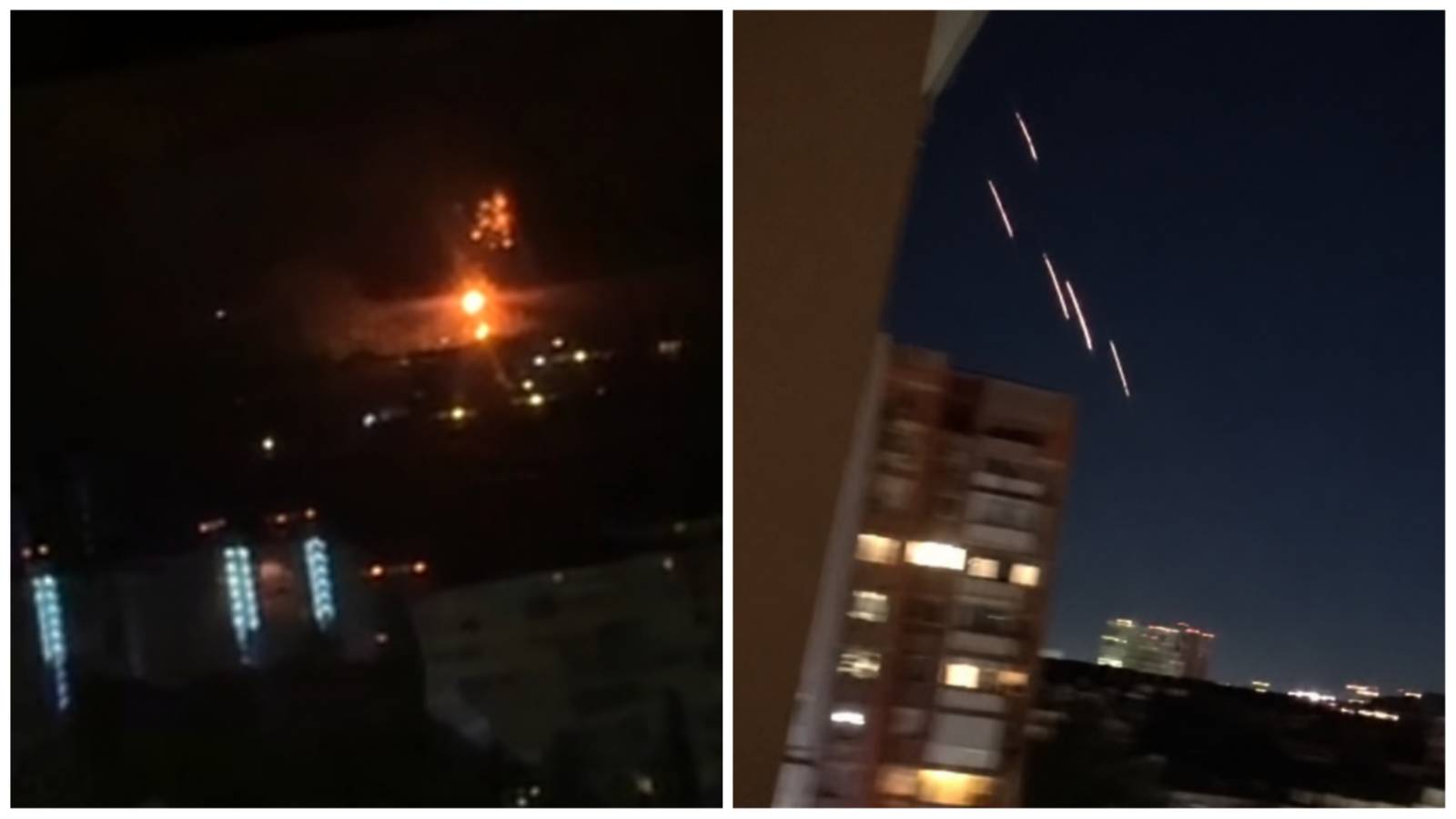
The fuel shortages in Abkhazia come amid a broader supply crisis in southern Russia. Following a series of Ukrainian drone strikes on Russian oil refineries, a number of Russian regions introduced restrictions on petrol sales, while queues at filling stations lengthened and fuel prices increased.
The most severe disruptions have previously been reported in North Ossetia, Kabardino-Balkaria, Chechnya, Dagestan, Stavropol and Krasnodar regions, as well as Rostov and Astrakhan regions. Although supplies have gradually improved in some areas, the effects of the fuel shortage continue to be felt beyond Russia's borders.