An attempt to import Armenian peppers into Russia under the guise of Iranian produce has been reported in Dagestan

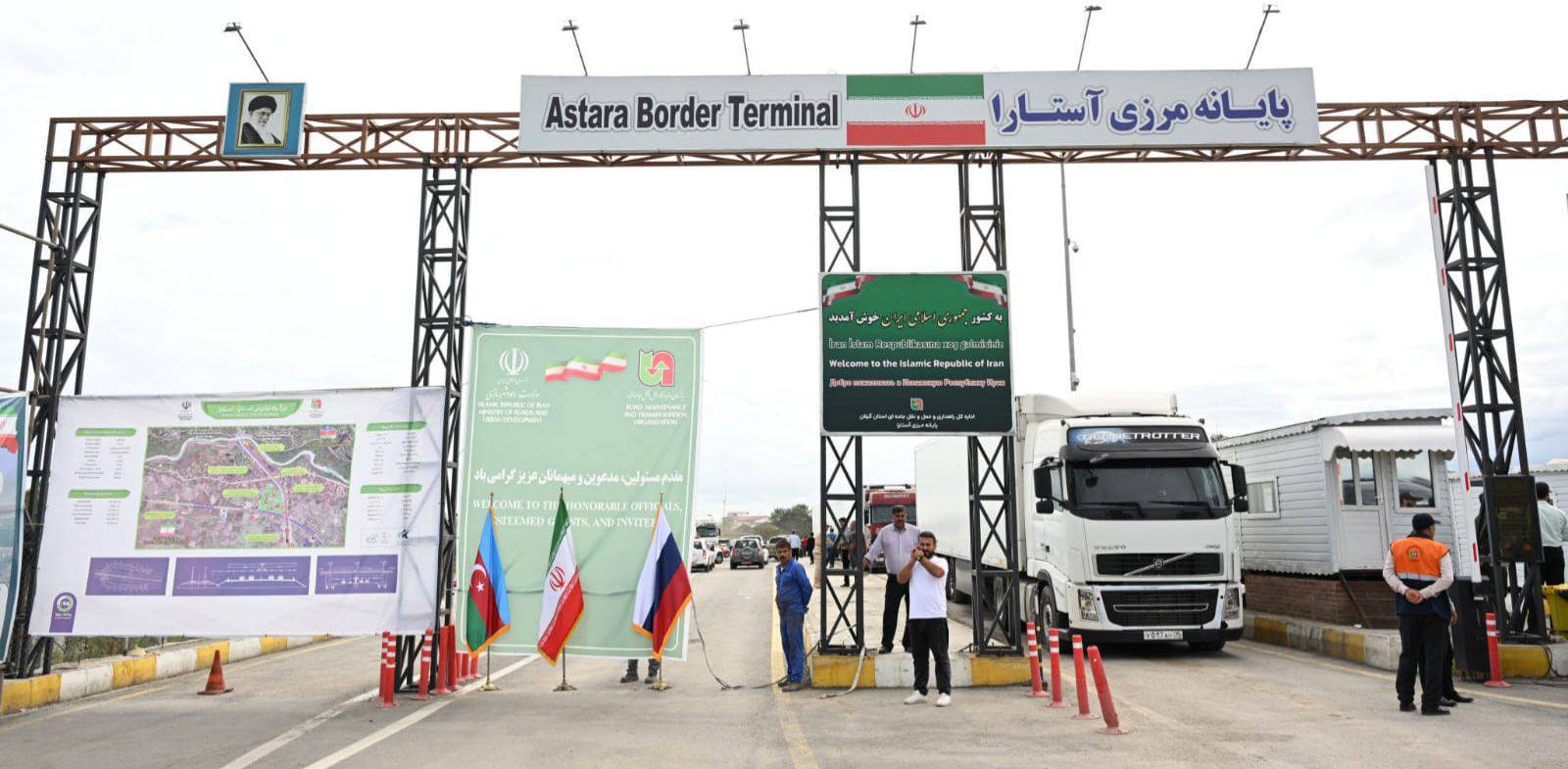
For over ten days, around ten trucks bearing Dagestani and Azerbaijani license plates have been unable to leave the Astara cargo terminal on the Iran-Azerbaijan border. According to RIA Dagestan, the issue stems from a shipment of peppers grown in Armenia that was being imported into Russia disguised as Iranian produce.

The Dagestan Ministry of Transport described the situation as a re-export scheme: the Armenian goods were reportedly accompanied by forged documents processed through Iranian intermediaries.

The plan was for the cargo to clear customs as Iranian-origin produce. While the circumstances are being investigated, the drivers have remained at the parking area for ten days. During this time, some of the vegetables have begun to spoil as their shelf life nears its end. Carriers have proposed unloading the goods to salvage at least part of the shipment, but the intermediaries are reportedly insisting that transport continue without opening the trucks.

The Dagestan Regional Public Organization of Motor Carriers has stepped in to address the situation. It intends to appeal to the Iranian Ministry of Justice for clarification on the cargo's legal status and to seek compensation for the drivers for the days of downtime.

The Dagestan Ministry of Transport stated that carriers should not accept cargo with questionable documentation, given that the import of Armenian agricultural products into Russia is prohibited. The agency also urged market participants to thoroughly verify accompanying documents to avoid such situations, which lead to financial losses and the spoilage of perishable goods.

Последние новости
An attempt to import Armenian peppers into Russia under the guise of Iranian produce has been reported in Dagestan
Politics
An attempt to import Armenian peppers into Russia under the guise of Iranian produce has been reported in Dagestan
5 August 2026

For over ten days, around ten trucks bearing Dagestani and Azerbaijani license plates have been unable to leave the Astara cargo terminal on the Iran-Azerbaijan border. According to RIA Dagestan, the issue stems from a shipment of peppers grown in Armenia that was being imported into Russia disguised as Iranian produce.

Flood Victims in Dagestan Forced to Seek Compensation Through Prosecutors
Human rights
Flood Victims in Dagestan Forced to Seek Compensation Through Prosecutors
5 August 2026

Residents of several villages in Russia’s Republic of Dagestan affected by severe spring flooding say they have struggled to obtain compensation for damaged homes, with many claiming they secured payments only after appealing to prosecutors, commissioning independent expert assessments and requesting new inspections, the independent outlet Kavkazsky Uzel reported. Regional authorities have acknowledged that about 2,000 compensation claims initially rejected were later approved following appeals.

Baku claims it persuaded Israel to postpone recognition of the Armenian Genocide
Politics
Baku claims it persuaded Israel to postpone recognition of the Armenian Genocide
5 August 2026

For the first time, Azerbaijan has publicly stated that the postponement of a parliamentary vote in Israel regarding the recognition of the Armenian Genocide was the result of negotiations between Baku and Tel Aviv. Hikmet Hajiyev, an aide to the President of Azerbaijan, reported that the Azerbaijani side had conveyed its position to Israel in advance, and that these signals were taken seriously.

Lawyer for defendant in Georgia wedding altercation case releases new footage filmed prior to the incident
Society
Lawyer for defendant in Georgia wedding altercation case releases new footage filmed prior to the incident
5 August 2026

Lawyer Lasha Kapanadze has released CCTV footage that he claims offers a new perspective on the circumstances surrounding the altercation between Russian tourists and wedding guests at the Agarni Estate hotel complex in Georgia. The defense maintains that the actions of the female tourists triggered the escalation that ultimately led to physical violence.