The Georgian Ministry of Internal Affairs stated that there were no signs of violence on the body of Abkhaz blogger Daur Buava

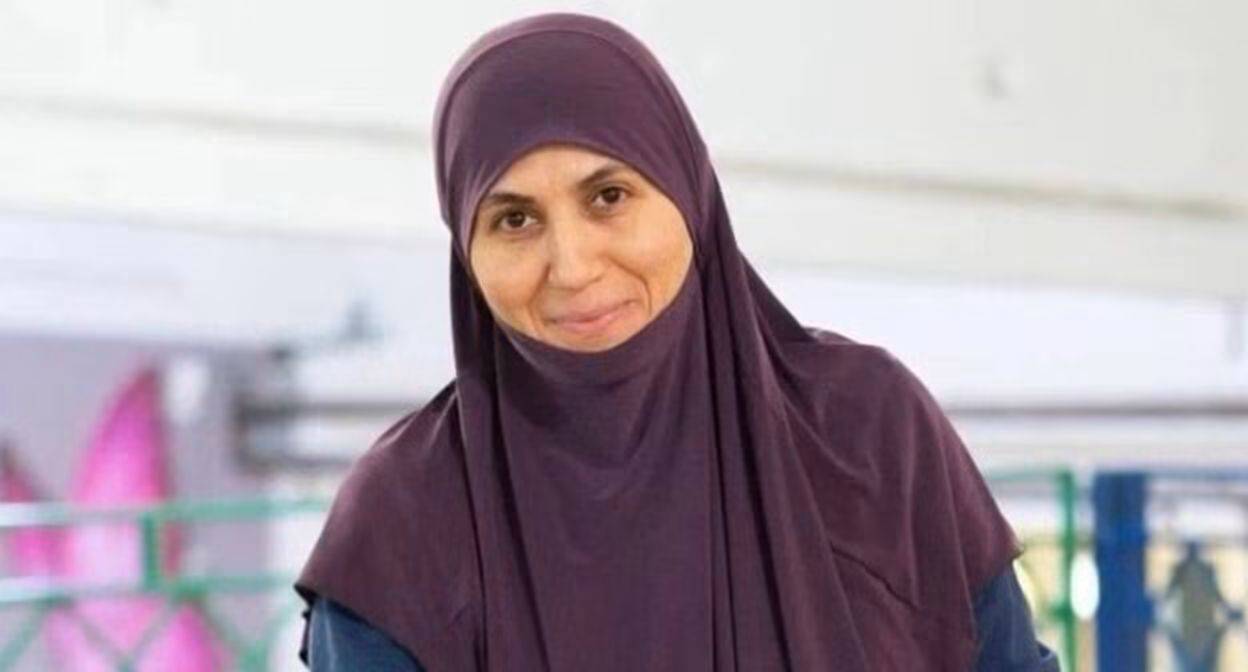
A preliminary examination of the body of Abkhaz blogger and activist Daur Buava, who was found dead in Tbilisi, revealed no signs of violence. The Georgian Ministry of Internal Affairs told the Georgian news agency IPN.

The body of 30-year-old Buava has been sent to the Levan Samkharauli National Forensic Bureau. Specialists will determine the exact cause of death.

Buava was found dead in an apartment in the Dighomi district. According to preliminary information, he may have been dead for several days by the time he was discovered. Local residents previously reported that neighbors noticed a strong odor coming from the apartment and called emergency services. After opening the apartment, they discovered the blogger's body.

The investigation is ongoing under Article 115 of the Criminal Code of Georgia—incitement to suicide.

Daur Buava was known as one of the few public Abkhaz activists who openly advocated for reconciliation and the restoration of dialogue between Abkhazians and Georgians. A native of Tkvarcheli, he ran a popular TikTok blog and, after a trip to Tbilisi in 2021, began publicly speaking out about the need for rapprochement between the two peoples.

Buava later received Georgian citizenship and, together with like-minded individuals, founded the youth organization "Amra" ("Sun"), which focused on developing contacts between Georgian and Abkhaz youth.

His views provoked a sharp reaction from the authorities of the self-proclaimed Republic of Abkhazia. In 2022, a criminal case was opened against Buava for "high treason" and he was placed on the wanted list. The blogger himself denied the charges, stating that he advocated exclusively for peace and the restoration of relations between the Abkhazians and Georgians.
Последние новости
Armenia Looks for New Export Markets as Fruit and Vegetable Shipments to UAE Set to Begin in September
Economy
Armenia Looks for New Export Markets as Fruit and Vegetable Shipments to UAE Set to Begin in September
28 August 2026

Armenia plans to begin regular shipments of fresh fruit and vegetables to the United Arab Emirates in September. At the initial stage, export volumes could reach up to 40 tonnes a week. Armenia’s Economy Ministry announced this on August 27 following a meeting between Economy Minister Gevorg Papoyan and Omar Mohammad Hamdan Abdullah Al Shamsi, the founder and CEO of UAE-based company Watermelon Ecosystem. The sides signed a memorandum of understanding following the meeting.

The Georgian Ministry of Internal Affairs stated that there were no signs of violence on the body of Abkhaz blogger Daur Buava
Politics
The Georgian Ministry of Internal Affairs stated that there were no signs of violence on the body of Abkhaz blogger Daur Buava
28 August 2026

A preliminary examination of the body of Abkhaz blogger and activist Daur Buava, who was found dead in Tbilisi, revealed no signs of violence. The Georgian Ministry of Internal Affairs told the Georgian news agency IPN.

Chechnya has cemented its status as Russia's least smoking region: the rate has decreased by almost 40% since the beginning of the year
Society
Chechnya has cemented its status as Russia's least smoking region: the rate has decreased by almost 40% since the beginning of the year
28 August 2026

The Chechen Republic retained its first place among Russian regions with the lowest smoking prevalence. Moreover, the rate in the republic has decreased even further since the beginning of the year.

Boris Ebzeev: From a Dissenting Opinion on Chechnya to Putin’s Central Election Commission
Society
Boris Ebzeev: From a Dissenting Opinion on Chechnya to Putin’s Central Election Commission
28 August 2026

Boris Ebzeev, the former head of Karachay-Cherkessia, a Constitutional Court judge and a longtime member of Russia’s Central Election Commission, died this week at the age of 76. His political career spanned several different eras of Russian rule — from the establishment of constitutional justice in the early 1990s to Vladimir Putin’s political system of centralized power. The Russian-Chechen war holds a special place in his biography: in 1995, Ebzeev disagreed with the majority of the Constitutional Court, which ruled that the actions of the Russian authorities in Chechnya were lawful. Twenty-five years later, he was already a member of the Central Election Commission when Vladimir Putin was “resetting” the Constitution to allow himself to run for president again.