Calls Made in the US to Make Azerbaijan a Pillar of American Strategy in Eurasia
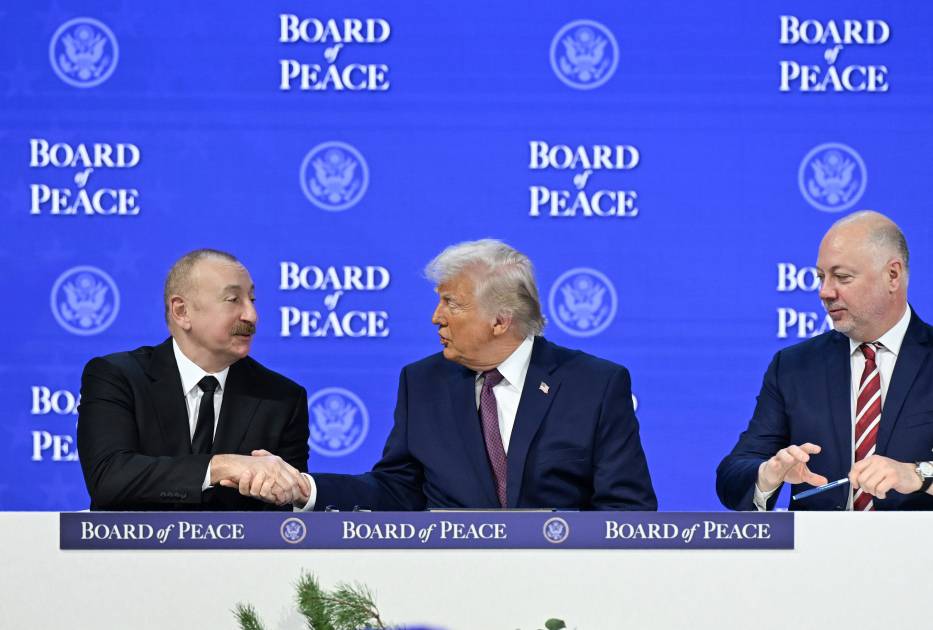
In a column for the conservative publication *Townhall*, American political commentator Brian Leib described the current stage of US-Azerbaijan relations as the most successful in the republic's history of independence.
"Relations between the US and Azerbaijan today are likely at their highest level since the country regained its independence," the author writes.
Leib argues that the Donald Trump administration—unlike Joe Biden’s team—prioritizes strategic cooperation with Baku. He states that "for four years, the Biden administration misjudged Azerbaijan," whereas the current course is rooted in supporting reliable partners and advancing American strategic interests.
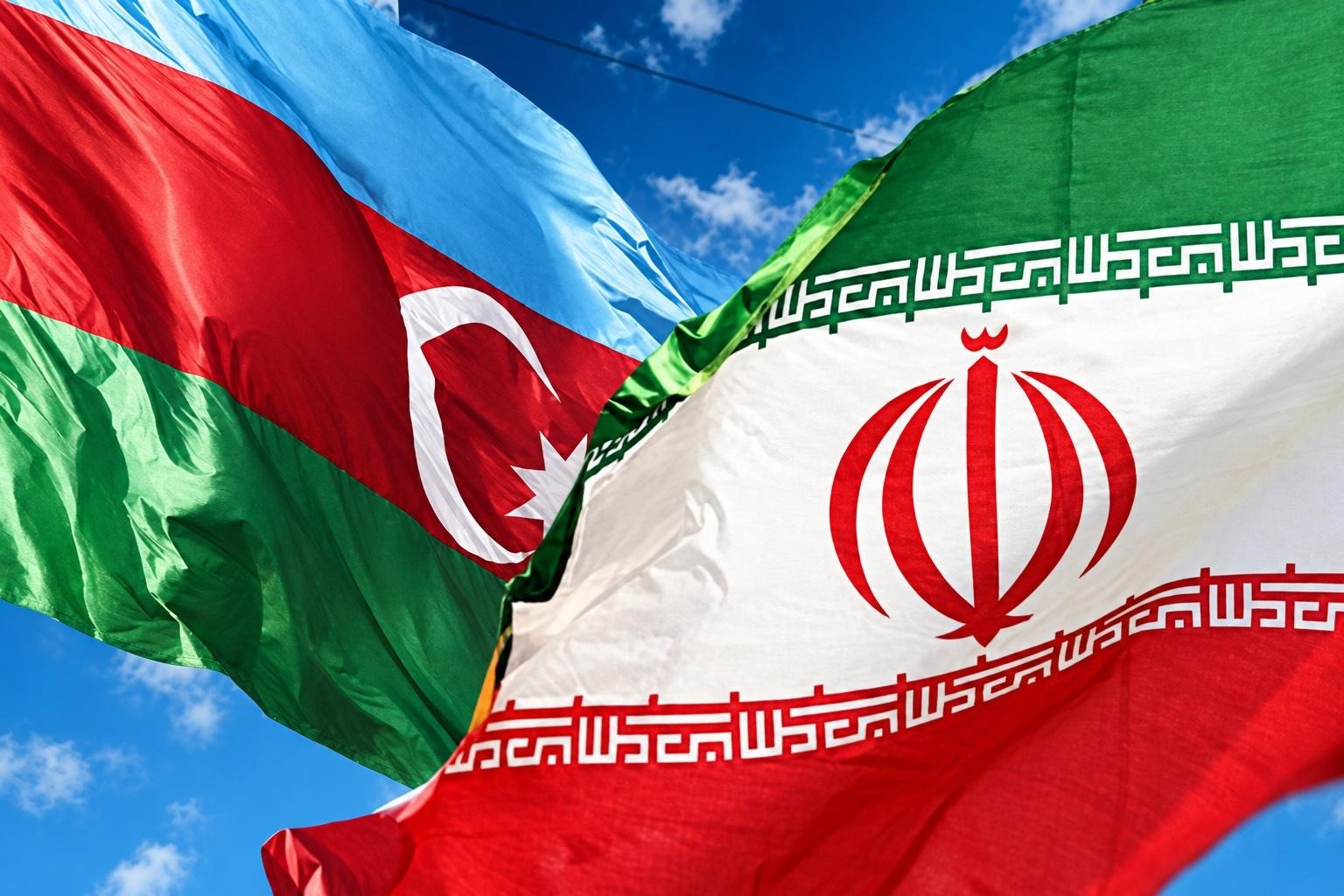
The commentator cites several factors to support his position: Azerbaijan’s role in ensuring Europe’s energy security, its participation in international missions, its advantageous geographic location—situated between Russia, Iran, Europe, and Central Asia—and the development of its transport and logistics infrastructure.
"Azerbaijan is not merely a regional partner; it is a reliable partner," Leib emphasizes.
The author believes that strengthening ties serves US interests amidst intensifying competition for influence in Eurasia. In his view, a peace agreement between Azerbaijan and Armenia could provide additional momentum to this cooperation. Consequently, he urges the US Congress to support the expansion of the bilateral partnership and to reconsider policies that, he claims, no longer align with the current geopolitical landscape.
Such calls reflect a broader trend in the West's relations with Azerbaijan. Following the outbreak of Russia's full-scale war against Ukraine, Baku has emerged as a key partner for the European Union regarding energy security and the diversification of gas supplies. Against this backdrop, European institutions are placing significantly less emphasis—and doing so less forcefully than before—on human rights violations and the persecution of the opposition and independent journalists in the country.
At the same time, the Donald Trump administration’s approach differs from the European one. While Brussels is largely guided by energy interests, the current White House is driven primarily by strategic and economic pragmatism. Promoting democracy and protecting human rights are no longer among the Trump administration's key foreign policy priorities. Within this framework, Azerbaijan is viewed primarily as a vital geopolitical and economic partner for the U.S., capable of strengthening American positions in the South Caucasus and Eurasia.