Azerbaijan’s Supreme Court Denies Parole to PFPA Activist in Two-Minute Hearing
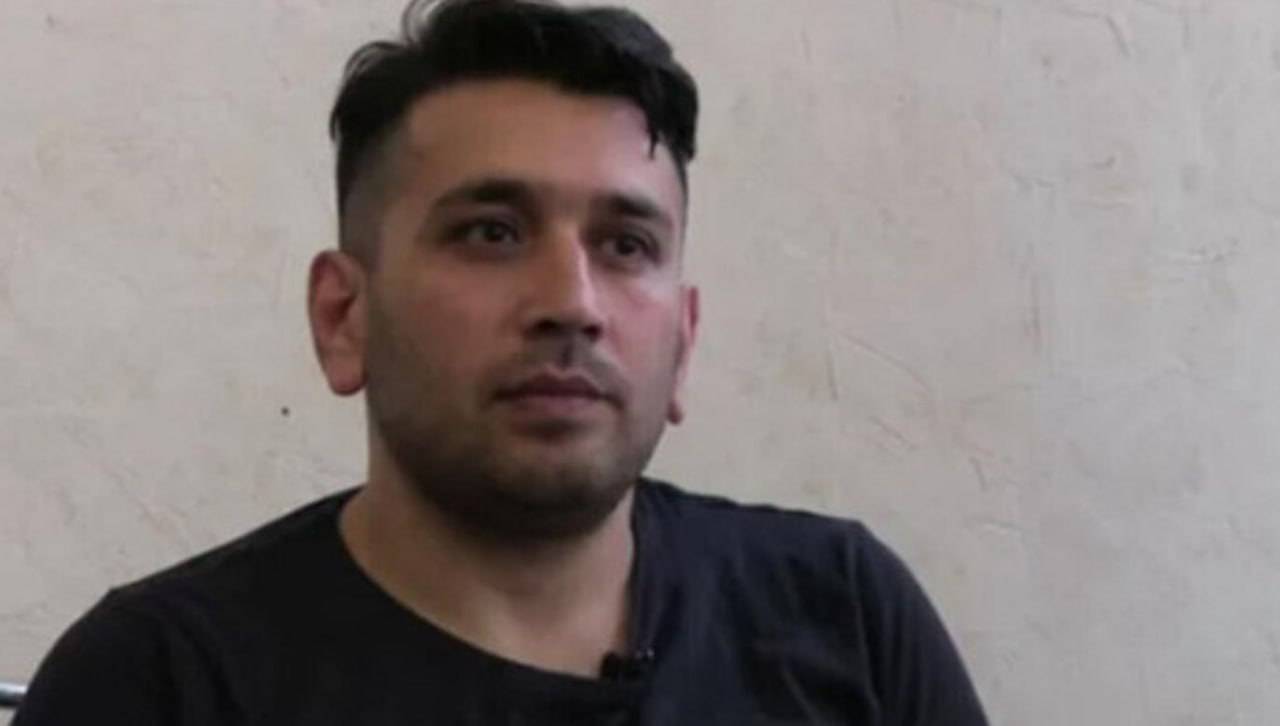
On September 17, the Supreme Court of Azerbaijan denied parole to Samir Ashurov, an activist with the Azerbaijan Popular Front Party (PFPA). The cassation court upheld the decision previously made by the Baku Court of Appeal.
According to human rights defender Zafar Akhmedov, the hearing lasted approximately two minutes and proceeded without the participation of a state prosecutor.
"In reality, it is hard to even call this a court proceeding. Today’s hearing broke all 'world records' for brevity. Yes, in my many years of human rights work, I have seen hearings last six or seven minutes. But today’s hearing lasted just two minutes. A state prosecutor did not even participate in the proceedings," Akhmedov told a *Caucasian Knot* correspondent.
Ashurov had requested release after serving two-thirds of his sentence. In December 2023, he was sentenced to six and a half years in prison in connection with an assault case. He was later also charged with hooliganism involving a weapon; however, in January, the cassation court dropped that charge and reduced his sentence by six months.
Ashurov has maintained his innocence. Prior to his arrest, he lived in Germany; he was returned to Azerbaijan on March 29, 2022, and detained the following month.
In December 2023, Ashurov went on a hunger strike following a conflict within the penal colony. According to human rights defenders, a high-ranking prison official struck him in the face. Prior to this incident, the prisoner had reportedly faced obstacles in making phone calls to his wife. Ashurov ended his hunger strike on January 5. In November 2025, he and five other inmates from Baku’s Penal Colony No. 2 announced the formation of the "Committee for the Defense of Political Prisoners." The committee also included investigative journalist Hafiz Babaly, economist Fazil Gasymov, trade union activist Afiyaddin Mammadov, activist Lachin Veliyev, and AXCP member Mehman Aliyev. The prisoners stated that violations of human rights and freedoms in Azerbaijan had become systematic.
According to human rights defenders, Ashurov received threats after the committee was formed. Veliyev was transferred to another penal colony, where security officials reportedly beat and verbally abused him.
Commenting on the Supreme Court’s decision in an interview with *Kavkazsky Uzel*, a Baku-based lawyer noted that such brief reviews of parole appeals do occur in practice. He stated that although the Supreme Court does not examine the merits of a case but rather reviews the legality of lower-court decisions, this does not absolve the court of the obligation to adhere to procedural norms.
Ashurov’s defense team could potentially present the absence of a state prosecutor—along with other possible procedural violations—to the European Court of Human Rights when it reviews the merits of his complaint.