"Everything is going well": Aliyev declared the relations between Baku and Moscow fully normalized

Azerbaijani President Ilham Aliyev declared that the tense period in relations between Baku and Moscow is behind us, and cooperation between the two countries has returned to normal.

Speaking at the 4th Shusha Global Media Forum, the Azerbaijani leader emphasized that Baku highly values ​​its relations with Russia and welcomes the statements of Russian authorities, including Vladimir Putin, on the development of bilateral ties.

According to Aliyev, contacts between the countries are currently taking place at all levels – from governments and foreign policy ministries to presidential administrations.

"I would say that relations have been fully normalized. Contacts are taking place at various levels: between governments, through the co-chairs of intergovernmental commissions, through the Foreign Ministries, and also through the presidential administrations. Therefore, I think in this regard, everything is going well, and we are pleased about this," the head of state said.

Aliyev also noted that cooperation encompasses traditional areas, as well as trade and humanitarian affairs. According to him, relations between Moscow and Baku are important not only for the two countries but also for the wider region.

Speaking about the South Caucasus, the president stated that after the Second Karabakh War and Azerbaijan's restoration of control over its territory, the region has changed, and previous approaches to perceiving it no longer work. He also emphasized that Azerbaijan has not allowed itself to be used in geopolitical intrigues against third countries and expects the same approach from neighboring states.

Последние новости
Kuban and the Don region fend off a nighttime drone raid; Ukraine targeted from Millerovo and Crimea
Chronicle of Wars and Crimes
Kuban and the Don region fend off a nighttime drone raid; Ukraine targeted from Millerovo and Crimea
27 October 2026

Starting on the evening of October 26, a "drone threat" alert was issued across the Krasnodar Territory (Kuban):
from 8:23 PM, it was in effect for Gelendzhik, Anapa, Novorossiysk, and the Abinsky, Krymsky, and Temryuksky districts; from 11:22 PM, it extended to the Tuapsinsky district, Sochi, and the Mostovsky district. By Tuesday morning, the situation along the Black Sea coast of the Kuban had normalized, and emergency services returned to their standard operating mode.

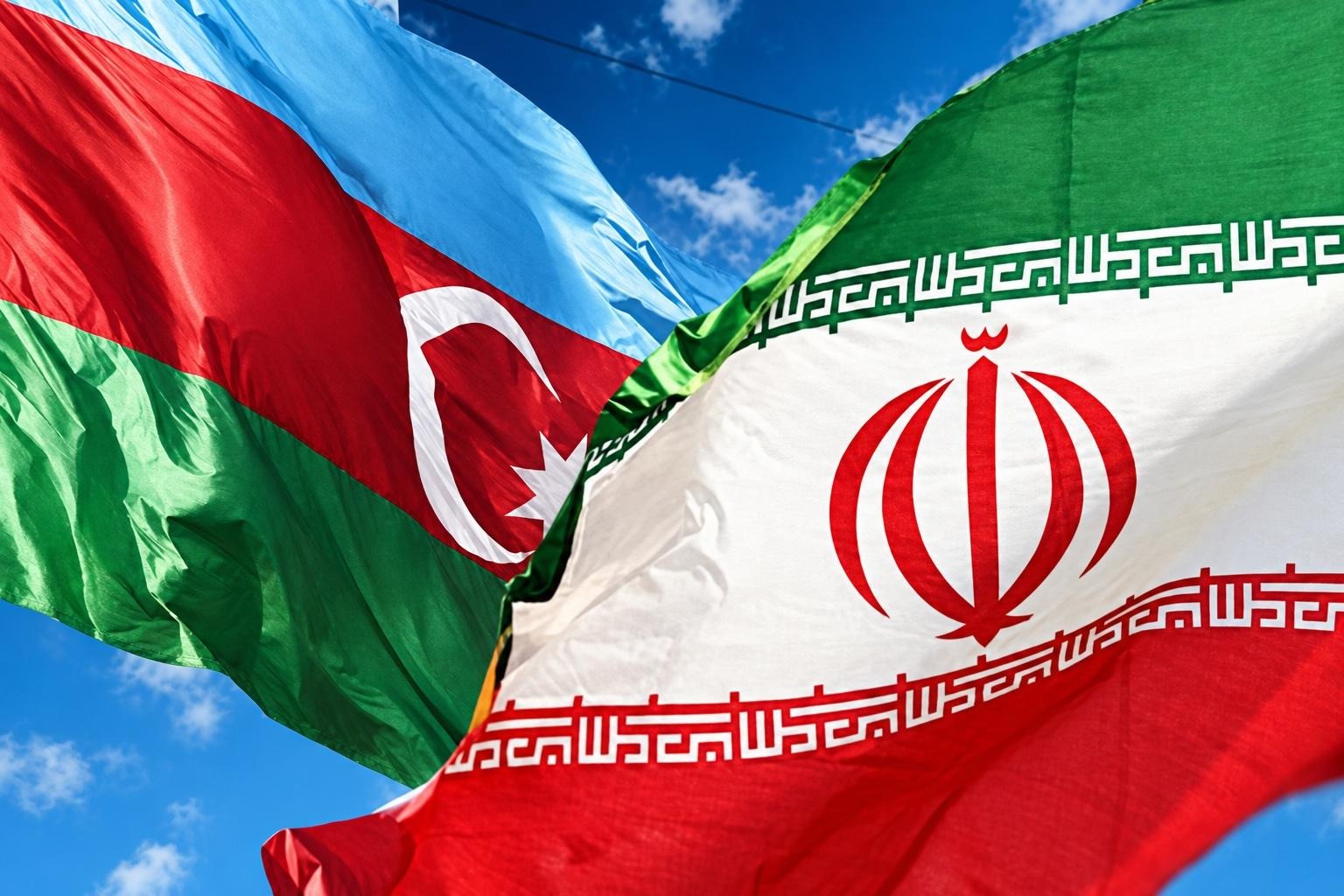
Azerbaijani NGOs urge Pezeshkian to provide education in the Azerbaijani language, while offering plenty of praise
Politics
Azerbaijani NGOs urge Pezeshkian to provide education in the Azerbaijani language, while offering plenty of praise
26 October 2026

Fifty-five non-governmental organizations (NGOs) in Azerbaijan have sent an open letter to Iranian President Masoud Pezeshkian, following criticism from Azerbaijan’s Ministry of Science and Education regarding a statement made by Iran’s Minister of Science, Research and Technology, Hossein Simaei-Sarraf.

Crimean Tatars Held in Russian Captivity Excluded from Latest Ukraine-Russia Prisoner Exchange
Human rights
Crimean Tatars Held in Russian Captivity Excluded from Latest Ukraine-Russia Prisoner Exchange
26 October 2026

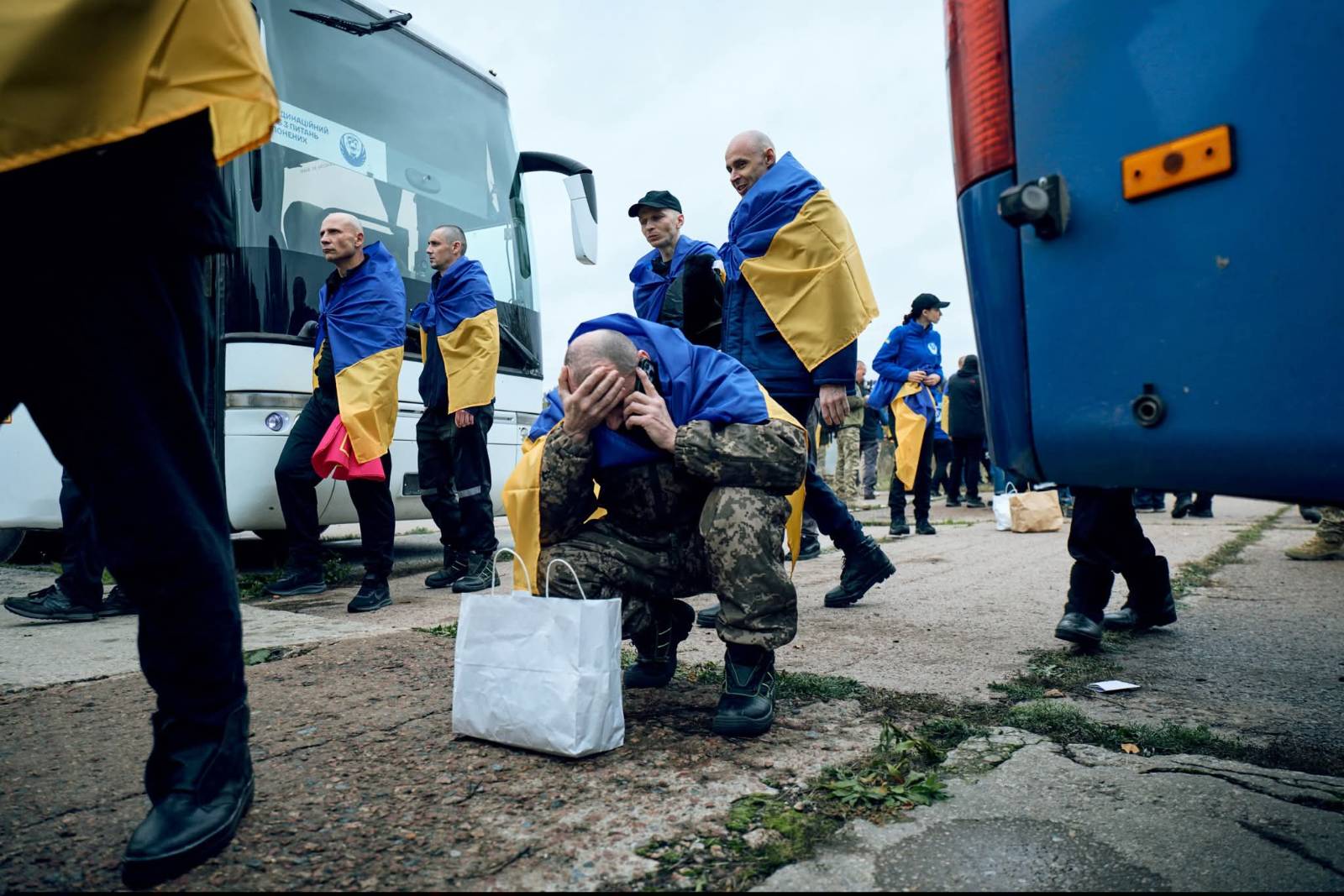
During the prisoner-of-war exchange between Ukraine and Russia on October 23—a "270-for-270" swap—not a single Crimean prisoner of war or political prisoner returned to Ukrainian-controlled territory. Meanwhile, six Russian service members from Crimea were sent to Russia. This was reported on October 24 by Eskender Bariiev, head of the Crimean Tatar Resource Center, in a Facebook post citing information from Yana Lantratova, a Russian official involved in human rights matters.

Turkish presidential adviser loses his post after criticising Azerbaijan’s hijab ban
Politics
Turkish presidential adviser loses his post after criticising Azerbaijan’s hijab ban
26 October 2026

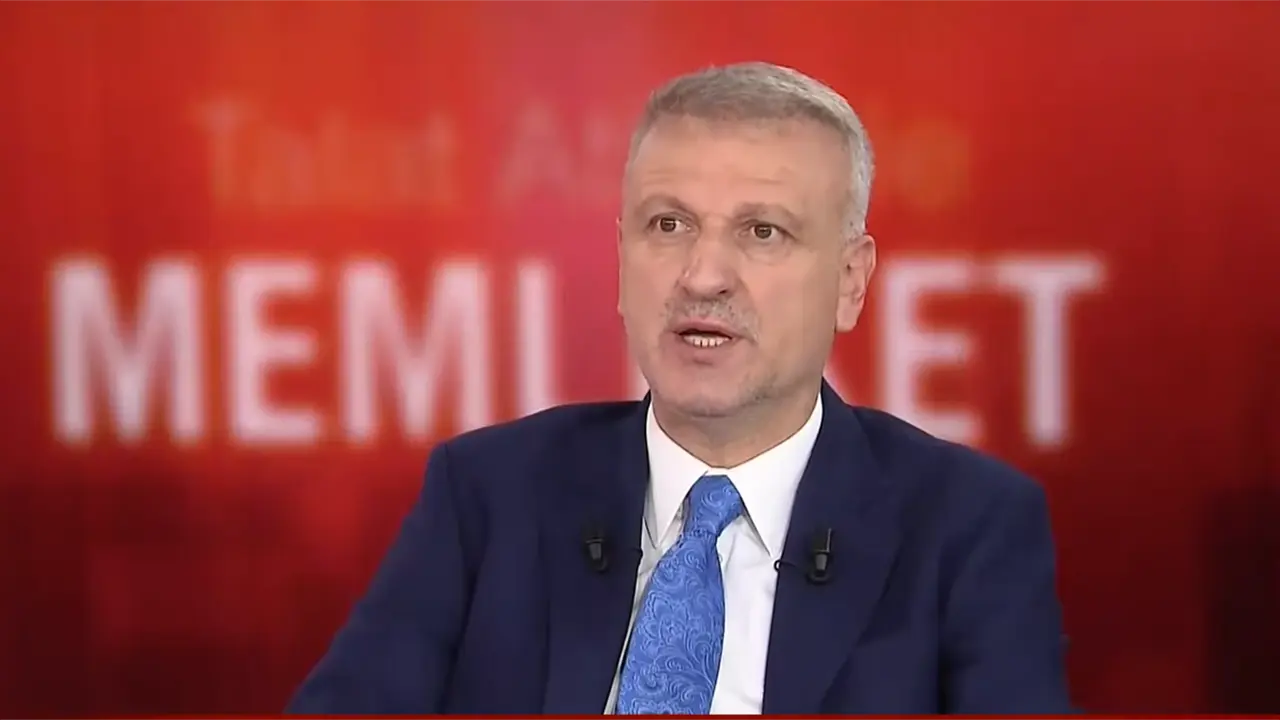
Oktay Saral, chief adviser to Turkish President Recep Tayyip Erdoğan, has lost his position after criticising Azerbaijani authorities over restrictions on the wearing of hijabs in schools. His departure has become one of the most prominent episodes in the deterioration of relations between Ankara and Baku, which has been accompanied by accusations from Azerbaijan of interference in its internal affairs and fierce anti-Turkish rhetoric in pro-government Azerbaijani media.