Zakharova: Yerevan will pay for American technologies that exist only "on paper"
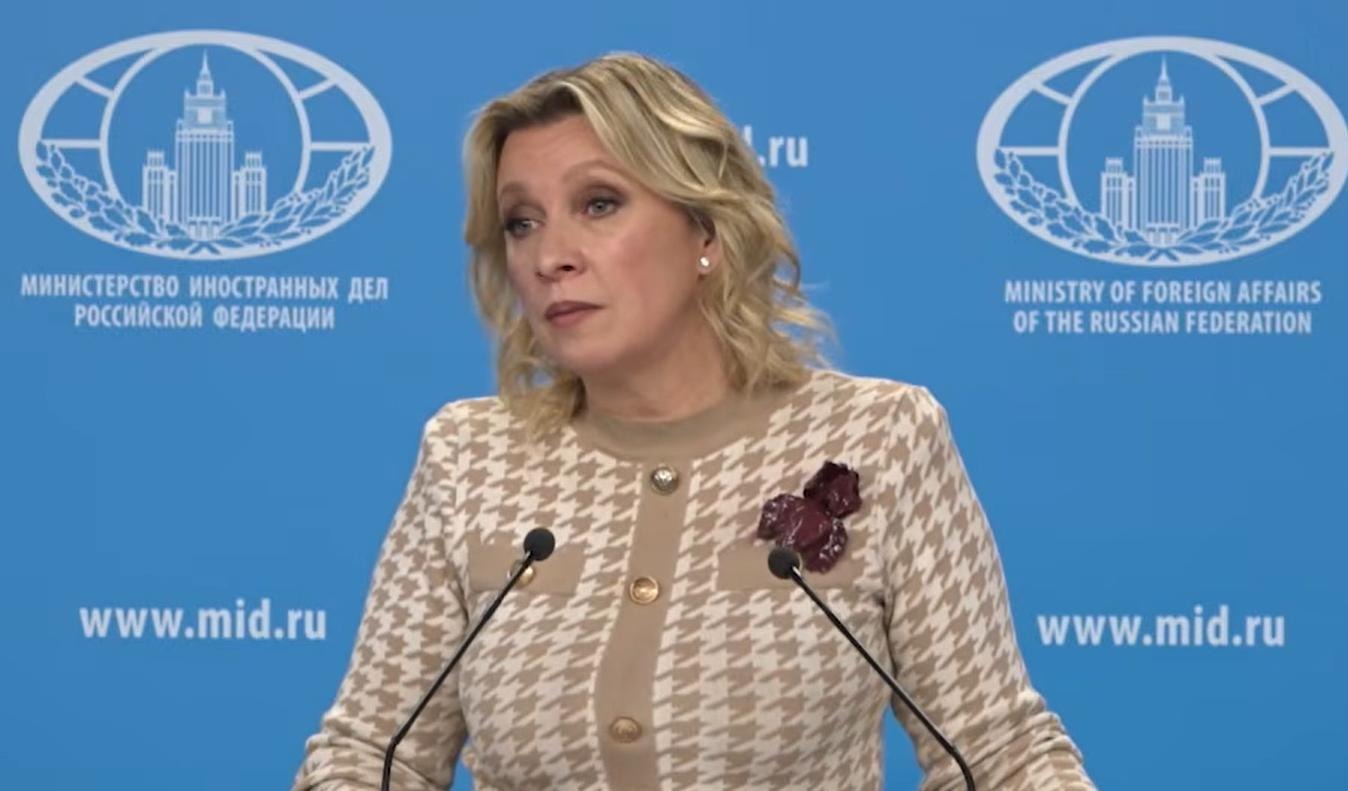
Russian Foreign Ministry spokesperson Maria Zakharova commented on Yerevan's decision to cooperate with the United States in the peaceful use of nuclear energy. According to her, the Armenian side has the right to independently choose its foreign policy and economic partners, but the choice itself raises certain questions.
As a reminder, during US Vice President J.D. Vance's visit to Armenia, the two sides signed an agreement on cooperation in civil nuclear energy. The document envisages a project to introduce American small modular reactors (SMRs) in Armenia, costing a total of $9 billion. Of this amount, $5 billion is planned for equipment supply, and another $4 billion for long-term fuel and maintenance contracts.
Commenting on the initiative, Zakharova noted that the small nuclear power plants proposed by the United States are not yet operational in the United States or other countries.
"The small nuclear power plants proposed by Washington don't even exist in the United States; they simply don't exist at all; they exist only on paper," Zakharova emphasized.
She also emphasized that details of the $9 billion project were not presented in Yerevan. According to her, this has sparked additional interest in what such reactors are like and where they are already in use.
The Russian Foreign Ministry representative focused specifically on the financial aspect of the agreement. According to the Russian side, this does not involve direct US investment, but rather a mechanism under which Armenia will bear the costs. Financing was expected to be organized through the TRIPP fund, but it has not yet been established.
Zakharova also recalled that Russia has been Armenia's partner in the nuclear sector for decades, providing operation and maintenance for the existing plant.
"We are currently working together on another extension of the plant's life until 2036," she shared.
A representative of the Russian Foreign Ministry recalled that Russia remains the only country operating low-power nuclear power plants and has offered its partners proven solutions in this area.