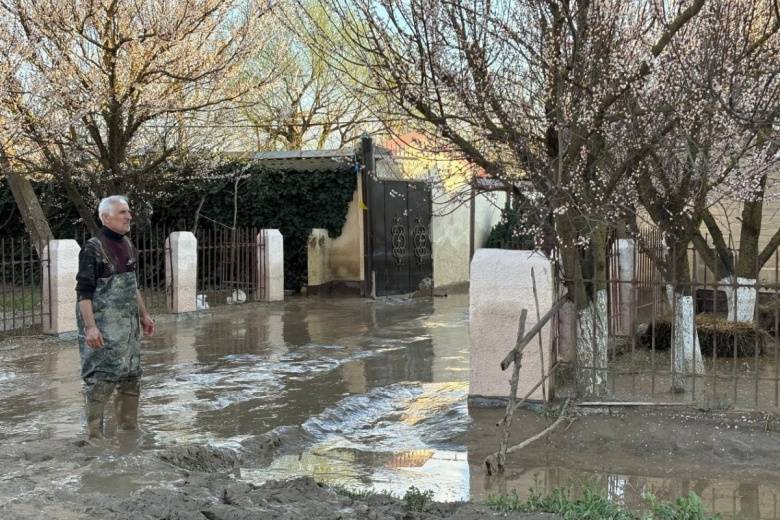
Residents of flooded areas of Dagestan are being urgently vaccinated; mass water poisoning has been reported in Kaspiysk
Emergency vaccination against viral hepatitis A has begun in flood-affected areas of Dagestan. The regional office of Rospotrebnadzor (Federal Service for Surveillance on Consumer Rights Protection and Human Wellbeing) announced this, emphasizing that the measure was introduced due to the increased risk of infection spread in emergency zones.
The vaccinations are planned to be administered first to employees in the food service and grocery retail sectors, food service workers in children's, social, educational, and medical institutions, sewerage system maintenance specialists, as well as emergency response workers and people housed in temporary accommodation centers.
Amid the aftermath of the disaster, cases of mass poisoning have also emerged: on the evening of April 4, more than 30 people sought medical attention in Kaspiysk, presumably due to poor-quality drinking water. The regional office of the Investigative Committee of the Russian Federation announced the launch of an investigation to establish "the circumstances and causes of the poisoning."