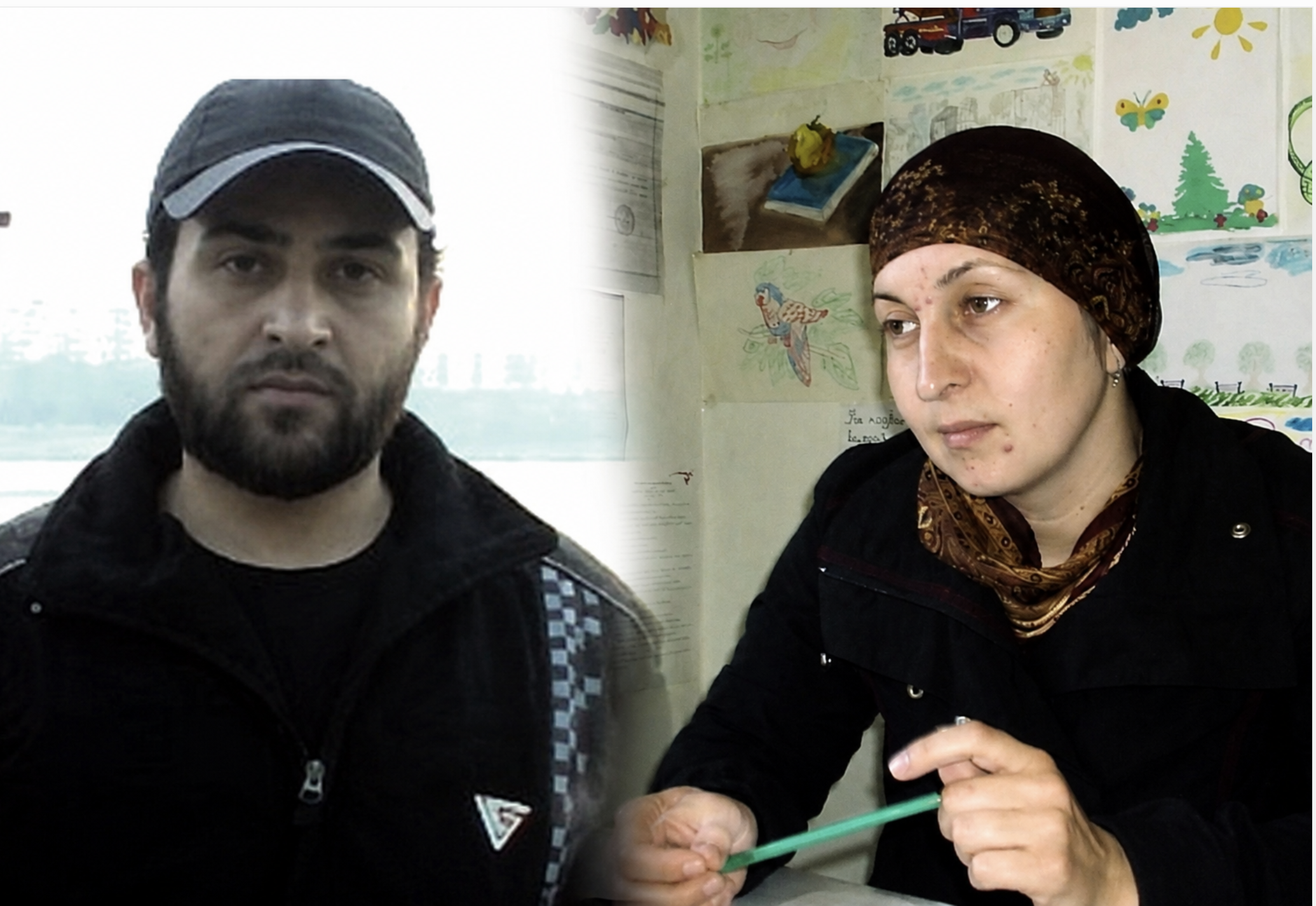
Seventeen years ago, Chechen human rights defender Zarema Sadulayeva and her husband were abducted and killed
Seventeen years ago, on Aug. 10, 2009, Chechen human rights defender Zarema Sadulayeva and her husband, Alik Dzhabrailov, were abducted from the office of their charity in Grozny. Their bodies were found the following day, in what remains one of the most prominent unsolved killings of civil society activists in Chechnya.
At about 2 p.m. on Aug. 10, five armed men entered the office of the Save the Generation charitable foundation in central Grozny. According to witnesses, two of the men identified themselves as members of the security services and said they needed to take Dzhabrailov in for questioning.
Sadulayeva, who headed the organization, refused to let her husband go alone and insisted on accompanying him. The men then took the couple's car keys and drove them away to an unknown location.
The following morning, their bodies, both bearing gunshot wounds, were discovered in the trunk of their car in the Chernorechye district on the outskirts of Grozny.
The Save the Generation foundation provided assistance to children who had been disabled by landmines and unexploded ordnance left behind during Russia's military campaigns in Chechnya. The organization offered medical treatment, prosthetic rehabilitation and psychological support, and worked in partnership with UNICEF. Dzhabrailov was also employed by the foundation.
In 2011, the Memorial Human Rights Centre said the main eyewitness to the abduction had identified, from photographs, one of the men involved in detaining the couple. According to Memorial, the suspect had even provided members of the organization with his mobile phone number.
Memorial said investigators had information about the suspected perpetrators but that the case never reached court.
"The circle of suspects has been identified, but there is no political will to bring the killers to justice," the organization said.
Amnesty International described the killings as further evidence of what it called a "climate of impunity" in Chechnya, where attacks on human rights defenders and humanitarian workers routinely went unpunished.
The abduction and murder of Sadulayeva and Dzhabrailov came less than a month after the killing of Memorial researcher Natalia Estemirova, who was abducted and shot dead on July 15, 2009.