
A large-scale investigation published by TRT in Russian lays bare the human cost of Russia's war in Ukraine for the Republic of North Ossetia—a small region with a population of approximately 700,000, where, according to figures presented at a meeting of an internal, interdepartmental, government commission, between 43,000 and 45,000 people took part in the fighting.
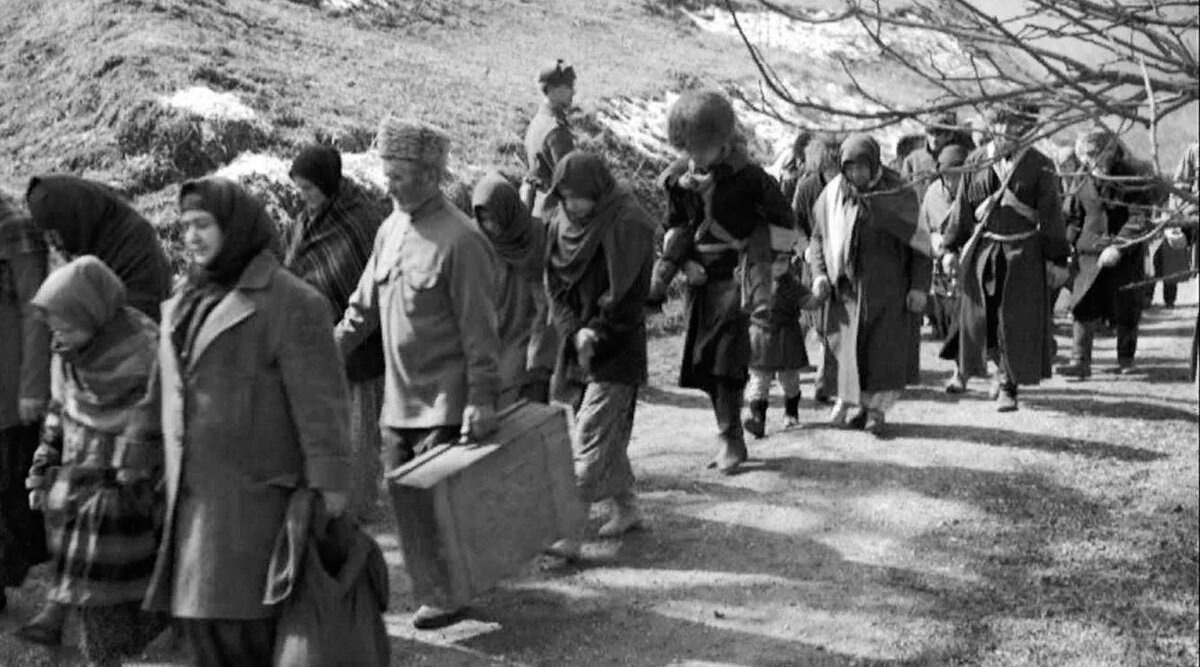
Today the Balkar people remember the Stalinist deportation that began 80 years ago. On March 8, 1944, 37 thousand people, mostly old people, women and children, were deported to Kazakhstan and Central Asia.
Almost 40% of displaced people did not return home after rehabilitation. There is not a single Balkar family that did not bury their loved ones on the way or while settling in Central Asia and Kazakhstan.
Officially, the deportation was justified by the alleged participation of representatives of the Balkar people in collaborationist formations that acted on the side of Nazi Germany during the Second World War.
The Balkars were allowed to return to their land only on March 28, 1957. This day is celebrated in Kabardino-Balkaria as Renaissance Day. Another 30 years later, a law on the rehabilitation of the repressed was adopted.