82 years ago, the Chechens and Ingush were forcibly deported
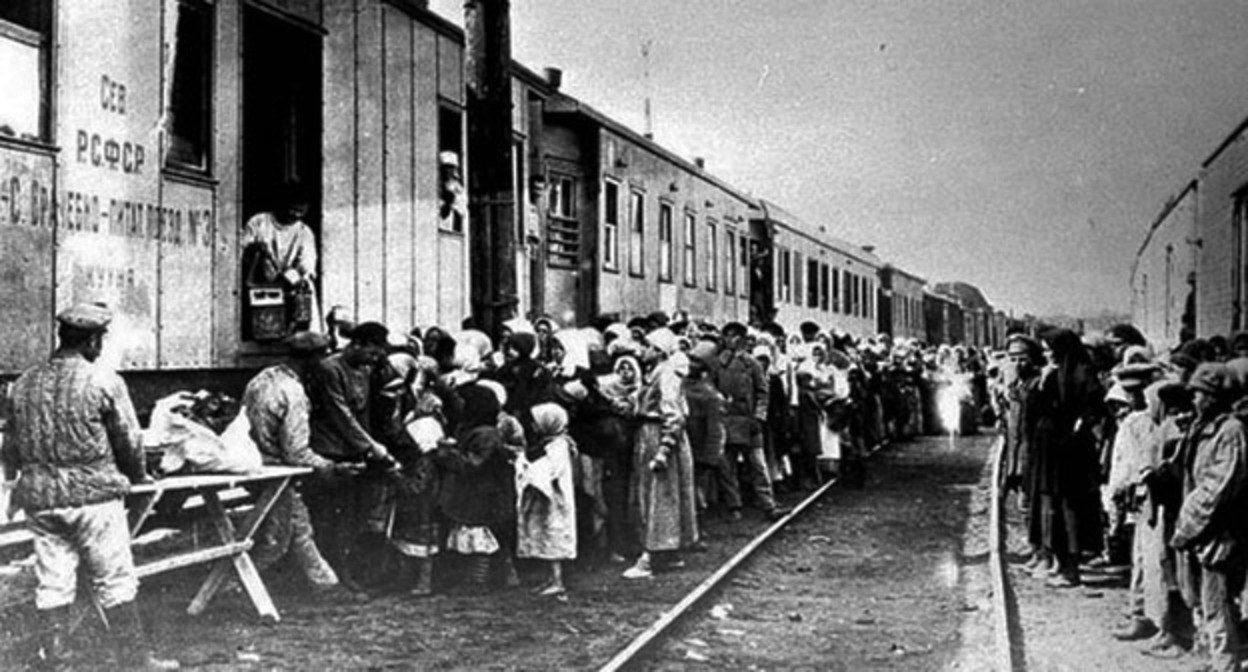
February 23, 1944, marked a dark date in the history of two peoples of the North Caucasus: on the orders of Joseph Stalin, the total deportation of the Chechens and Ingush began. Half a million people were forcibly uprooted from their homes and sent into exile in Central Asia and Siberia.
This act claimed the lives of more than a third of those deported. The Soviet government not only deprived them of their homes but also confiscated all their property and transferred parts of the Chechen-Ingush Autonomous Soviet Socialist Republic to neighboring regions. These territories, even after the return of the two peoples from exile and the restoration of the republic, were not returned and remained a source of interethnic tension for many decades. In 1992, this led to a bloody armed conflict in the Ingush Prigorodny District, which was annexed by North Ossetia.
During and during the first years of the deportation, between 20 and 35% of the population of the Chechen-Ingush ASSR, which was subsequently abolished, perished, according to various estimates. The high mortality rate was due to harsh climate conditions, grueling labor, and outbreaks of disease in the special settlements, beyond which travel was prohibited for more than 3 kilometers and which, in essence, became concentration camps.
Only in 1957 did the Soviet government recognize the illegality of the deportations, and the Chechen-Ingush ASSR was restored. This tragedy was just one of many similar ones experienced in the USSR: Koreans, Germans, Ingrian Finns, Karachays, Kalmyks, Balkars, Crimean Tatars, and Meskhetian Turks were also subjected to forced resettlement.