83 years ago, Soviet authorities deported nearly 70,000 Karachays
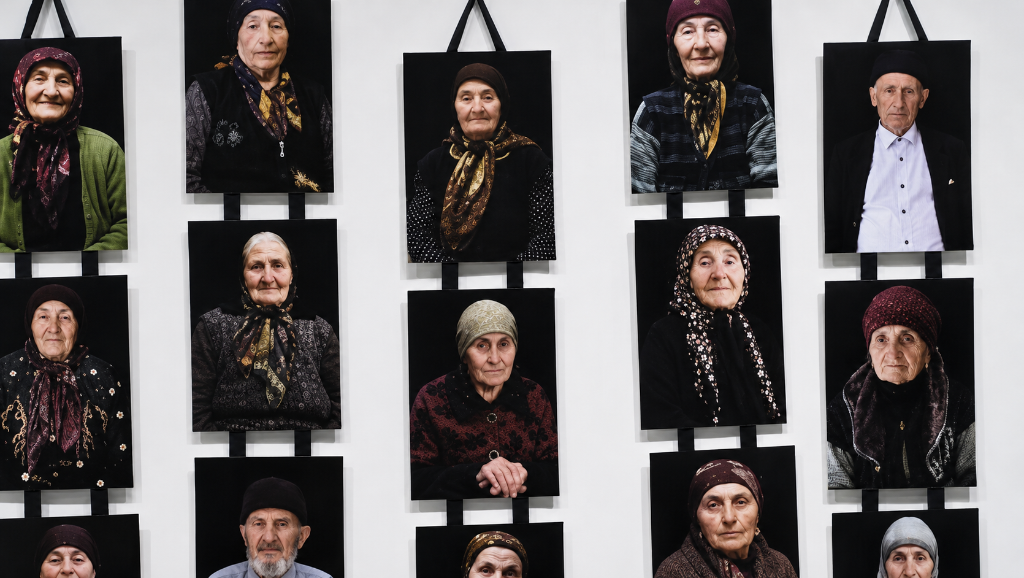
On November 2, the Karachay-Cherkess Republic commemorates the victims of the Stalin-era deportation of the Karachay people. On this day in 1943, Soviet authorities began the mass expulsion of Karachays to Kazakhstan and Central Asia. Within a few days, nearly 70,000 people were forced to leave their ancestral lands.
The operation took place from November 2 to 5. The deported population consisted primarily of women, children, and the elderly, as many men were serving in the Red Army at the time.
The Karachays were the first people of the North Caucasus to be subjected to total deportation. At the same time, the Soviet authorities abolished the Karachay Autonomous Oblast.
According to various estimates, between 68,614 and 69,267 people were forcibly removed. The displaced individuals were permitted to take only clothing and a small supply of food. In the areas of forced settlement, they faced severe shortages of housing and food, as well as disease and harsh climatic conditions. To survive, they resorted to eating roots, grass, oilcake, and frozen potatoes.
Archival data indicates that approximately 36,000 Karachays—including 22,000 children—perished during the first three years of exile. The total number of those who never returned from exile is estimated at 43,000.
It was not until 14 years later that the Karachays were permitted to return to their historical homeland. A decree issued on January 9, 1957, restored their national autonomy as part of the unified Karachay-Cherkessia. The first train carrying those returning from exile arrived in Cherkessk on May 3 of that same year. In a statement marking this commemorative date, the Head of Karachay-Cherkessia, Rashid Temrezov, urged the preservation of accounts from those who survived the deportation, emphasizing the importance of passing these stories down from generation to generation.
"Today, we are fortunate to still be able to speak with our elders who lived through those harsh ordeals. Their words embody a wisdom forged over decades—a wisdom that teaches us the importance of loving one’s home, working hard, and contributing to one’s country," Temrezov stated.
The head of the republic also expressed gratitude to members of other ethnic groups for the assistance they provided to the Karachay people during their exile and following their return home.
"We honor the memory of all those who perished during the years of deportation—those who never lived to experience the joy of returning home. While paying tribute to the victims of the deportation, we also bow before the strength of spirit of the Karachay people, and we recall with warmth and gratitude the support and aid extended by other peoples of our country—both in the steppes of Central Asia and after the return to our homeland," Temrezov emphasized.