Draft of Armenia’s New Constitution to Be Presented in November; Pashinyan Suggests Pressure on Opposition
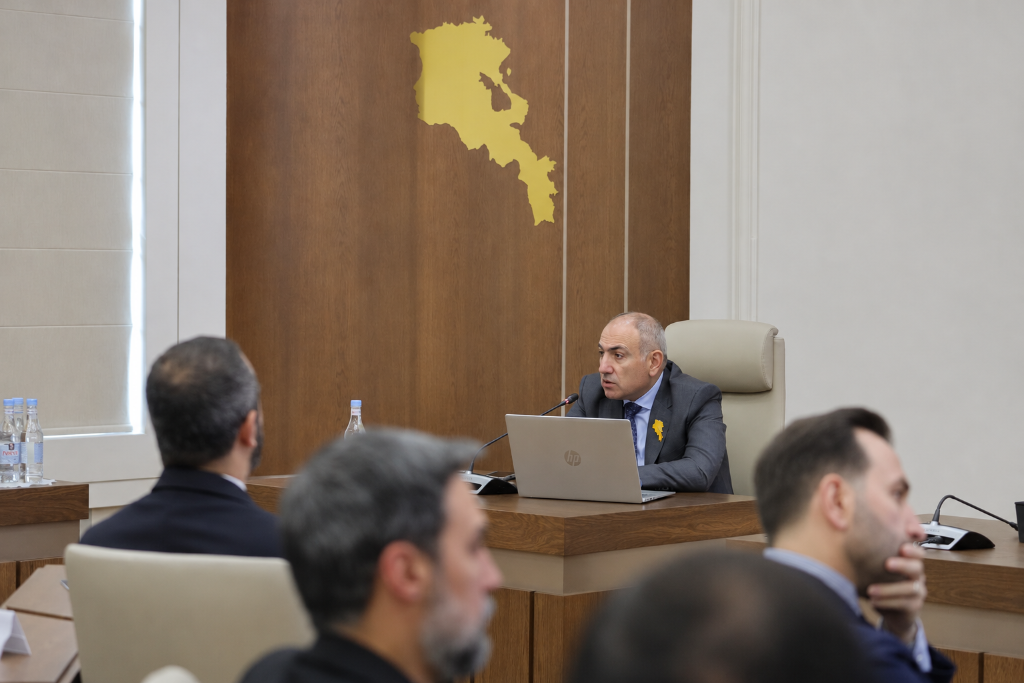
Armenian Prime Minister Nikol Pashinyan has announced that the government plans to publish a draft of a new Constitution in November. Following this, the authorities intend to hold public discussions, gather proposals from citizens, and continue consultations until the document has been sufficiently reviewed by society. The Prime Minister made these remarks during a meeting of parliamentary committees, where the 2027 state budget draft was being discussed, as reported by Armenpress.
Pashinyan linked the constitutional reform to the prospects of concluding a peace agreement with Azerbaijan. He stated that the authorities must determine whether the adoption of a new fundamental law would facilitate the signing of such a treaty and help ensure long-term peace.
The Prime Minister also suggested that the ruling majority might leverage public support for the reform to exert pressure on those who oppose the constitutional changes. According to Pashinyan, if the authorities conclude that the new Constitution contributes to a peaceful settlement, and the opposition opposes it, this would imply that the government’s opponents do not support peace with Azerbaijan.
"In that case, there will undoubtedly be public pressure exerted on the opposition, and I believe the ruling majority in Armenia should lead this pressure," the Prime Minister declared.
Kristine Vardanyan, a deputy from the opposition "Armenia" faction, pointed to a contradiction in Pashinyan’s position. She noted that the authorities simultaneously claim the opposition is weak, yet they are calling on the public to pressure that same opposition for refusing to support the constitutional reform.
"In reality, Pashinyan himself is surprised by the existence of an opposition that, despite all the pressure, refuses to reach an agreement with him," Vardanyan wrote on her Facebook page. The topic of constitutional reform and its connection to a peace agreement was also discussed in parliament last week. On October 28, opposition Deputy Speaker Aram Vardevanyan asked why a treaty with Azerbaijan has yet to be signed, given that the authorities claim peace has effectively been established. In response, Foreign Minister Ararat Mirzoyan asked whether the opposition would support amending the Constitution if doing so proved to be the final condition for concluding the agreement.
The following day, Deputy Speaker of Parliament Ruben Rubinyan rejected accusations that a so-called "Aliyev-style" Constitution was being drafted. He stated that any new Basic Law must be developed within Armenia and receive the approval of the citizens themselves. Rubinyan also suggested that the opposition should first review the draft, and if they find it unacceptable, they could then lead a campaign against its adoption in a referendum.
Armenia and Azerbaijan initialed a peace agreement on August 8, 2025. Baku is demanding changes to the Armenian Constitution, arguing that the reference to the Declaration of Independence in its preamble implies territorial claims against Azerbaijan. Yerevan rejects this interpretation. Pashinyan has previously stated that the new Basic Law should not contain any reference to the Declaration of Independence.