Abkhazia Loses Power After Grid Failure at Enguri Hydropower Plant, Following Georgia Blackouts
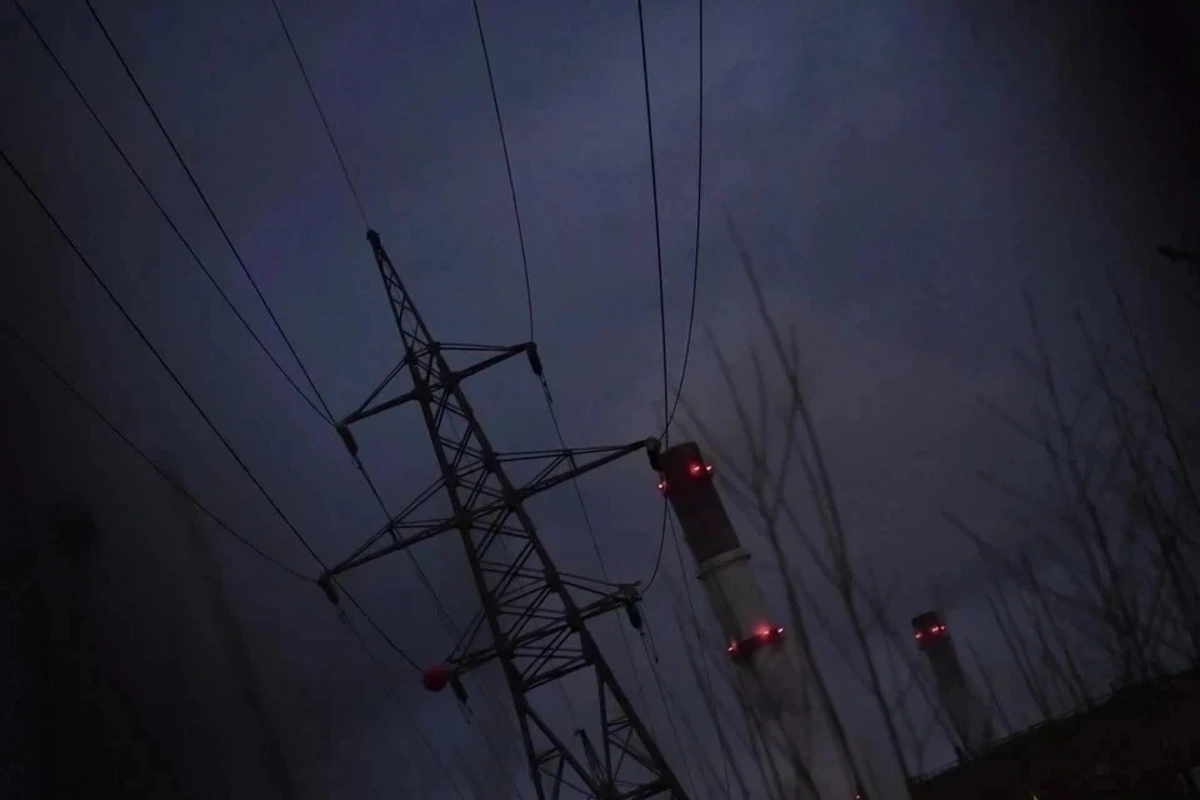
A system failure at the Enguri Hydropower Plant on the evening of August 5 left all of Abkhazia without electricity and simultaneously triggered widespread power outages across Georgia. For Georgia's electricity grid, the incident marks the third major blackout in less than two weeks.
Local energy authorities reported a nationwide power outage across Abkhazia. Water supplies were also disrupted in cities and districts after pumping systems lost electricity. Emergency crews began work to restore power shortly after the outage.
The disruption also affected Georgia. Large-scale power cuts were reported in Tbilisi and several other regions, while metro services and railway traffic were temporarily suspended. According to preliminary information, the failure occurred during scheduled testing of generating units at the Enguri Hydropower Plant.
The latest outage is the third major disruption to Georgia's electricity system in less than two weeks. During the previous blackout on July 25, the 500-kilovolt Imereti high-voltage transmission line went offline. At the time, Enguri Hydropower Plant Director Levan Mebonia said the failure had destabilized the national grid, triggering a cascading system outage.
Following the series of blackouts in July, Georgia's State Security Service launched an investigation, including under legislation covering disruptions to critical infrastructure.
For Abkhazia, such failures are particularly severe because the region depends almost entirely on electricity generated by the Enguri Hydropower Plant and the adjacent Vardnili hydropower cascade.
The energy sector remains one of the few areas in which Tbilisi and Sukhumi continue practical cooperation despite the Georgian-Abkhaz conflict. The Enguri dam and the Jvari reservoir are located in territory controlled by Tbilisi, while the plant's powerhouse is situated on the Abkhaz side of the administrative boundary line. The facility is operated with the participation of both sides.
Since the 1990s, electricity generated by the Enguri Hydropower Plant has been distributed under an informal arrangement, with roughly 40% allocated to Abkhazia and 60% to the rest of Georgia, although the actual shares vary depending on demand. In 2025, Abkhazia received about 43% of the electricity generated by the Enguri plant and the Vardnili cascade, or approximately 1.76 billion kilowatt-hours.
That volume is insufficient to meet the region's needs. Electricity consumption in Abkhazia reached approximately 2.48 billion kilowatt-hours in 2025, with the shortfall covered by imports from Russia, which supplied an additional 724 million kilowatt-hours.
Electricity shortages are most acute during the winter months, when water levels in the Jvari reservoir decline while demand rises. At the end of 2024, this led to rolling blackouts lasting up to nine to eleven hours a day. Sukhumi subsequently appealed to Moscow for assistance. Russia began emergency electricity supplies and, in February 2025, approved an additional export of 182 million kilowatt-hours worth 830 million rubles.
The situation stabilized temporarily in the spring of 2026. Increased water inflows allowed Abkhazia to halt electricity imports from Russia on March 31 and switch entirely to power generated by the Enguri Hydropower Plant.
The latest outage has once again highlighted how closely interconnected the electricity systems on both sides of the administrative boundary remain. A single major failure at the Enguri Hydropower Plant is capable of leaving both Abkhazia and large parts of Georgia without power at the same time.