An activist of the Muslim Unity Movement was convicted in Azerbaijan, claiming political persecution.
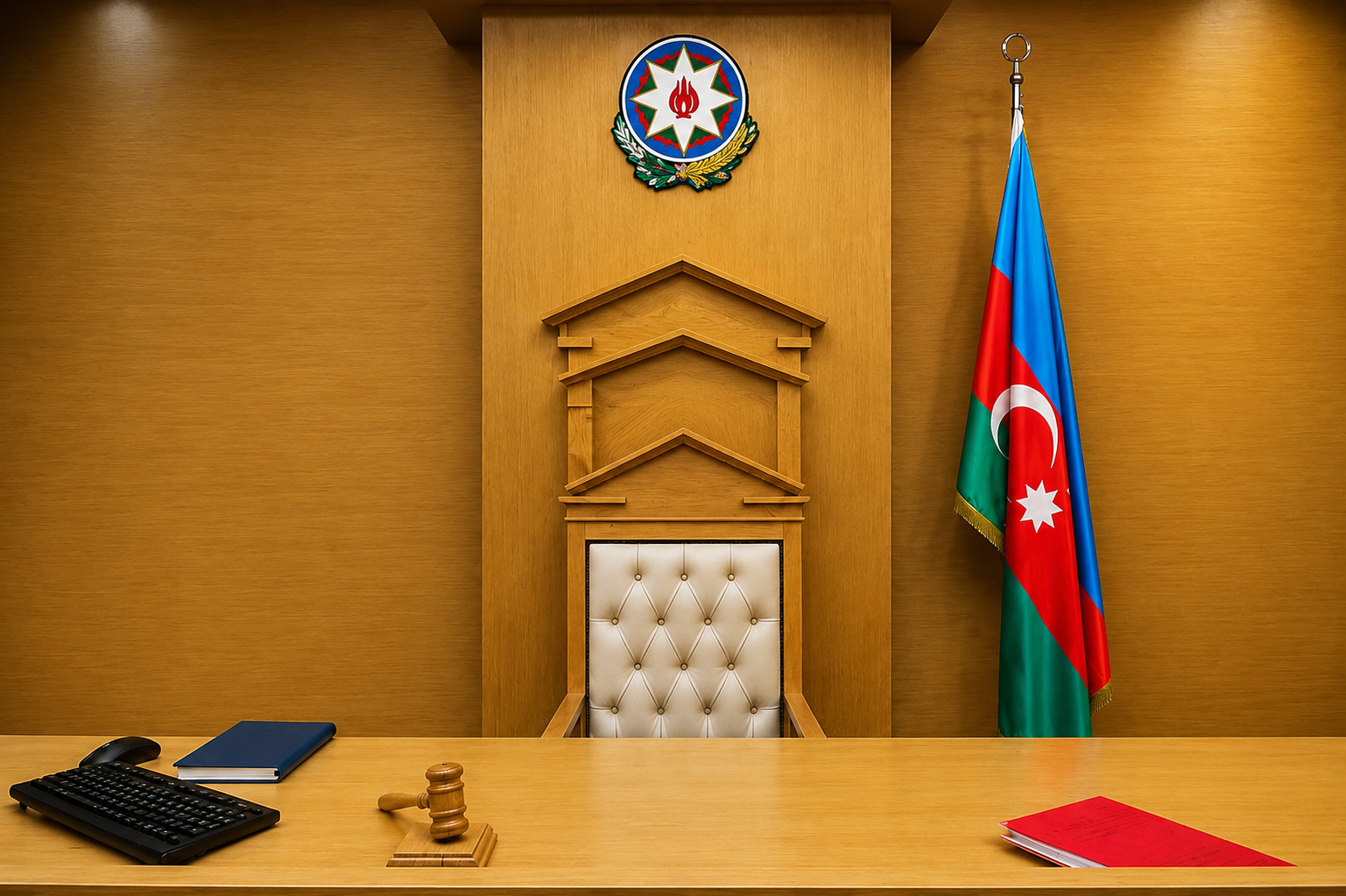
The Baku Court of Grave Crimes sentenced Elgiz Mammadov, a member of the Muslim Unity Movement (MUM), to three years in prison. He was found guilty of drug possession and trafficking. Mammadov denied the charges, claiming the case was politically motivated.
Many MUM members, including the movement's leader, Taleh Baghirzade, are already serving long prison terms. Human rights activists say the MUM is one of the main targets of persecution against religious activists in Azerbaijan.
Most of the convicted members of the movement were charged with similar drug-related charges. The activists and their supporters claim that such cases are fabricated for political reasons.
According to human rights activists, pressure on religious activists in Azerbaijan has intensified in recent years. A report published in May by Azerbaijani NGOs stated that the number of political prisoners in the country had risen to 328. Of these, 182 were classified as "believers"—primarily Islamic activists and religious figures.
Azerbaijani authorities deny the existence of political prisoners and insist that the criminal cases are not related to the defendants' religious or political activities.
A new wave of arrests of believers began after the events of March 2023, when the authorities announced the uncovering of an "Iranian spy network." At that time, security forces reported the detention of more than 30 people accused of anti-state activities. Among those detained were members of the Islamic Movement of Youth, theologians, and religious activists.
Human rights activists believe that cases against believers are often based on politically motivated charges, and the topic of "Iranian influence" is used by the authorities as a pretext to tighten control over the religious community and pressure independent Islamic movements.