Aliyev says Azerbaijan-U.S. ties are at their strongest in 34 years
Azerbaijani President Ilham Aliyev said relations between Azerbaijan and the United States have reached their highest level since the two countries established diplomatic ties 34 years ago.
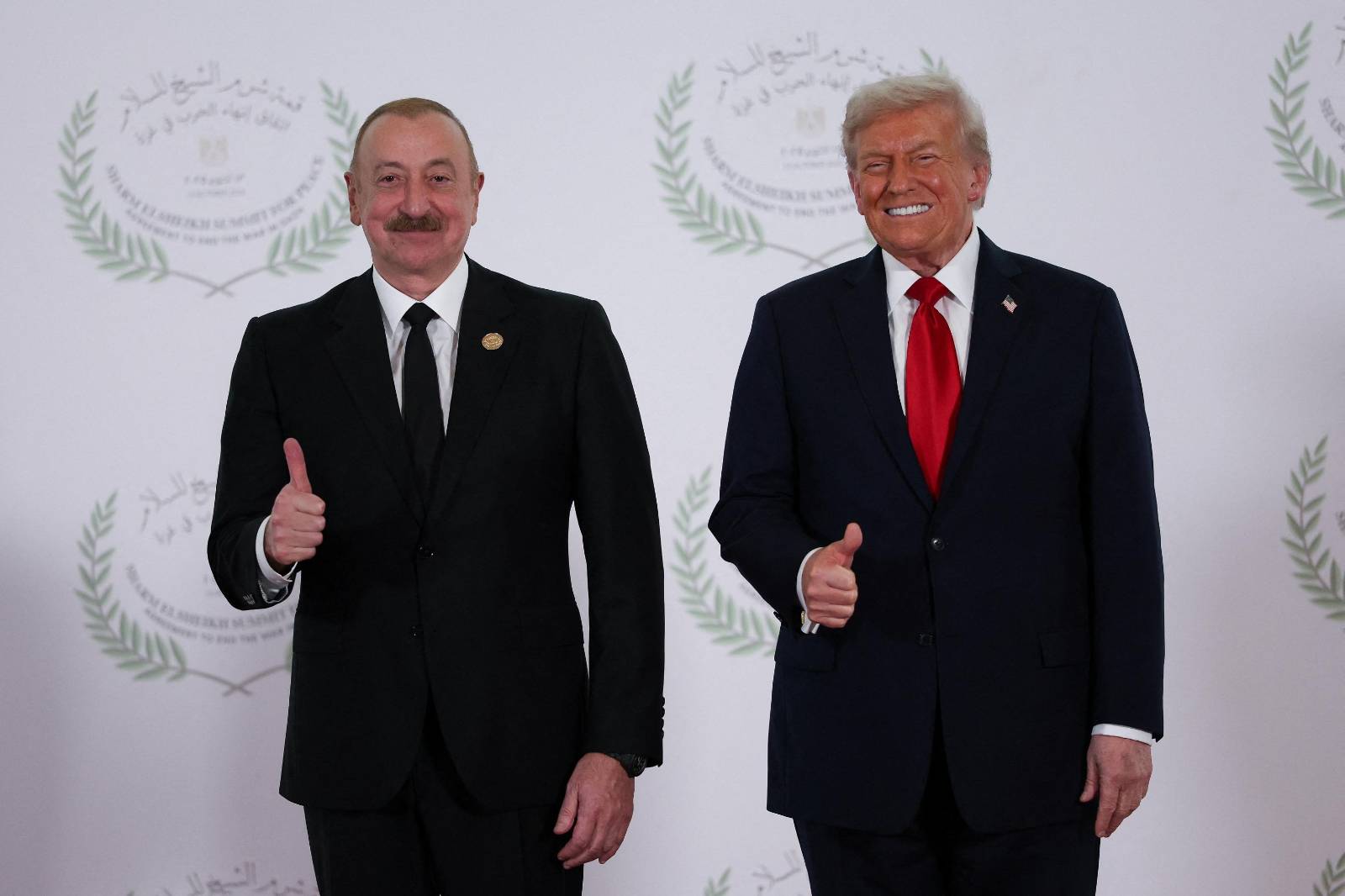
In a letter to U.S. President Donald Trump marking the anniversary of the Washington Summit, Aliyev described the Aug. 8, 2025 meeting as a turning point both for Armenian-Azerbaijani normalization and for bilateral relations between Baku and Washington.
According to the letter, Aliyev credited Trump with helping end a conflict that had lasted for three decades and said the summit had laid the foundation for lasting peace and reconciliation in the South Caucasus.
"The determination and unwavering political will you demonstrated made it possible to end a conflict that had persisted for three decades, opening the way for an era of reconciliation and mutually beneficial partnership between our peoples," Aliyev wrote.
Among the summit's main achievements, he cited the trilateral Joint Declaration, the initialling of a peace agreement between Armenia and Azerbaijan, and the joint appeal to dissolve the OSCE Minsk Group.
Aliyev also highlighted the Trump Route for International Peace and Prosperity (TRIPP), a transport corridor intended to connect mainland Azerbaijan with its Nakhchivan exclave through Armenian territory. He said the project would strengthen regional transport links, expand economic cooperation and enhance security across the South Caucasus.
According to Aliyev, the normalization process with Armenia has already produced tangible results. Over the past year, restrictions on cargo transportation from Azerbaijan to Armenia have been lifted, exports of Azerbaijani petroleum products to Armenia have begun, and Azerbaijan has become a transit route for grain and other goods from third countries.
"We are witnessing the real economic, commercial and broader benefits of peace," he said.
Aliyev also said relations with Washington had entered a new phase following the summit. He pointed to U.S. Vice President JD Vance's visit to Azerbaijan six months later and the signing of a Strategic Partnership Charter covering investment, trade, energy, transport, artificial intelligence and security.
The Azerbaijani president also welcomed Trump's decision to extend the suspension of Section 907 of the U.S. Freedom Support Act, a restriction that Baku has long described as discriminatory.
"We can proudly state that Azerbaijani-American relations have now reached the highest point in the 34-year history of diplomatic relations between our countries," Aliyev said.
On the eve of the summit's anniversary, Aliyev and Trump also held a telephone conversation. According to the Azerbaijani presidential administration, the two leaders noted that no incidents capable of derailing the peace process between Armenia and Azerbaijan had occurred over the past year and discussed progress on the TRIPP project.
The presidential administration said transport infrastructure on Azerbaijan's side of the route was nearing completion. Aliyev and Trump also expressed hope that construction of the Armenian section of the TRIPP infrastructure would begin in the near future.
Aliyev's remarks on improving ties with Washington come as Azerbaijan continues to face international criticism over its human rights record.
According to the Union for the Freedom of Political Prisoners of Azerbaijan, around 400 political prisoners—including journalists, bloggers, civil society activists, human rights defenders and religious believers—are currently being held in the country.
In the 2025 World Press Freedom Index published by Reporters Without Borders (RSF), Azerbaijan ranked 171st out of 180 countries and territories, placing it among the world's worst performers for press freedom.
Freedom House classifies Azerbaijan as "Not Free" in its Freedom in the World report, assigning the country a Global Freedom Score of 6 out of 100. The organization cites persistent pressure on civil society, independent media and political opponents.