Drone attacks disrupt airports and oil terminal in southern Russia
Mass drone attacks continued across southern Russia on Aug. 14, affecting Krasnodar and Stavropol regions and the Rostov region.
In Novorossiysk, air-raid alerts were issued repeatedly throughout the day, and oil exports through the Sheskharis terminal were suspended following the attacks. Airports in Krasnodar Krai also temporarily halted arrivals and departures several times because of the drone threat, causing hours-long delays to dozens of flights.
Russia's Defence Ministry said that 553 drones had been intercepted overnight over Russian regions and the Black and Azov seas. Among the southern regions named by the ministry were Krasnodar and Stavropol regions and the Rostov region. The reported number of drones destroyed or intercepted could not be independently verified.
In the Rostov region, Governor Yury Slyusar said about 20 drones had been destroyed over the town of Kamensk-Shakhtinsky and Kamensky district. No casualties or damage were reported initially.
The attack on Stavropol Krai was reported only in the Russian Defence Ministry's statement. Regional authorities did not report any casualties, fires or infrastructure damage. It was also unclear over which parts of the region the drones had been intercepted or what their possible targets were.
The longest period of heightened air-raid activity was reported along the Black Sea coast of Krasnodar Krai. In Novorossiysk, sirens sounded several times on Aug. 14 — in the morning, during the day and again in the evening. Authorities urged residents to stay indoors and away from windows.
One of the most significant consequences was the disruption of operations at the Sheskharis oil terminal in Novorossiysk. Reuters, citing three sources, reported that the terminal had completely halted oil export operations after the drone attack. Loading crude onto tankers was suspended, and one tanker left the port earlier than scheduled. The terminal also stopped accepting incoming oil after its storage tanks became full.
About 700,000 barrels of Russian and Kazakh oil pass through Sheskharis each day, including Urals, KEBCO and Siberian Light grades. There is currently no reliable information confirming a direct drone strike on the terminal or detailing any damage to the facility.
The latest attacks came two days after a major strike on Novorossiysk and other cities along the Black Sea coast. Following the Aug. 12 attack, two major grain terminals in Novorossiysk were damaged, and a third subsequently suspended operations. According to the latest figures from the city authorities, 185 residential buildings have now been damaged, while eight private homes were completely destroyed.
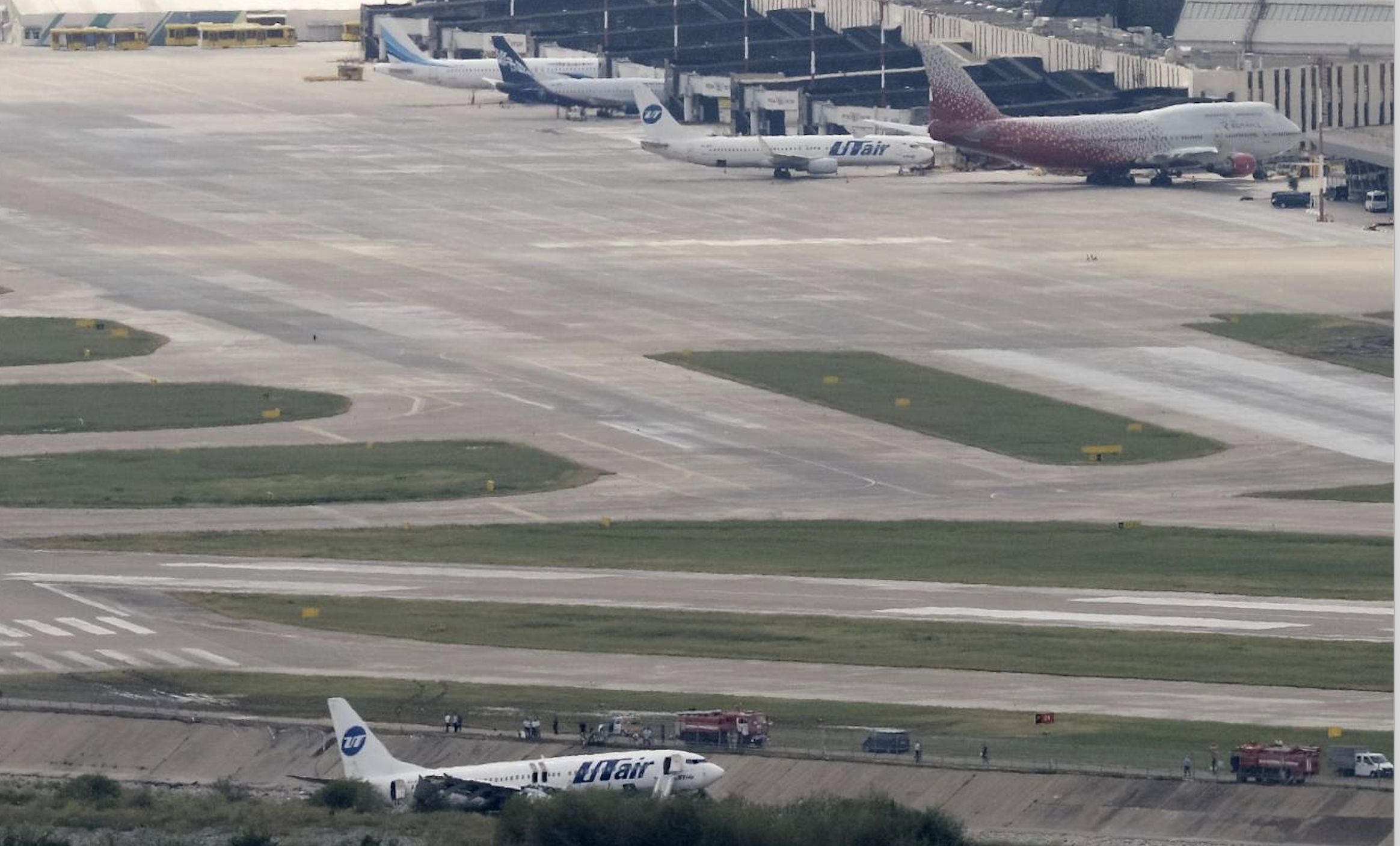
The air-raid alerts also severely disrupted civil aviation. On the morning of Aug. 14, Russia's Federal Air Transport Agency temporarily suspended arrivals and departures at the airports of Krasnodar and Gelendzhik as a security measure.
The situation was particularly difficult at Sochi airport, where operations were restricted several times during the day. Although flights resumed after each restriction was lifted, accumulated delays continued.
By midday, 37 flights had reportedly been delayed by more than 10 hours. By evening, the number had risen to 51, with some departures pushed back to Aug. 15. Passengers continued to face the effects of repeated airspace closures even after the airport resumed normal operations.
Airports in the North Caucasus — Mineralnye Vody, Stavropol, Grozny, Makhachkala, Vladikavkaz, Nalchik and Magas — were still operating at the time of the latest reports. There were no confirmed reports of widespread disruption at those airports directly caused by the Aug. 14 attacks.
Drone attacks on southern Russia have increased significantly in recent weeks. Airports in Krasnodar Krai have been particularly frequently affected. Even after flight restrictions are lifted, airlines can require several hours to restore their schedules, meaning the effects of air-raid alerts can last considerably longer than the attacks themselves.