Azerbaijani NGOs urge Pezeshkian to provide education in the Azerbaijani language, while offering plenty of praise
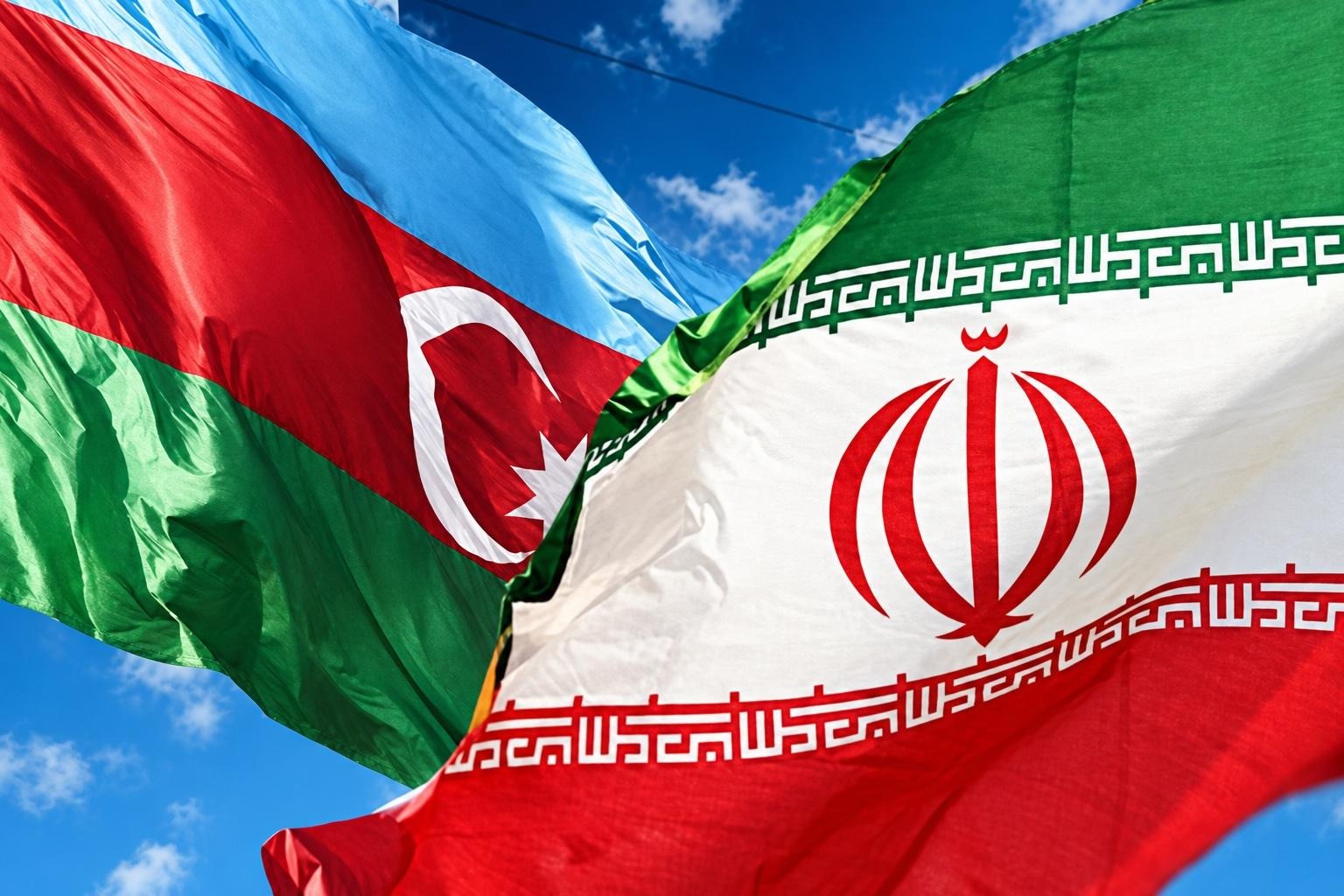
Fifty-five non-governmental organizations (NGOs) in Azerbaijan have sent an open letter to Iranian President Masoud Pezeshkian, following criticism from Azerbaijan’s Ministry of Science and Education regarding a statement made by Iran’s Minister of Science, Research and Technology, Hossein Simaei-Sarraf.
The Iranian minister had encouraged female Azerbaijani students to pursue their studies at universities in Iran. Baku interpreted these remarks as interference in Azerbaijan’s internal affairs, while also pointing out the absence of schools in Iran that offer instruction in the Azerbaijani language.
"Meanwhile, approximately 40 million residents of Iran are ethnic Azerbaijanis who, for decades, have been denied the right to receive an education in their native language. Instead of interfering in the internal affairs of Azerbaijan, Iran’s Minister of Science, Research and Technology—and others in Iran who raise this topic—should focus on addressing these issues and taking steps to rectify this unprecedented injustice, which has persisted for decades," the Ministry stated.
In their appeal to Pezeshkian, the NGO representatives proposed the implementation of systematic instruction in the Azerbaijani language within schools, the establishment of educational institutions where the language is used for teaching, the training of educators, and the development of curricula and educational materials. This was reported by the Azerbaijani news agency APA.
"We highly value your visit to Khankendi and Shusha—territories liberated from occupation—as well as the importance you place on good-neighborly relations between Azerbaijan and the Islamic Republic of Iran. We also appreciate the relationship you have cultivated with the President of the Republic of Azerbaijan, Ilham Aliyev—a relationship built on mutual respect, trust, and sincerity," the letter reads. The signatories also expressed their appreciation for Pezeshkian’s medical career and his public commitment to the Azerbaijani language.
"The fact that, as a physician, you have operated on dozens of Azerbaijani patients—treating them with great care and attention—combined with your dedication to serving others and your civic stance as a public figure, has only deepened the Azerbaijani people’s affection for you," the authors of the appeal stated.
They highlighted that the Iranian president recites poetry in Azerbaijani, draws upon proverbs, and uses the language when communicating with his family. According to the NGO representatives, this demonstrates that, for Pezeshkian, the language is "not merely a means of communication, but an integral part of his spiritual identity, historical memory, and national heritage."
The authors of the letter expressed their readiness to support the development of educational, scientific, and cultural cooperation between the two countries. They voiced their hope that, under Pezeshkian’s presidency, "historic steps taken in this direction will leave an indelible mark on the memories of millions of Azerbaijanis and be remembered with gratitude forever."
In closing, the signatories referenced the poet Mohammad-Hossein Shahriar—whose work, they noted, Pezeshkian engages with "with great love and respect"—and expressed their confidence that the president would "spare no worthy effort" to bring this initiative to fruition.
Among the signatories are the National NGO Forum of Azerbaijan, the "Simurg" Azerbaijani Cultural Association, the Eurasia-Press Foundation, the "Ireli" Public Union, and the Azerbaijan Literature Foundation, as well as various organizations focused on human rights, journalism, culture, and national heritage. A full list of the 55 NGOs and their representatives was published by the Trend news agency.