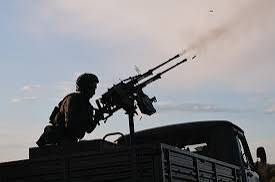
Kuban and the Don region fend off a nighttime drone raid; Ukraine targeted from Millerovo and Crimea
Starting on the evening of October 26, a "drone threat" alert was issued across the Krasnodar Territory (Kuban):
from 8:23 PM, it was in effect for Gelendzhik, Anapa, Novorossiysk, and the Abinsky, Krymsky, and Temryuksky districts; from 11:22 PM, it extended to the Tuapsinsky district, Sochi, and the Mostovsky district. By Tuesday morning, the situation along the Black Sea coast of the Kuban had normalized, and emergency services returned to their standard operating mode.
Amid the evening alerts, restrictions were imposed at local airports. Specifically, the Gelendzhik airport implemented additional limitations on arrivals and departures at 8:26 PM (under its current NOTAM, the airport typically operates only between 8:30 AM and 8:00 PM). Sochi Airport also imposed restrictions after midnight. Both airports lifted these measures simultaneously at 2:23 AM and resumed normal operations.
During the night of October 27, Sochi Mayor Andrey Proshunin announced a drone attack threat, which lasted for 34 minutes.
In addition to the Kuban, the Rostov Region and occupied Crimea were also subjected to drone raids. The governor of the Rostov Region did not comment on the nighttime attack.
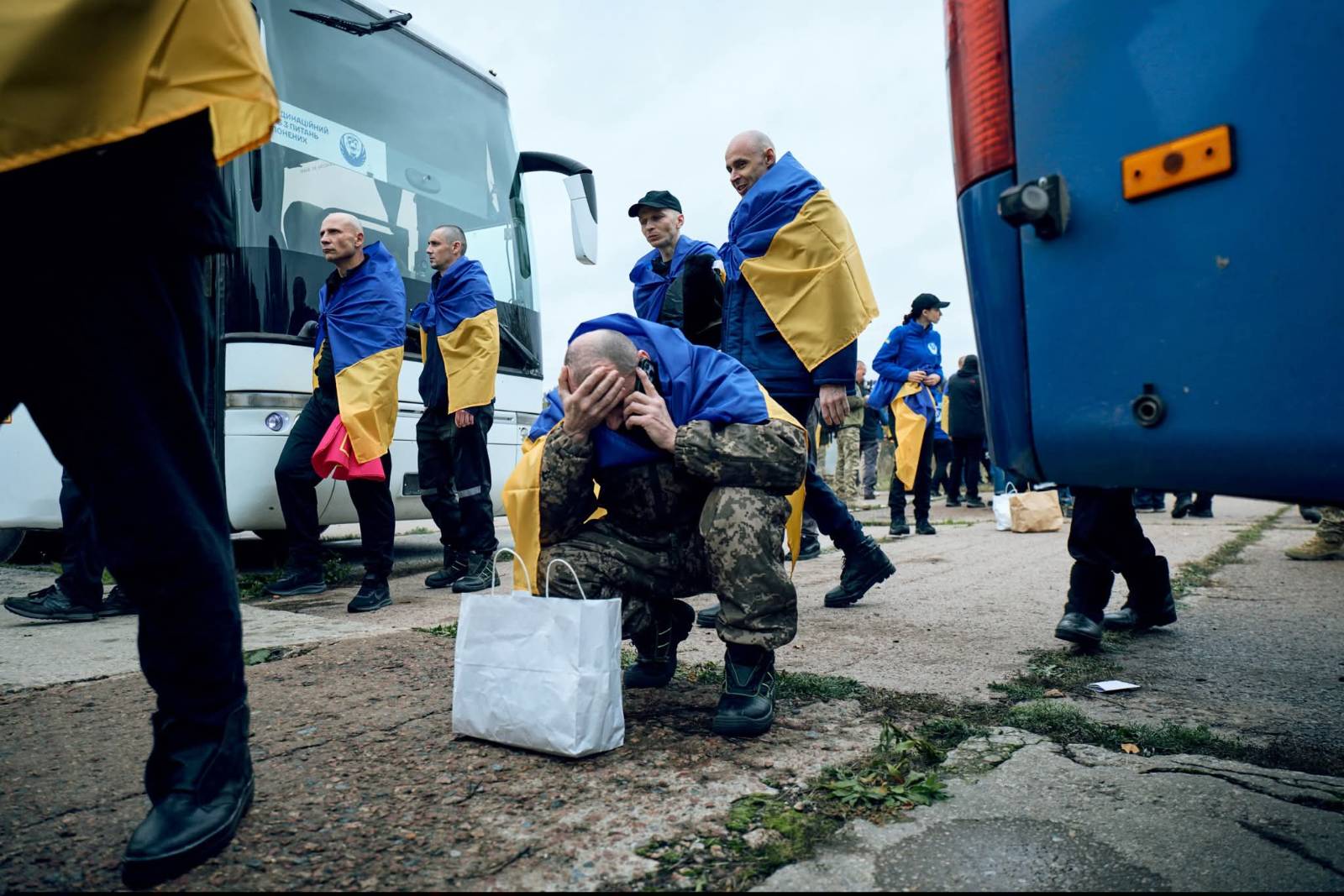
Meanwhile, the Ukrainian side reported that the Russian military had used ballistic missiles and 280 attack drones in the overnight assault, with the capital being the primary target.
Both sides reported casualties and injuries.